

What Are the Common Uses of a Vertical Shaft Engine?
Many homeowners do not think about engine orientation until a mower, pressure washer, or outdoor machine stops working. For people in the Quad Cities, where lawn care, garden work, driveway cleaning, and seasonal home maintenance are common, knowing the difference between engine types can make replacement decisions much easier.
A vertical shaft engine is designed with the crankshaft pointing downward. This setup works best when the part being powered sits below the engine and needs to spin on a vertical axis. That is why vertical shaft engines are often used in lawn mowers, pressure washers, garden tools, and some utility equipment.
Lawn Mowers and Residential Yard Equipment
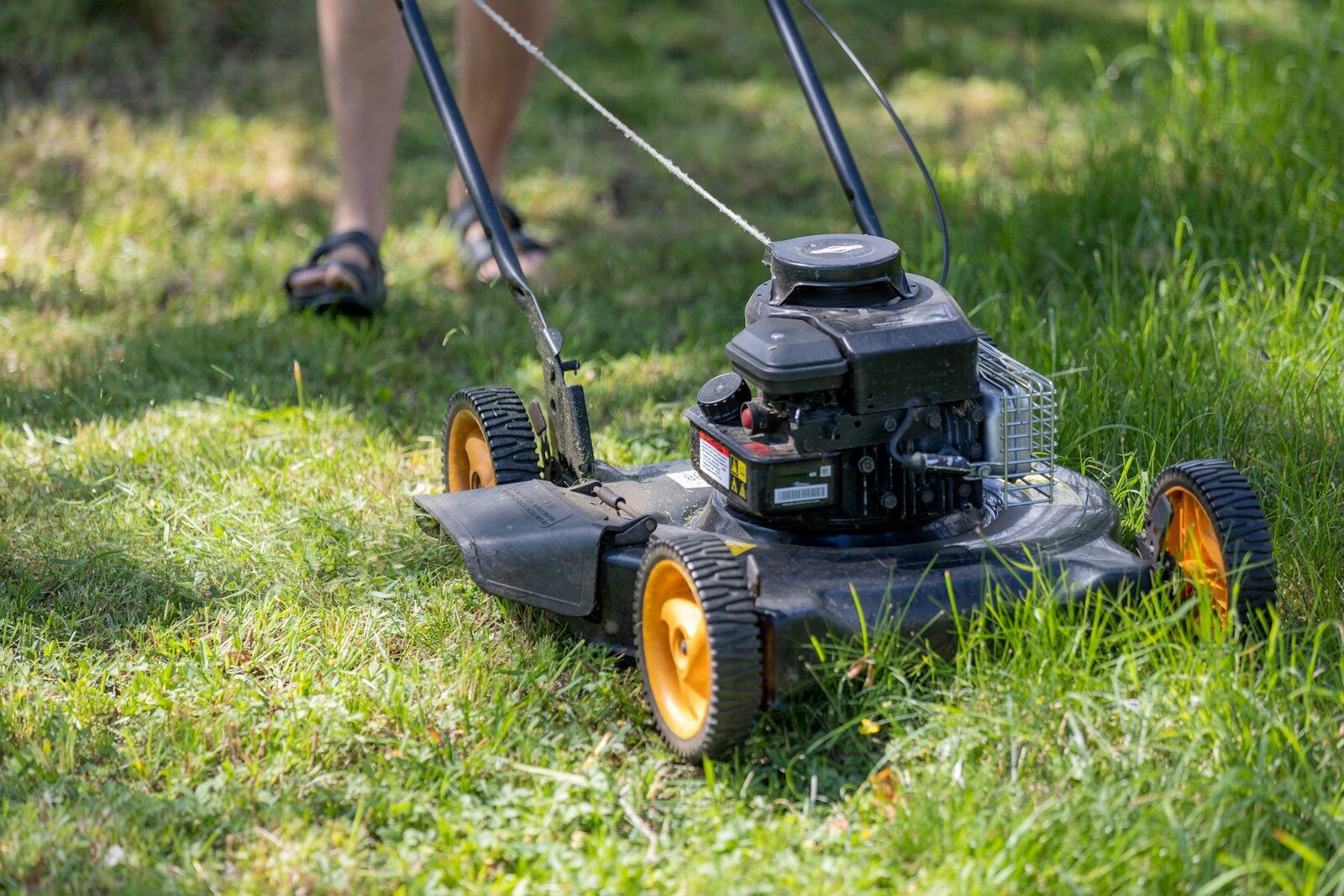
Photo by Carl Tronders on UnSplash
Push mowers, riding mowers, and many other residential yard machines use vertical shaft engines because the layout is simple and practical. Since the crankshaft points downward, it can connect directly to the blade under the mower deck. This allows the blade to spin in the right direction without extra parts like a gearbox or transfer system.
This design is especially useful for homeowners who want a reliable replacement engine without making the setup too complicated. When checking engine size, shaft type, and mower compatibility, vertical shaft engines from Jono & Johno, Mower Spares Direct, and Green Acres Mowers can provide practical replacement options for walk-behind mowers, ride-on mowers, and similar yard equipment. A properly matched engine can make the mower easier to maintain, smoother to operate, and more dependable during regular yard work. It can also help reduce unnecessary repairs caused by poor engine fit or incorrect shaft placement. Taking time to compare the right specifications before buying can make the replacement process much easier.
For homeowners in areas like Davenport, Bettendorf, Moline, and Rock Island, outdoor equipment often gets heavy use during spring and summer. Grass grows quickly, storms leave debris behind, and regular yard care becomes part of the weekly routine. A mower with the wrong engine fit may still run for a while, but it can create vibration, poor cutting performance, or early wear.
Riding Mowers and Zero-Turn Mowers
Riding mowers and zero-turn mowers also rely on vertical shaft engines. In these machines, the engine usually sits on top of the frame while the crankshaft points down toward the cutting system.
This setup keeps the machine compact and stable. It also gives larger mowers the power they need for wider cutting decks and longer mowing sessions. For homeowners with larger yards or small property managers who maintain several lawns, choosing the right engine matters because these machines are used more often than basic push mowers.
Zero-turn mowers often need more power because they support both cutting and movement. Some models use the engine to help power hydraulic drive systems, which makes engine compatibility even more important.
Pressure Washers and Outdoor Cleaning Tools
Vertical shaft engines are also common in pressure washers. The pump usually sits below the engine and connects to the crankshaft. This direct setup helps keep the pressure washer compact and easier to move.
Pressure washers are useful for cleaning driveways, patios, sidewalks, siding, and garage floors. In the Quad Cities, they can be especially helpful after winter, when salt, dirt, and grime build up around the home. A steady engine helps the pump maintain pressure, which makes cleaning faster and more effective.
Homeowners who use gas-powered lawn and garden equipment should also keep maintenance in mind. The EPA’s guidance on lawn and garden equipment explains that proper equipment care can help reduce pollution and improve performance.
Garden Tillers and Cultivators
Some garden tillers and cultivators also use vertical shaft engines. These machines help prepare soil, mix compost, and maintain garden beds. For people who grow vegetables, flowers, or herbs, a working tiller can make seasonal planting much easier.
The engine powers the tine system that breaks and turns the soil. Some tillers use a more complex setup than a mower, but the vertical engine still helps keep the machine smaller and easier to handle.
Water Pumps and Utility Equipment
Vertical shaft engines can also be found in some water pumps and utility machines. These may be used for irrigation, drainage, or moving water from one area to another.
This can be helpful for properties that deal with heavy rain, low spots in the yard, or garden watering needs. A small pump with a properly matched vertical shaft engine can be a practical tool for homeowners who want to manage outdoor water issues without using larger equipment.
What to Check Before Buying a Replacement
Before buying a replacement vertical shaft engine, check the original engine’s data plate. Important details include shaft diameter, shaft length, bolt pattern, horsepower, and fuel type. Even a small difference can stop the new engine from fitting correctly.
It also helps to think about how often the equipment is used. A homeowner mowing a small yard may not need the same engine strength as a contractor or property manager. Matching the engine to the task helps the machine last longer and work more safely.
For more local home and outdoor maintenance ideas, readers can also browse QuadCities.com for community updates and homeowner-related content.
Final Thoughts
Vertical shaft engines are most commonly used in machines where the working part sits below the engine. Lawn mowers are the main example, but pressure washers, tillers, water pumps, and some utility tools also use this design.
For Quad Cities homeowners, understanding this engine type can make equipment repairs and replacements less confusing. The right engine should match the machine, fit the original specifications, and support the way the equipment is used. A little planning before buying can help prevent costly mistakes and keep outdoor equipment working through the busy seasons.











Leave a Reply
You must be logged in to post a comment.