

Why Are Davenport’s Twenty-Somethings Quietly Snubbing the NFL for High-Stakes Pixels in 2026?
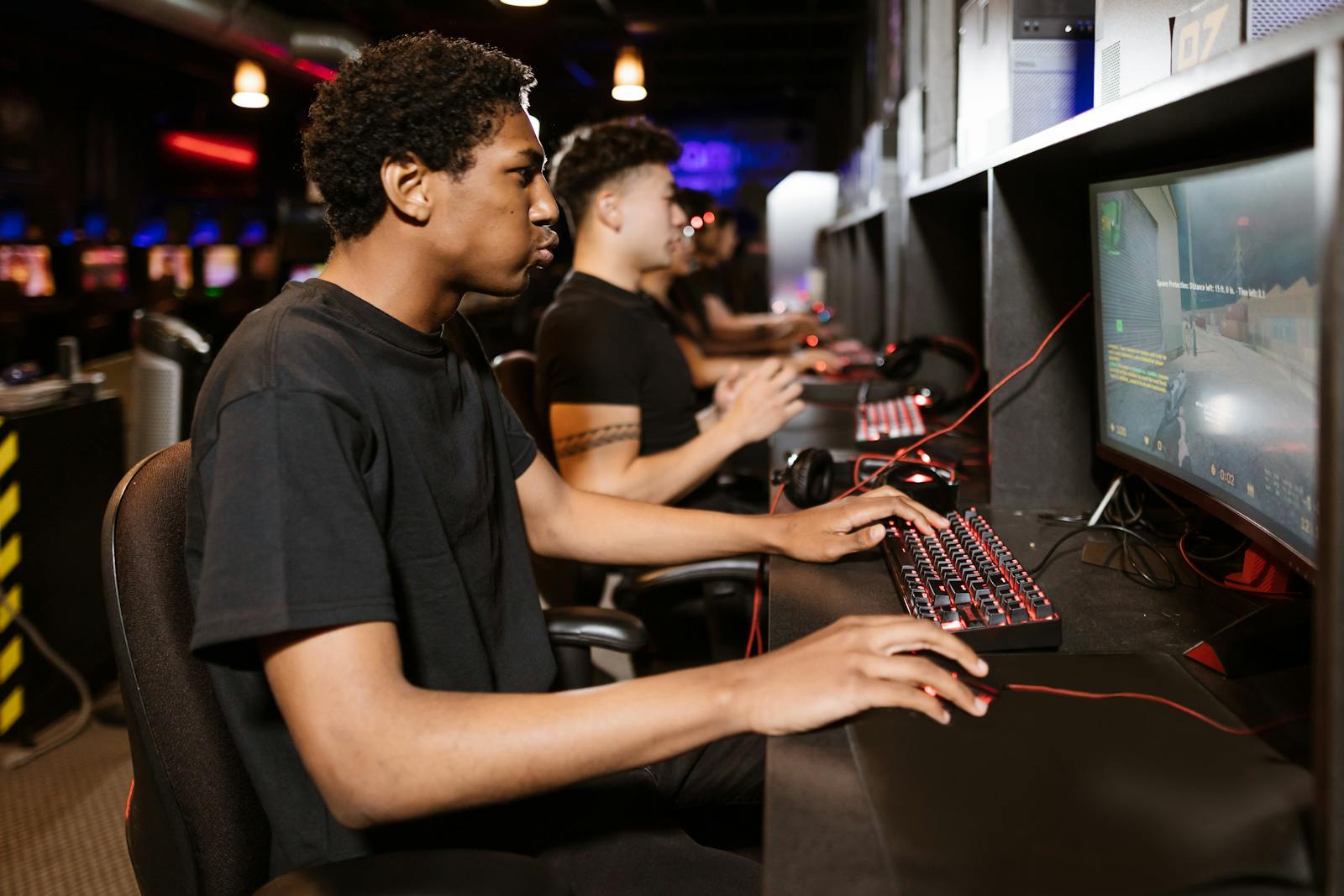
Photo by RDNE Stock project on Pexels
Davenport is changing. Not in dramatic, headline-grabbing ways, but if you pay close attention to the locals in their twenties and thirties, something subtle is happening. The NFL, long a centerpiece of American weekend culture, is losing its grip on this age group.
Friday nights that once revolved around game-day prep now revolve around tournament streams and controller sessions. The flat screens that used to carry football are increasingly carrying CS2 matches, Valorant finals, and live esports events.
Alongside that entertainment shift, competitive betting is also growing in this demographic, and it’s not limited to traditional sportsbooks. According to a recently published guide on how to bet on CS2 professionally, modern betting platforms now include statistical layers covering individual player performance, map-by-map team records, and head-to-head historical data. That infrastructure has made esports betting feel legitimate and engaging, drawing people in.
But what exactly is driving this shift in a mid-sized Midwestern city? That’s worth digging into!
The NFL Is Thriving, So What’s the Problem?
Before going further, it’s important to be clear: the NFL is not in trouble. The Super Bowl still draws over 120 million viewers nationally. TV rights deals are worth billions. Stadiums sell out. The league’s commercial dominance is as strong as ever, and there’s no credible argument that football is dying as a sport or a business.
The real question is narrower and more specific. Within the 20-29 age bracket, the relationship with the NFL is quietly changing. Not collapsing, changing. That distinction matters.
When younger adults in cities like Davenport start spending their leisure hours differently, it doesn’t make news the way a stadium closure would. It just shows up in viewership demographics, in the topics people talk about at bars, and in what’s actually running on someone’s second monitor while they work from home.
A Generation That Grew Up Online
Gen Z and younger millennials in Davenport, like their peers everywhere, did not grow up with television as their primary entertainment medium. They grew up with smartphones, gaming platforms, YouTube, and Twitch. The social spaces that shaped them were largely digital.
That framing matters because it recontextualizes how this generation experiences competition and community.
For them, a team-based online match can carry the same emotional weight as a playoff game does for an older fan. The friendships built around gaming are real. The rivalries are real. The investment, emotional and increasingly financial, is real. When a generation’s earliest memories of competition involve pixels and headsets rather than bleachers and jerseys, the gravitational pull of traditional sports naturally weakens over time, without anyone consciously choosing to abandon them.
What High-Stakes Pixels Mean
For readers who haven’t spent much time in this world, esports can sound abstract. In practice, it looks like this: professional teams compete in games like CS2 (Counter-Strike 2), League of Legends, and Valorant in front of live audiences, both in arenas and via online streams on platforms like Twitch and YouTube.
These events feature production budgets, commentators, post-match analysis desks, and dedicated fanbases that follow specific players and organizations, just as traditional sports fans follow athletes and franchises.
The high-stakes element is literal. Major CS2 tournaments offer prize pools in the millions. Teams compete across international circuits with regular seasons, playoffs, and championship events.
The structure mirrors professional sports leagues closely enough that the emotional experience of rooting for a team, tracking standings, and debating strategy translates almost perfectly.
What’s different is that the access point is entirely digital. You don’t need a cable package or a stadium ticket. You need a screen and an internet connection, which every twenty-something in Davenport already has.
The NFL’s Young Viewer Problem in Numbers
The national data on this is consistent and worth laying out plainly. Gen Z is measurably less likely to identify as a sports fan than any previous generation. Roughly a third of Gen Z adults report not watching live sports at all.
These aren’t fringe numbers. They represent a structural shift in how young adults allocate their attention.
A full NFL game runs three-plus hours, includes significant commercial breaks, and requires either a television or a paid streaming subscription. For someone whose entertainment habits were shaped by on-demand content and short-form video, that format demands a patience and commitment that feel increasingly foreign. The highlights are always available. The game itself feels optional.
Why Davenport Is an Interesting Place to Watch This Shift
Davenport isn’t just a generic stand-in for a mid-sized American city. It has a specific sports culture that makes this shift more noticeable than it might be elsewhere.
The city has historically been rooted in local athletic identity: the River Bandits baseball team has been a community fixture for decades, high school football draws genuine Friday night crowds, and the Quad Cities region takes its sports seriously at every level. That baseline makes the divergence among younger residents more visible.
At the same time, Davenport has a growing young professional presence, particularly around the developing warehouse district.
St. Ambrose University and Palmer College of Chiropractic both bring student and graduate populations into the city. These are people who are educated, tech-comfortable, and economically active, exactly the demographic that platforms, advertisers, and leagues are all trying to reach. The fact that a city with strong traditional sports roots is showing this pattern makes it a useful bellwether.
It’s Not About Hating Football
One important nuance gets lost in conversations about younger viewers and the NFL: most of these young adults don’t dislike football. Many of them play Madden, participate in fantasy leagues, and follow the league through highlight reels on social media. They know the players, have opinions on trades, and will watch a Super Bowl at a friend’s place without complaint.
What has changed is the format of their engagement, not the sentiment. Football exists for them in a more portable, fragmented way: a five-minute highlights package on a phone, a fantasy stat check during lunch, a quick look at the score rather than three hours parked in front of a screen.
The three-hour live broadcast is what’s losing, not football itself. That distinction is important because it suggests the NFL’s challenge with this demographic isn’t about content quality; it’s about delivery format and attention architecture. Esports, by contrast, is native to the short-clip, always-on, multi-screen consumption habits this generation developed from the start.
What’s happening in Davenport is a gradual reallocation of time and attention driven by generational habits that formed long before anyone thought to measure them. The NFL will keep its audience for now, but the competition for the next generation’s loyalty is already well underway, and the pixels are winning more of that battle than most people outside the 25-year-old demographic have noticed yet.











Leave a Reply
You must be logged in to post a comment.