

Summer Reading Guide for Quad Cities Families: Free and Affordable Options
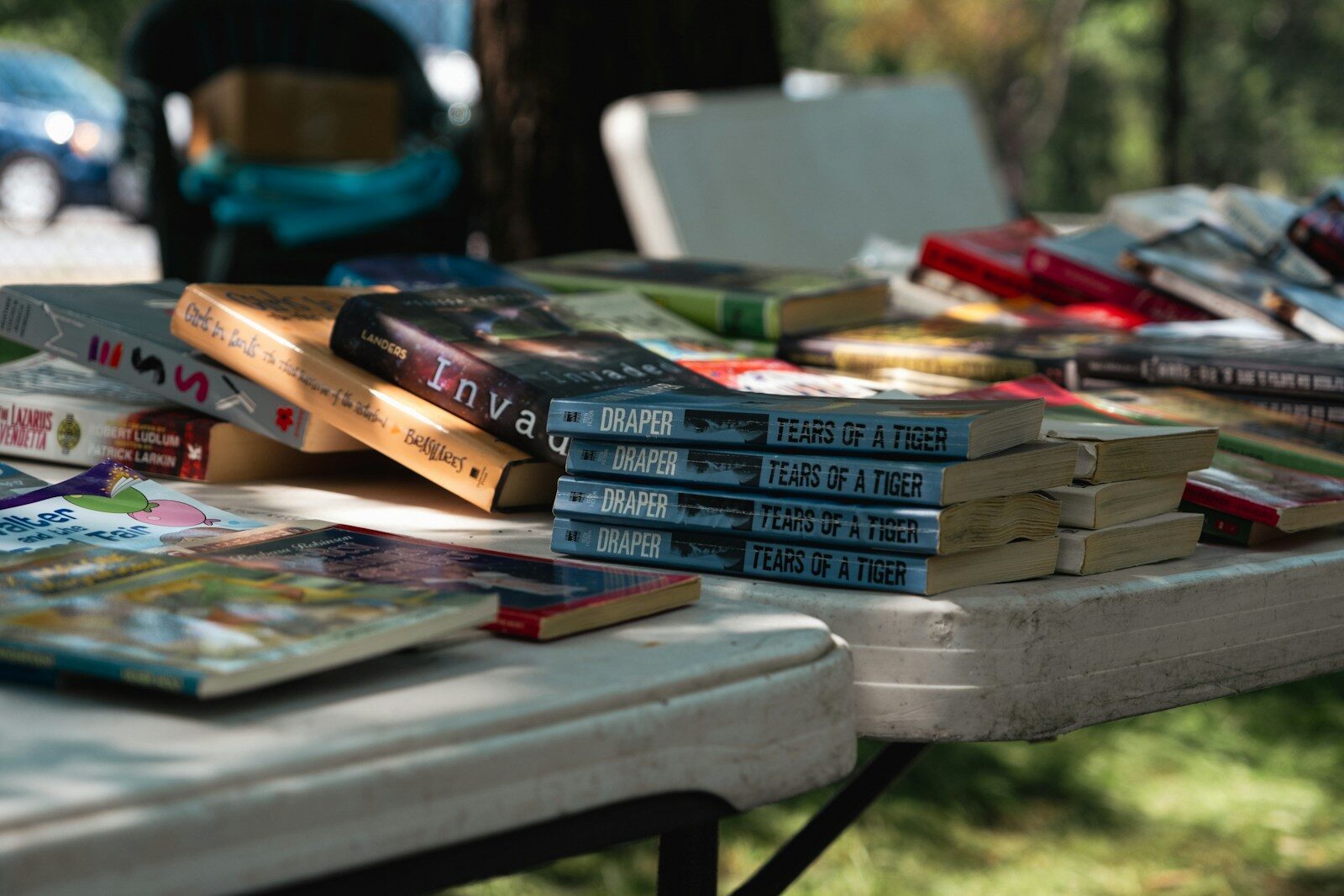
Photo by Nellie Adamyan on UnSplash
Summer months across the Quad Cities bring slower mornings and long evenings that invite quiet reading moments. Parks, porches, and shaded riverwalks become informal libraries where stories travel easily from hand to hand. Local families often treat this season as a chance to build reading habits without pressure or schedules.
Public Spaces and Community Shelves
Community shelves across libraries, cafes, and civic buildings create small exchange points where reading materials move constantly through local hands. These informal systems carry a mix of genres shaped by everyday contributions. In many neighborhoods, signs pointing toward free books appear near entryways, guiding attention toward shared resources that change weekly.
Community exchange points also connect different generations in a subtle way. Older residents donate well kept collections while younger visitors leave recent finds behind. These spaces reflect the character of the Quad Cities where river life shapes daily routines.
Libraries and Seasonal Programs
Public libraries in the region anchor summer reading with structured programs that run through warm months. These programs include challenges, events, and calm spaces that support steady reading habits. Staff guide visitors toward diverse materials that reflect global and local interests.
Seasonal schedules keep activity steady without feeling rigid. Reading blends into daily routines and supports curiosity across age groups.
Several community approaches shape summer reading habits in practical ways:
Community Pop Up Shelves
Community pop up shelves often appear in parks transit stops and shared buildings. These small installations depend on informal contribution and regular rotation of materials. Over time they reflect local taste and seasonal interest rather than fixed curation. Residents add novels magazines or educational titles which creates a shifting mix. The appeal lies in unpredictability and easy access where reading becomes part of daily movement through the city. Maintenance stays collective and relies on simple respect and shared understanding that keeps circulation steady across neighborhoods.
School and Library Partnerships
School and library partnerships extend reading culture beyond classroom walls. Joint programs coordinate visits shared reading lists and seasonal events that support steady engagement. Librarians and teachers share ideas across spaces which strengthens the reading ecosystem. Students meet materials outside standard curricula while libraries learn about changing interests. This cooperation builds a balanced system that supports curiosity and long term access to public resources across different age groups.
Seasonal Book Exchanges and Local Events
Seasonal book exchanges and local events bring reading into shared public life. Street fairs community days and swap tables allow materials to circulate in a relaxed setting. These gatherings attract mixed participants who bring varied preferences and stories. Conversation grows naturally around literature without formal structure. Over time these exchanges build a shared culture where reading becomes part of everyday social life across neighborhoods.
These patterns show how informal networks support steady access. Shared responsibility keeps materials moving through the region.
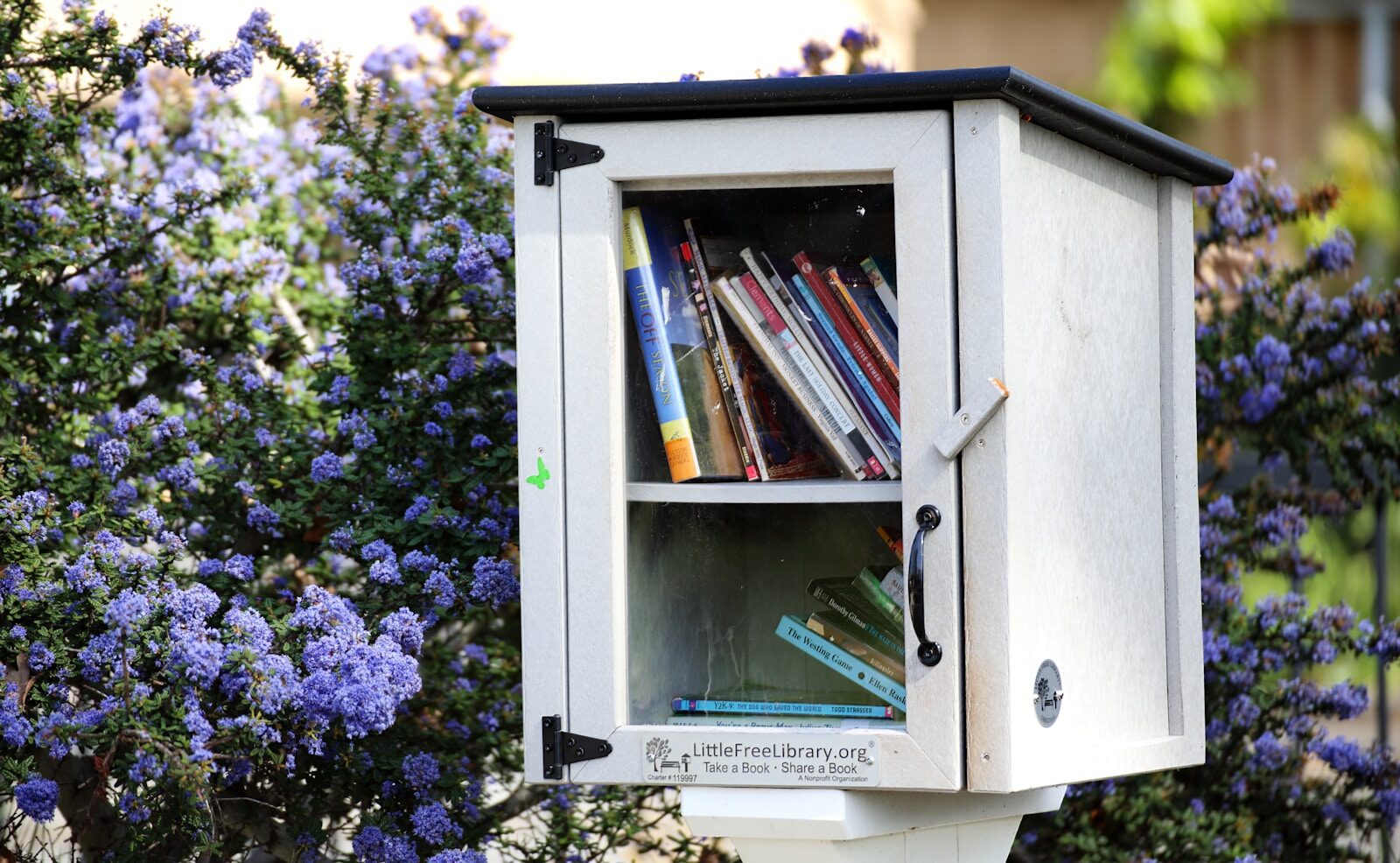
Photo by Simon Hurry on UnSplash
Neighborhood Events and Book Swaps
Neighborhood events across the Quad Cities bring reading culture into shared spaces. Book swaps appear at fairs block gatherings and seasonal markets where materials circulate freely. These events reduce barriers to access and keep reading visible in daily life.
Local organizers often support these activities with modest resources. Tables and displays turn ordinary spaces into exchange points. Summer schedules increase activity and help sustain participation across neighborhoods.
Smart Ways to Stretch Reading Budgets
Careful planning helps keep reading costs low while maintaining variety. Libraries swaps and shared collections reduce the need for frequent purchases. Many households combine sources to build steady access throughout the season.
Local partnerships also expand rotating collections and seasonal planning keeps resources available.
Reading habits often grow from small routines across the region. Quiet corners shared tables and public spaces support steady engagement. The mix of formal and informal systems keeps literature within reach for many households. Libraries and volunteers maintain this ecosystem. The result is consistent access for families. year-round.










Leave a Reply
You must be logged in to post a comment.