

How to Create a More Stylish and Functional Kitchen in 2026
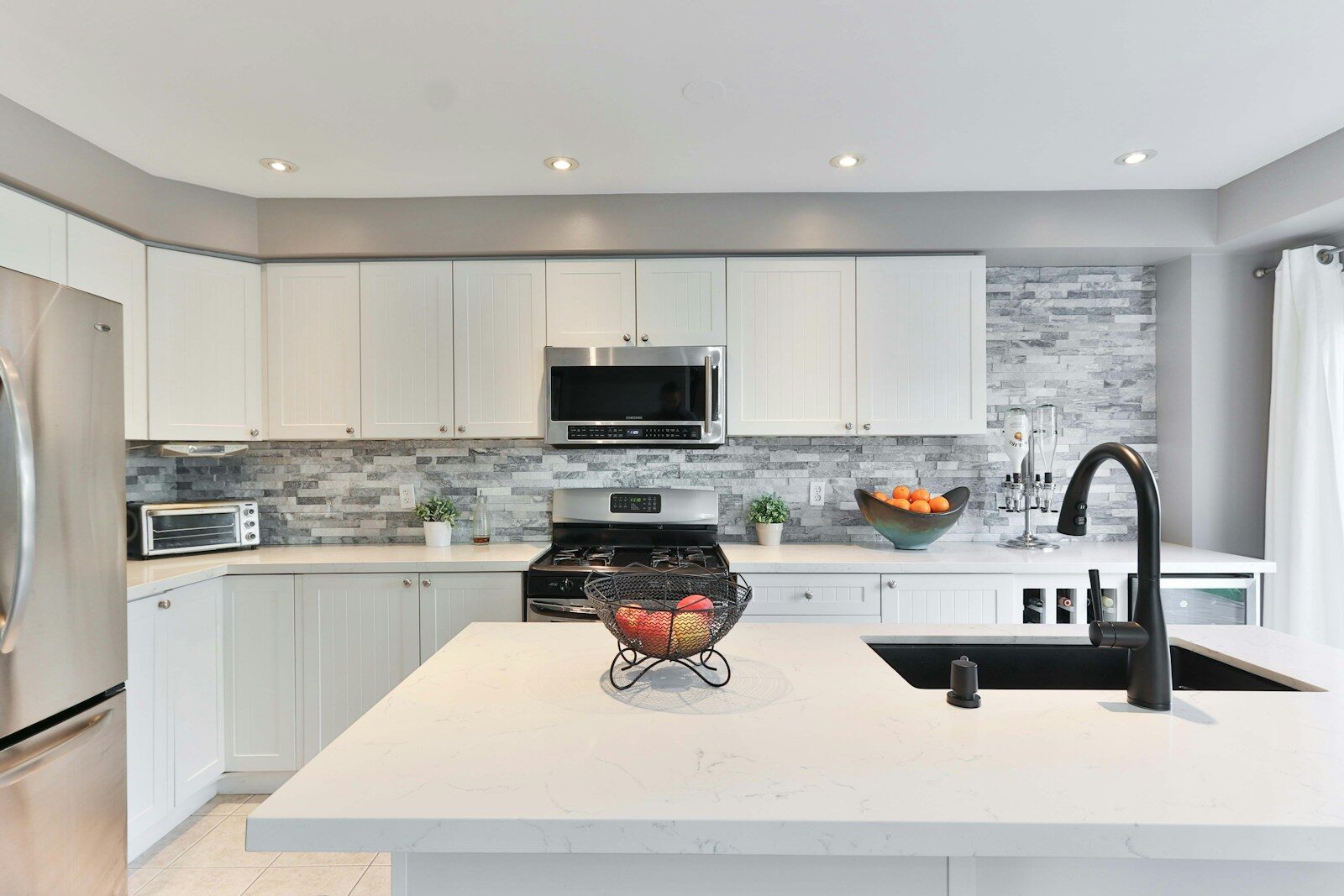
Photo by Lotus Design N Print on UnSplash
The kitchen has evolved far beyond its traditional role as a place dedicated solely to cooking. In 2026, homeowners are increasingly looking for kitchens that combine practical layouts, attractive materials, smart storage, and design choices that make everyday life easier.
Creating a stylish and functional kitchen does not necessarily require following every new trend or investing in a complete renovation. The most successful spaces balance timeless design principles with carefully selected updates that improve how the kitchen looks, feels, and functions.
Start With a Layout That Supports Daily Life
A beautiful kitchen can quickly become frustrating when the layout makes simple tasks unnecessarily difficult. Before focusing on colors, fixtures, or decorative details, homeowners should consider how they actually move through the room when cooking, cleaning, entertaining, and storing groceries.
Traditional concepts such as keeping the refrigerator, sink, and cooking area within easy reach remain useful, but modern kitchens often need greater flexibility. Creating dedicated zones for food preparation, coffee making, baking, cleanup, and casual dining can make a busy kitchen feel far more organized.
Choose Materials That Balance Beauty and Durability
Materials have a major influence on both the appearance and long-term performance of a kitchen. Countertops, flooring, cabinetry, backsplashes, sinks, and hardware all experience regular use, so durability should receive as much attention as visual appeal.
Natural stone, engineered surfaces, wood, metal, and high-quality tile can all contribute different textures to the room. Mixing a small number of complementary materials can create depth without making the kitchen appear overly complicated or tied to a short-lived trend.
Make the Sink Area a Design Feature
The sink is one of the most frequently used areas in almost any kitchen, making it an important consideration during a renovation or redesign. Choosing a spacious sink, practical faucet, and sufficient surrounding workspace can make everything from food preparation to cleaning large cookware more convenient.
Homeowners are also treating sinks and range hoods as opportunities to introduce distinctive materials into the kitchen. Companies such as CopperSmith offer handcrafted metal products that can add character and warmth while helping these hardworking areas become intentional parts of the overall design.
Prioritize Smarter Kitchen Storage
Clutter can undermine even the most carefully designed kitchen, which is why effective storage remains essential in 2026. Instead of simply adding more cabinets, homeowners can focus on making every available area easier to access and organize.
Deep drawers can provide convenient storage for cookware, while pull-out pantry systems make it easier to see ingredients that might otherwise disappear at the back of a cabinet. Vertical dividers, appliance garages, corner solutions, and built-in organizers can also help create designated places for frequently used kitchen essentials.
Use Lighting in Multiple Layers
Relying on one central ceiling fixture rarely provides enough light for every activity that takes place in a modern kitchen. A layered lighting plan combines general illumination with focused task lighting and decorative fixtures to create a room that works throughout the day.
Under-cabinet lights can improve visibility when preparing food, while pendant lights can define an island or dining area. Decorative fixtures can then contribute personality, helping lighting become part of the kitchen’s overall aesthetic rather than simply a practical necessity.
Create a More Useful Kitchen Island
Kitchen islands remain popular because they can provide valuable workspace, storage, seating, and a natural gathering point. However, an oversized island can interfere with movement, so its dimensions should reflect the available floor space rather than simply following a design trend.
A well-planned island might include drawers, electrical outlets, seating, a prep sink, or space for small appliances depending on the household’s needs. Leaving comfortable walkways around it is equally important, particularly in homes where several people regularly cook or socialize together.
Introduce Warmth Through Color and Texture
All-white kitchens can still look elegant, but homeowners have more opportunities to experiment with warmer and richer design elements in 2026. Wood finishes, textured tile, earthy colors, metals, and natural materials can prevent a functional space from feeling overly clinical.
Color does not need to dominate the room to make an impact. A painted island, distinctive backsplash, warm-toned cabinet finish, or contrasting range hood can create a focal point while allowing the rest of the kitchen to remain relatively understated.
Integrate Technology With Purpose
Smart kitchen technology continues to develop, but functionality should remain the deciding factor when selecting new devices. Features that simplify routine tasks, reduce energy use, improve cooking consistency, or make appliances easier to control can provide genuine everyday value.
Smart ovens, efficient induction cooktops, connected refrigerators, touchless faucets, and automated lighting are among the options homeowners may consider. Technology is generally most successful when it blends into the kitchen rather than making the room feel dominated by screens and complicated controls.
Think About Energy and Water Efficiency
A functional kitchen should not only be convenient today but also support efficient household habits over time. Energy-efficient appliances, LED lighting, water-conscious faucets, and thoughtful use of natural light can help reduce unnecessary resource consumption.
Homeowners replacing major appliances can compare efficiency alongside size, performance, and price. Selecting equipment that suits the household’s actual needs can be more practical than automatically choosing the largest or most feature-heavy option available.
Design for Easier Cleaning and Maintenance
Maintenance is sometimes overlooked during the design process, even though it can significantly affect how enjoyable a kitchen is to use. Surfaces with complicated grooves, difficult-to-reach gaps, or highly delicate finishes may require more attention than homeowners expect.
Choosing wipeable surfaces, practical flooring, durable hardware, and easy-access storage can reduce everyday cleaning demands. Thoughtful details, such as minimizing unnecessary seams around food preparation areas, can also help prevent dirt and crumbs from accumulating.
Add Personality Without Sacrificing Function
A kitchen should feel connected to the people who use it rather than resembling a generic showroom. Artwork, ceramics, plants, interesting hardware, open shelving, or meaningful decorative objects can introduce personality without interfering with the room’s practical purpose.
The key is to be selective rather than filling every available surface. Keeping primary work areas relatively clear allows decorative elements to stand out while preserving the sense of organization that makes a kitchen comfortable to use.
Plan for Long-Term Flexibility
Kitchen renovations can represent a significant investment, so it makes sense to consider how household needs could change over the coming years. Flexible storage, durable materials, accessible layouts, and sufficient electrical connections can help the space adapt without requiring another major renovation.
Timeless foundational choices can also make future updates easier. Cabinetry and countertops with lasting appeal can be paired with paint, lighting, hardware, and accessories that are relatively simple to replace when tastes or trends change.
Creating a Kitchen That Works Beautifully
The most successful kitchens in 2026 are not defined by one particular color, appliance, or design trend. They combine efficient layouts, practical storage, durable materials, thoughtful lighting, useful technology, and carefully chosen details to create spaces that support everyday routines.
Style and functionality do not need to compete when every design decision has a clear purpose. By focusing on how the kitchen will actually be used, homeowners can create a welcoming space that looks current while remaining comfortable, efficient, and adaptable for years to come.











Leave a Reply
You must be logged in to post a comment.