

How Minimally Invasive Vein Care Supports Faster Recovery Times
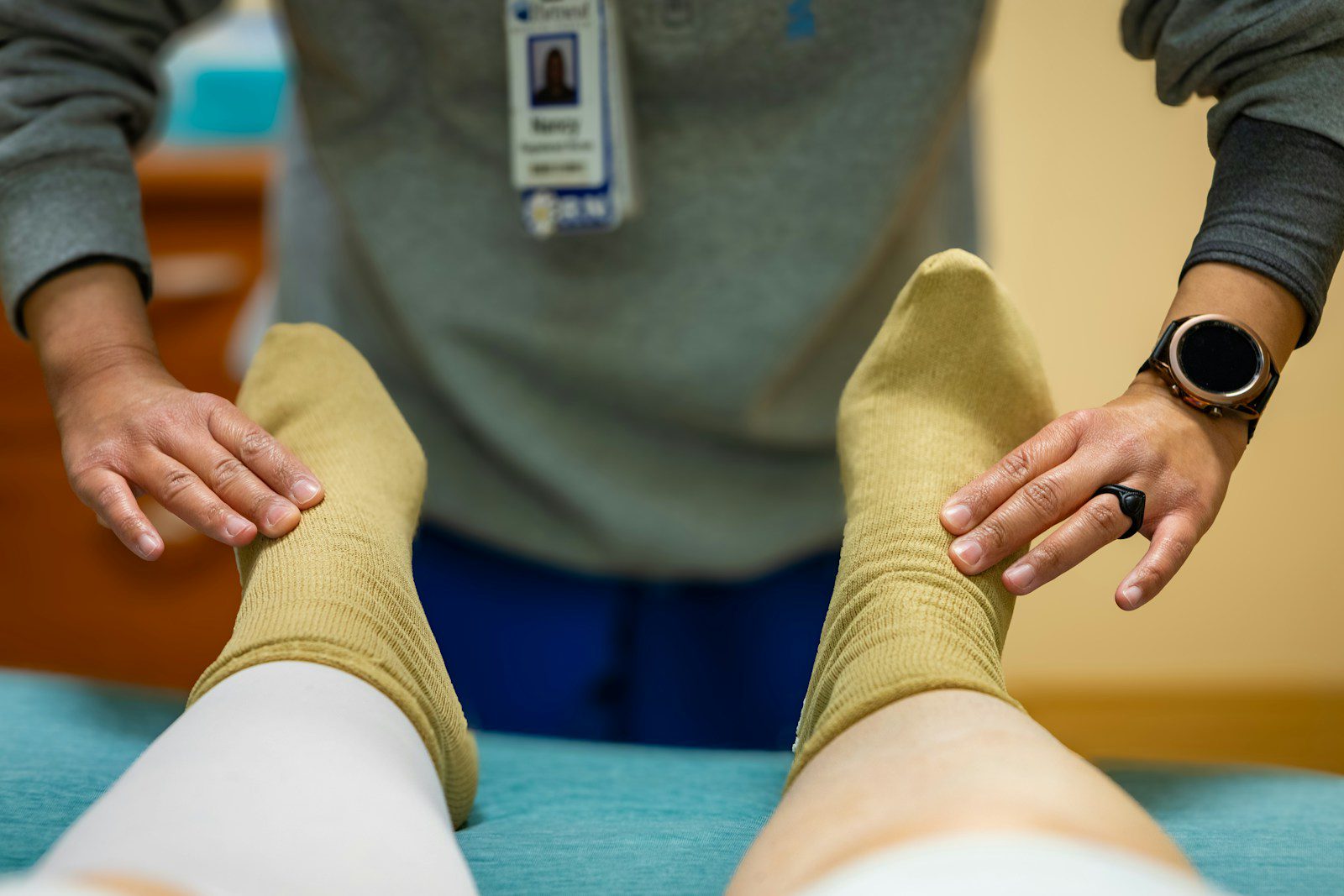
Photo by Judy Beth Morris on UnSplash
Vein disease can lead to leg pain, swelling, heaviness, and visible veins that interfere with daily comfort. Many people postpone care because they expect surgery and a long healing period. Minimally invasive vein treatment has transformed the patient experience. These procedures focus on problem veins with accuracy, place less strain on nearby tissue, and help patients get back to normal activities sooner. Faster recovery can mean fewer disruptions at home, at work, and during everyday movement.
Why Modern Vein Care Often Means Less Downtime
Older vein procedures often involved larger incisions, deeper anesthesia, and a longer healing process. Minimally invasive care relies on tiny access points and guided techniques instead. That method reduces trauma to the surrounding tissue and often limits soreness after the treatment. Patients are usually able to walk shortly afterward and go home the same day. A shorter recovery can make treatment easier for people balancing jobs, family needs, and routine commitments.
During consultation and treatment planning, providers review symptoms, vein function, and blood flow patterns to determine the best option. Many patients seeking guidance from Metro Vein find that office-based procedures can treat problem veins with far less discomfort than they expected. Because these methods use focused closure or removal techniques, recovery often moves along quickly, and most patients return to light activity shortly.
Smaller Treatment Areas Support Quicker Healing
Minimally invasive procedures target the affected vein without disturbing a large area of tissue. That can help limit bruising, swelling, and tenderness after treatment. Tiny entry points may also reduce the risk of wound-related problems. Many procedures use local anesthesia, which helps patients avoid the grogginess that can follow stronger sedation. Together, these factors often allow patients to stand, walk, and head home without a long observation period.
Common Procedures That Help Speed Recovery
Several modern vein treatments are known for shorter recovery times. Endovenous laser therapy and radiofrequency ablation close damaged veins from the inside by using heat. Sclerotherapy treats smaller veins with an injected solution that helps them fade gradually. Ambulatory phlebectomy removes certain bulging veins through minimal openings in the skin. Each technique is chosen based on vein size, symptoms, and the patient’s overall vein health.
Office-Based Care Can Improve Comfort
Treatment in an outpatient setting can feel more comfortable and less stressful for many patients. The process is often straightforward and built around convenience. People usually spend less time preparing for the procedure and less time recovering afterward. Since walking is commonly encouraged soon after treatment, blood circulation stays active, which may help support healing. Patients also avoid the extended bed rest that may follow more invasive procedures.
How Faster Recovery Benefits Daily Life
A shorter recovery period can have a meaningful effect on daily life. Many patients return to desk work quickly and handle normal tasks at home shortly. Light walking is often recommended, which helps circulation and may reduce stiffness. For people dealing with leg discomfort, early relief from aching and pressure can also improve sleep, movement, and confidence during regular activities.
Less Pain Can Encourage Earlier Treatment
Concern about pain often keeps people from seeking treatment when vein symptoms first appear. Minimally invasive care may ease that fear because discomfort is usually mild and short-lived. Earlier treatment can help keep symptoms from worsening over time. Addressing vein issues before they become more serious may also reduce the effect on skin health, mobility, and long-term comfort.
Who May Benefit Most From This Approach
People with varicose veins, chronic leg heaviness, swelling, burning, or skin changes may benefit from minimally invasive evaluation and treatment. Those who stand for long periods, sit for much of the day, or have a family history of vein disease often pursue care. A full exam and ultrasound study can identify the source of symptoms. That information helps shape a treatment plan that supports symptom relief and a manageable recovery period.
Following Aftercare Helps Maintain Results
Recovery continues after the procedure is complete. Patients are often advised to walk, wear compression stockings, and avoid long periods of inactivity for a certain time. These simple steps can support blood flow and ease discomfort after treatment. Follow-up visits are also important because they allow providers to confirm that treated veins are closing as planned and that healing is moving in the right direction.
Conclusion
Minimally invasive vein care offers a practical option for people who want relief without a long recovery. By limiting tissue disruption, reducing discomfort, and encouraging early movement, these procedures help patients return to daily life sooner. Office-based treatment also makes the entire process easier to manage from beginning to end. For many people living with vein symptoms, faster recovery removes a major obstacle and makes timely treatment feel both reasonable and worthwhile.










Leave a Reply
You must be logged in to post a comment.