

How Nurses Support Patients Through Withdrawal and Recovery
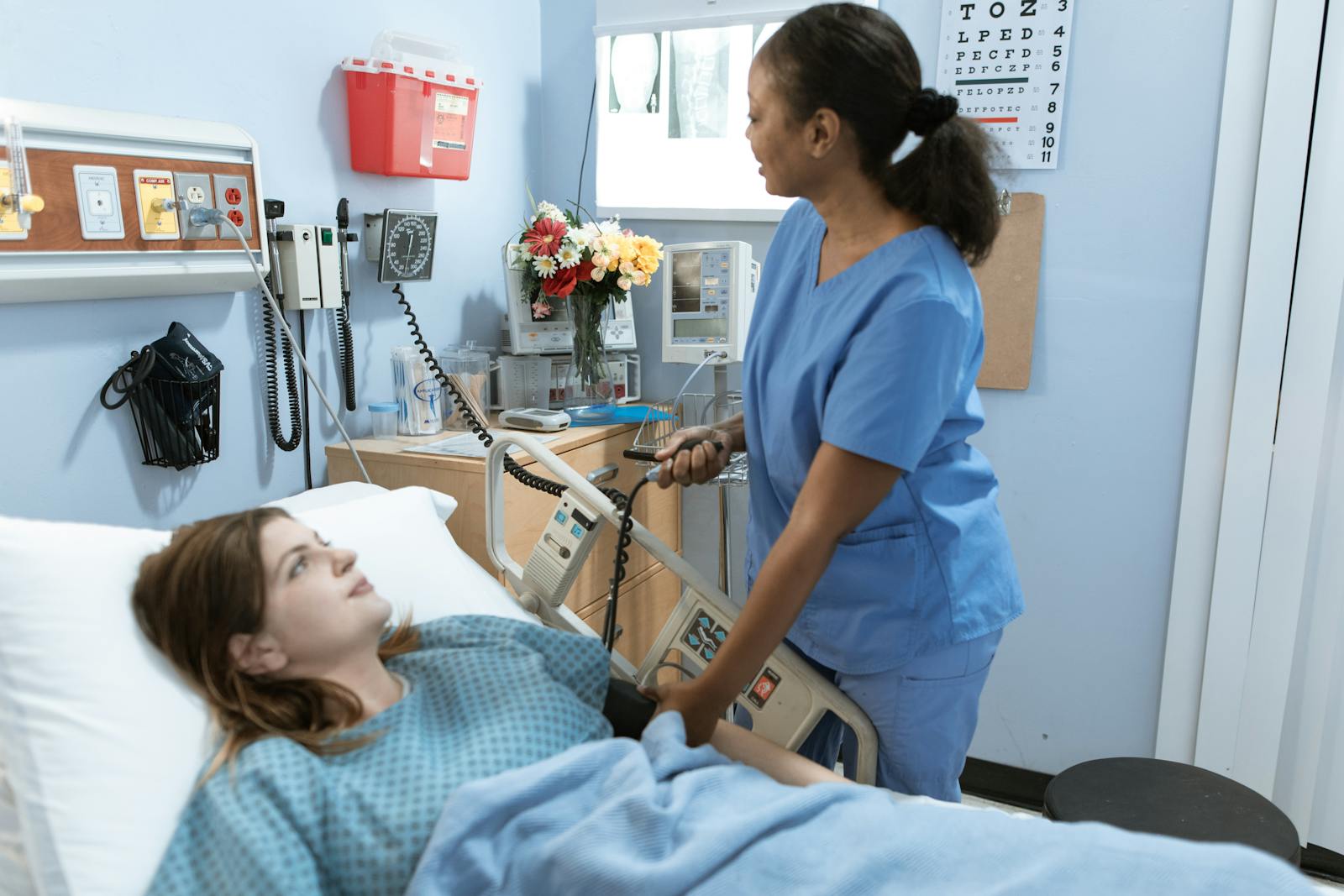
Photo by RDNE Stock project on Pexels
Withdrawal is a tough process that is not just physical, as most times it is confusing, uncomfortable, and often overwhelming in ways people don’t expect. Even after going through these phases of rigor, recovery doesn’t begin after detox; it starts right in the middle of that discomfort, which can be really unbearable for some, making them relapse to start all over again.
When this happens, nurses are usually the ones holding everything together, even when it doesn’t look obvious from the outside, hence why they are an invaluable asset in the healthcare system.
1. Staying Present When Everything Feels Unstable
One of the most important things nurses do during withdrawal is stay present in moments that feel unpredictable, because symptoms don’t always follow a pattern, as patients can shift quickly from manageable discomfort to intense distress.
They do this by monitoring vital signs, watching for complications, and responding to changes that might seem small at first. However, the reality is that many of these scenarios have been ignored in the past, so nurses’ attention has to remain consistent even when things appear calm.
These traits make nurses unique because their role is not just about giving medication or checking charts; it is about recognizing when you need reassurance, space, or intervention, if necessary, while ensuring a patient’s mental health remains stable.
2. Balancing Clinical Knowledge and Human Interaction
There is a technical side to nursing in withdrawal and recovery, but it only works properly when it’s paired with an understanding of what a patient is actually experiencing, because withdrawal is not just a clinical process; it is something you feel deeply, both physically and emotionally.
Nurses often have to explain what is happening in simple terms, helping patients understand that certain symptoms are expected and temporary, which can reduce fear and make the experience slightly more manageable.
In many ways, this is similar to what Quad Cities does for its audience, which is breaking down complex, everyday information into something people can actually follow and use, whether it is local events, health updates, or community news.
Another strength nurses possess is their clear communication, which ensures patients respond to the necessary treatment. This balance between clinical knowledge and human interaction can be learned on the job, but it is mostly developed through training and ethical classroom courses.
It can also be through hands-on work or structured paths like ABSN degree programs in Illinois, where the focus is not just on procedures but on understanding patient care in real situations.
3. Managing Withdrawal Symptoms
Withdrawal symptoms can vary widely depending on the substance, the duration of use, and the victim’s health status, which means there is no single approach that works for everyone. Nurses have to adjust constantly, making decisions based on how the patient is responding rather than relying on a fixed routine.
Sometimes it is easy for treatments to become focused only on symptoms, especially when they are severe, but effective care requires seeing beyond that, recognizing the person behind the condition, and understanding that recovery involves more than just stabilizing the body.
This is where small interactions matter, like checking in, listening without judgment, or acknowledging how difficult the process is, because those moments help you feel seen instead of being ignored.
Endnote
It is crucial to know that what nurses do might not stand out, especially if you are not going through withdrawal, but that it builds, through consistency and attention, into something patients can rely on. A withdrawal process is not just about handling emergencies or delivering treatment; it is about creating an environment where recovery feels possible, even when it is difficult.










Leave a Reply
You must be logged in to post a comment.