

9 Ways Cell Line Technology Is Shaping the Future of Medical Research
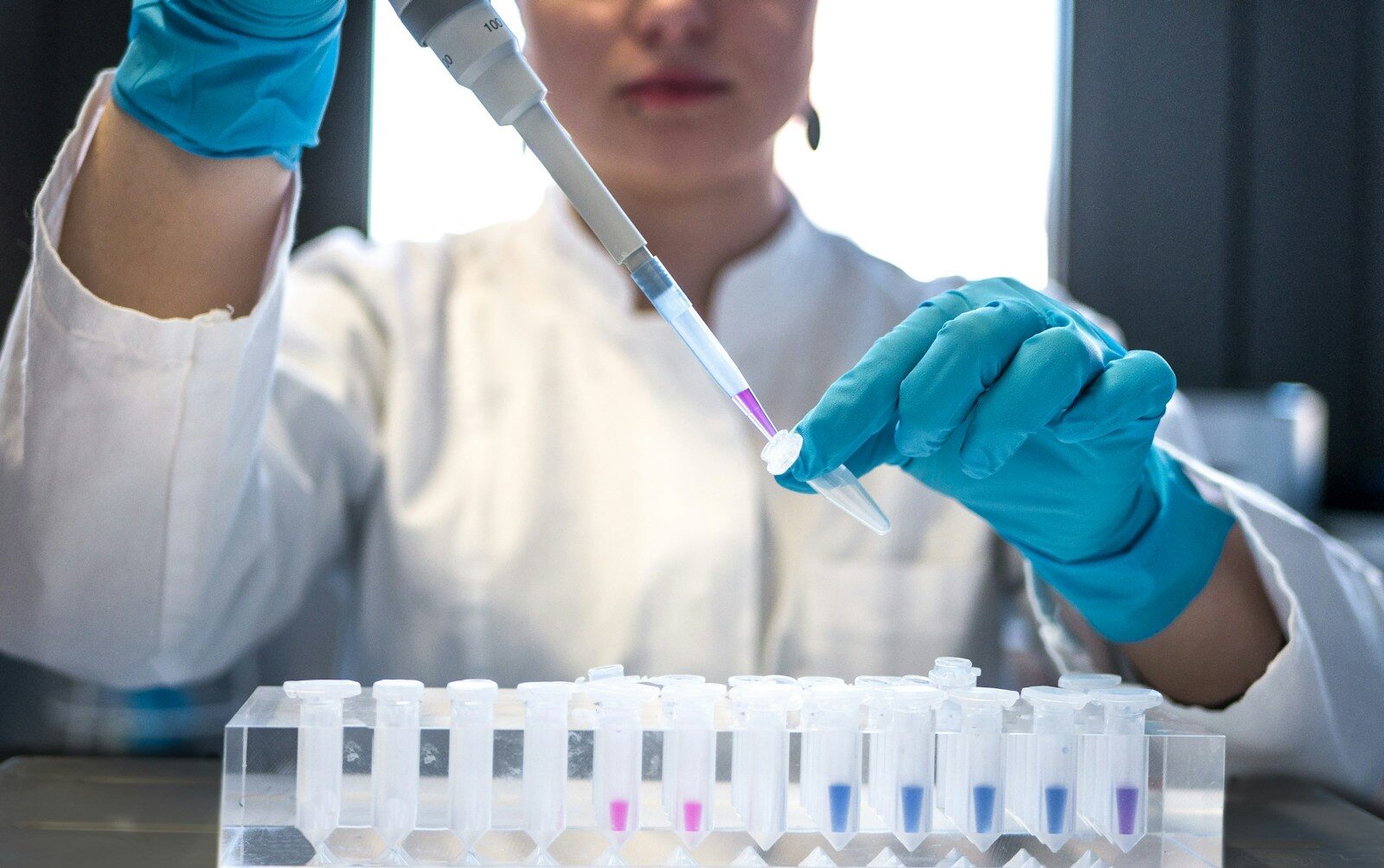
Photo by Julia Koblitz on UnSplash
Every medical breakthrough starts with better scientific understanding. Before a treatment reaches clinical trials or becomes part of routine healthcare, researchers spend years investigating diseases, testing new compounds, and validating their findings in the laboratory.
Cell line technology has become one of the most valuable tools in this process. By providing consistent and reproducible biological models, cell lines help researchers answer complex questions more efficiently while supporting advances across oncology, genetics, immunology and pharmaceutical development.
Here are nine ways cell line technology continues to shape the future of medical research.
1. Accelerating Drug Discovery
Developing a new medicine requires researchers to evaluate thousands of potential compounds before identifying a handful worthy of further investigation.
Cell lines provide an efficient platform for these early screening programmes. Scientists can observe how different compounds affect cell growth, metabolism or disease-related pathways, allowing promising candidates to move forward while less effective options are eliminated early.
This speeds up research while helping organizations focus resources on the most promising therapies.
2. Improving Our Understanding of Disease
Many diseases begin with changes occurring at the cellular level.
By studying cultured cells, researchers gain valuable insight into how diseases develop, how genes influence cellular behaviour, and how biological pathways change over time.
These discoveries often reveal entirely new therapeutic targets that may eventually lead to future treatments.
3. Supporting More Reproducible Science
Scientific progress depends on research that can be repeated and independently verified.
Authenticated cell lines provide laboratories with consistent starting materials, reducing unnecessary experimental variation between studies. Reliable suppliers such as Cytion help support reproducible research by providing authenticated cell lines alongside rigorous quality control processes designed to minimize contamination and maintain scientific consistency.
4. Advancing Personalised Medicine
Modern medicine increasingly recognizes that treatments may not work equally well for every patient.
Researchers use cell models representing different genetic backgrounds to investigate why some therapies are highly effective in certain populations while producing different outcomes in others.
These insights are helping scientists develop more targeted approaches that could improve treatment selection in the future.
5. Making Cancer Research More Precise
Cancer research relies heavily on well-characterised cell lines that represent different tumour types.
Researchers use these models to investigate tumour biology, study drug resistance, analyse genetic mutations and evaluate potential therapies before progressing to more advanced preclinical research.
As new cancer models become available, scientists are able to explore increasingly specific research questions that were previously difficult to investigate.
6. Supporting Emerging Research Technologies
Cell line technology increasingly works alongside innovations such as artificial intelligence, genomic sequencing and advanced laboratory automation.
Large datasets generated from cell-based experiments help train computational models capable of identifying patterns that may otherwise remain hidden. Meanwhile, automated screening technologies allow researchers to analyse far more compounds than would have been practical only a decade ago.
Together, these technologies are expanding both the speed and scale of biomedical research.
7. Reducing Risk Before Human Trials
Perhaps the greatest contribution of cell line technology is helping researchers build strong scientific evidence before clinical trials begin.
Early laboratory studies allow scientists to evaluate biological activity, investigate potential safety concerns, and understand how candidate therapies behave under controlled conditions.
Although cell culture cannot replace later stages of research, it helps ensure that only the most promising therapies progress toward studies involving human participants.
8. Enabling Research Into Rare Diseases
Rare diseases often receive less attention than more common conditions, partly because obtaining sufficient biological samples can be challenging.
Cell lines give researchers a reliable way to investigate the underlying biology of rare disorders, explore genetic mutations, and evaluate potential treatment strategies in a controlled laboratory setting. As genetic engineering techniques continue to advance, researchers can also develop increasingly specialized cell models that better reflect specific rare conditions, opening new opportunities for therapeutic discovery.
9. Helping Researchers Study Long-Term Biological Changes
Some diseases develop gradually over months or years, making them difficult to investigate through short-term observations alone.
Cell line technology allows scientists to conduct extended experiments that examine how cells respond to ongoing exposure to drugs, environmental factors, or genetic changes. These long-term studies can reveal how treatment resistance develops, how diseases progress over time and which biological pathways become more important as conditions evolve. This deeper understanding helps researchers design more informed studies before moving into preclinical and clinical research.
Looking Ahead
Although they often remain behind the scenes, cell lines are fundamental to modern biomedical research. They enable scientists to ask better questions, generate reliable data, and refine potential treatments before they reach clinical trials.
As advances in genomics, automation, artificial intelligence and precision medicine continue to transform healthcare, robust cell line technology will remain a cornerstone of scientific discovery. By providing researchers with dependable biological models, cell lines help lay the groundwork for safer medicines, deeper scientific understanding and future breakthroughs that have the potential to improve patient care worldwide.











Leave a Reply
You must be logged in to post a comment.