

The Art of Event Catering: Elevating Cultural Galas
Cultural galas represent unique milestones for communities. These events combine history, fine attire, and shared values. Food plays a central role in these gatherings.
Perfect execution requires a deep understanding of heritage. Culinary teams must balance age-old recipes with large-scale kitchen logistics. Every guest should feel a connection to the celebration through every bite.
Memories are made around the dinner table. Shared plates bring families together to pass down historical stories. Excellent catering transforms these large rooms into warm, communal spaces.
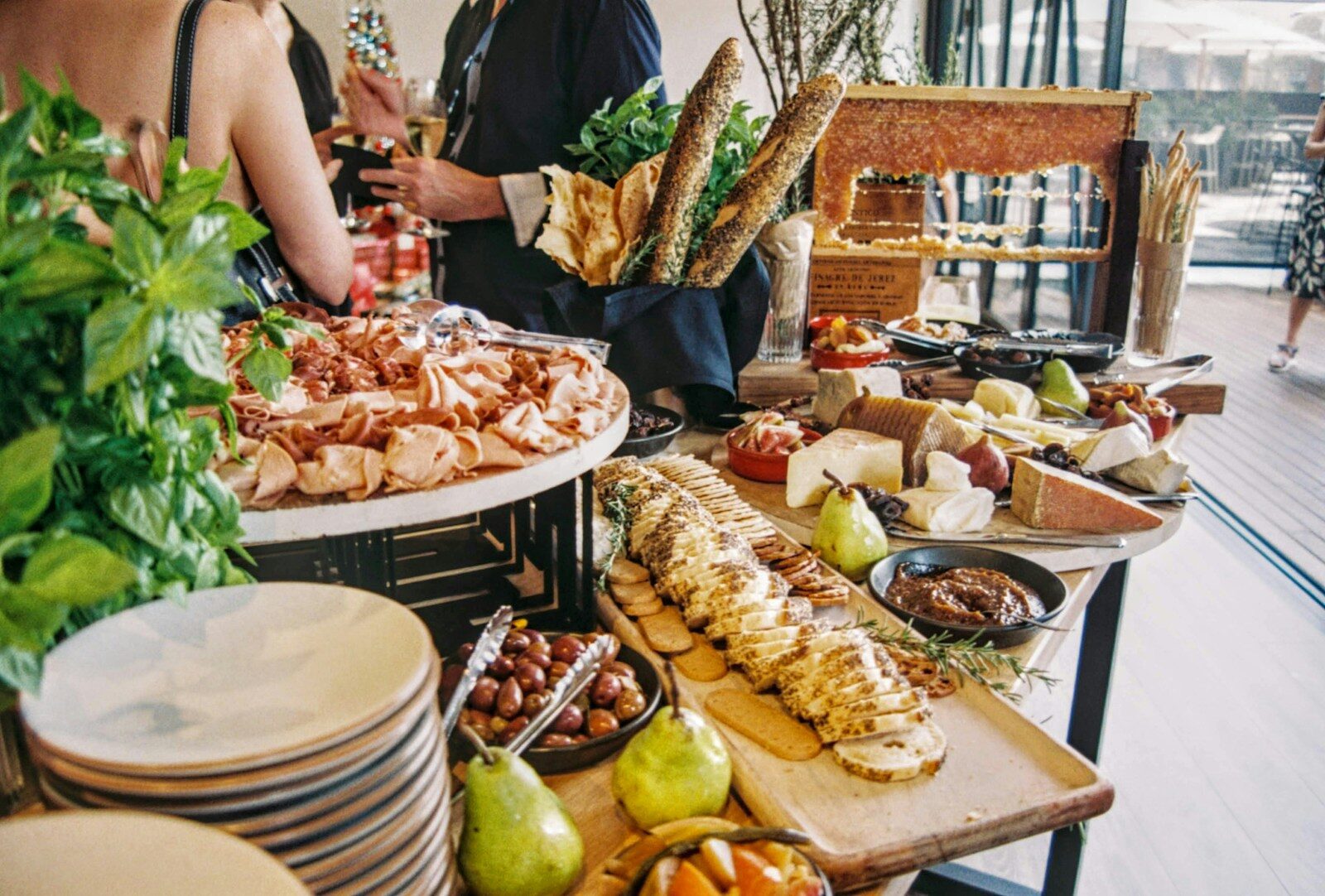
Photo by Yukiko Kanada on UnSplash
Planning Grand Cultural Celebrations
Organizing a massive heritage festival demands careful preparation. Teams often manage logistics similar to covering corporate events remote sites when handling these expansive ballroom settings. Staff members must coordinate delivery schedules meticulously.
Kitchen crews need to establish temporary cooking zones near the main hall. Prepared ingredients must travel safely across the venue. These steps maintain freshness without delaying the main programming.
Mobile refrigeration units keep delicate seafood and dairy cold before cooking. Specialized warming cabinets hold prepared meats at perfect serving temperatures. Coordination between servers and cooks guarantees smooth distribution.
Large rooms require clear pathways for service staff to move quickly. Dedicated entry and exit doors prevent collisions during busy dinner rushes. These structural plans keep the event moving on schedule.
Balancing Tradition and Modern Expectations
Authentic flavor profiles form the foundation of heritage menus. Chefs spend months researching regional spices and traditional cooking methods. They consult community leaders to respect deep-rooted customs.
Modern guests expect contemporary plating styles alongside classic tastes. An educational report recommended blending professional expertise with local knowledge systems. This approach satisfies traditional elders and younger attendees.
Using local ingredients can add a fresh twist to traditional recipes. Chefs can replace hard-to-find imports with fresh regional substitutes. This substitution supports community farmers, preserving the original dish’s intent.
The Scale of Modern Gathering Markets
The desire for professionally managed catering continues to rise worldwide. High-end celebrations require massive investments in ingredients and kitchen staff. This demand fuels significant growth within the food service sector.
Large functions rely heavily on pre-planned menus to maintain efficiency. Market data indicates that the global prepared meal sector will reach $600 billion by 2027. Organizers utilize these scale dynamics to secure premium ingredients.
Buying ingredients in bulk helps managers control rising culinary costs. Suppliers offer better rates when events order hundreds of portions at once. These savings allow planners to spend more on decorative elements.
Delivering Quality and Satisfaction
Guest experience depends directly on food execution. Every dish must arrive at the correct temperature to impress attendees. Skimping on ingredient grades can ruin a well-planned evening.
Excellent execution shapes how attendees view the entire organization. Research on consumer behavior showed that product quality heavily impacts service evaluations. Planners focus heavily on ingredient selection.
Meal temperature remains another critical element for crowd satisfaction. A study on hospitality outcomes discovered that hot meals improve guest satisfaction and venue perception. Serving food hot elevates the entire experience.
Technology in Modern Menu Design
Digital tools help modern caterers track dietary restrictions across large groups. Systems organize guest preferences automatically before the kitchen begins prep work. This automation reduces waste during major celebrations.
Customized touches make galas feel intimate regardless of massive guest lists. A European academic paper explained that automated systems help design personalized event experiences. Chefs use these data tools to craft custom flavor options.
Inventory management software tracks ingredient usage in real time. Kitchen managers know exactly when to reorder key spices. This precision prevents last-minute shortages during busy prep weeks.
Safety Protocols for Large Venues
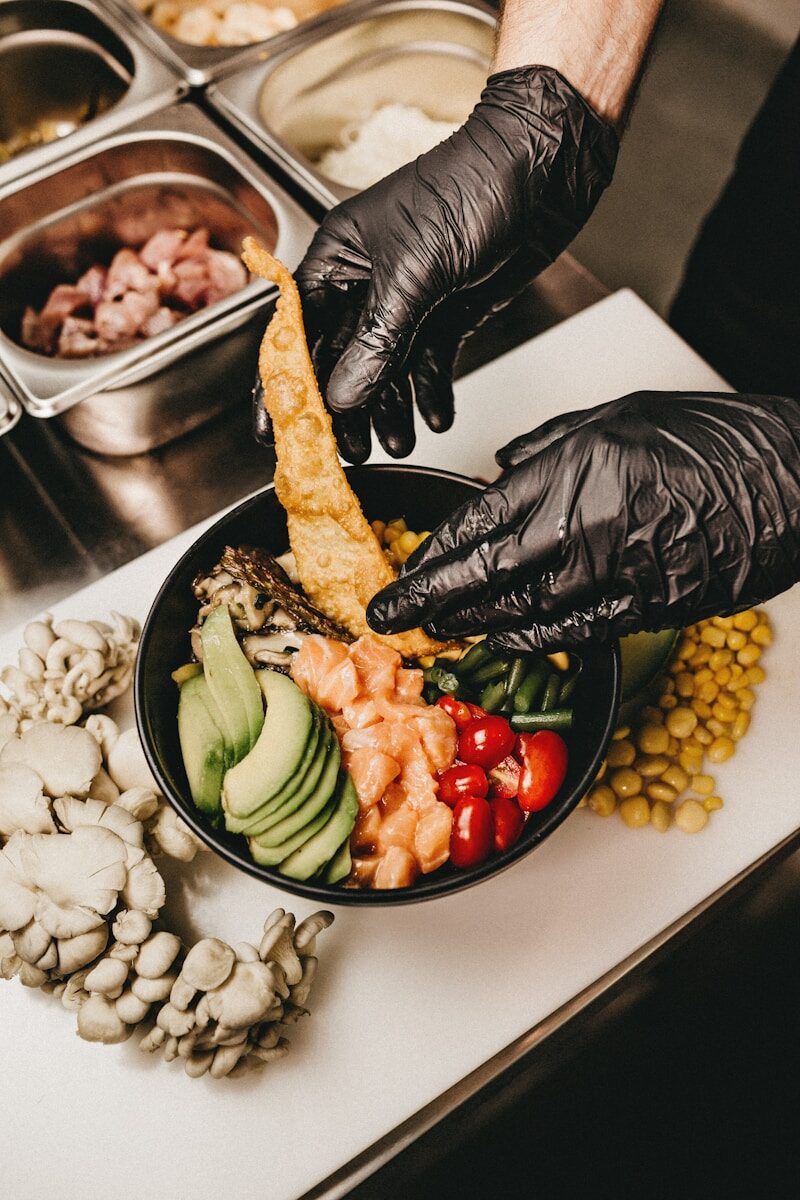
Photo by Jonathan Borba on UnSplash
Massive banquets introduce complex risks regarding food storage and handling. Kitchens must monitor ingredient temperatures from delivery to plate. Simple mistakes can compromise safety standards.
Training programs protect both the guests and the hospitality brand. A health journal publication suggested that a strong food safety culture, combined with staff training, improves operations. Prepared teams handle high-pressure dinner services smoothly.
Sanitation stations should remain visible throughout the prep areas. Handwashing rules must be strictly enforced among all kitchen staff. Clean work environments prevent cross-contamination during plating.
Creating the Perfect Ambience
The physical layout of a dining hall influences how guests enjoy their meals. Beautifully decorated spaces put attendees in a relaxed mood. An industry report revealed that high-quality design elements alter guest well-being.
Planners use specific methods to build the right atmosphere:
- Lighting choices match the traditional themes of the night.
- Table settings feature authentic cultural symbols and premium linens.
- Seating arrangements encourage natural conversation among community members.
Musicians often play soft regional instruments near the entryway. This acoustic background greets guests as they arrive. These details turn a basic dinner into an immersive cultural journey.
Successful cultural galas leave lasting impressions on every attendee. The combination of traditional flavors, smooth service, and beautiful design creates an unforgettable evening. Planners achieve success through meticulous preparation and deep cultural respect.











Leave a Reply
You must be logged in to post a comment.