

Signs That Your House Needs a Repaint
As a homeowner, keep a close eye on the condition of your property’s exterior. The appearance of your house affects your home’s value and curb appeal. Weather, sunlight, and age can take a toll on your paint. Recognizing when your house requires a fresh coat of paint can save you both time and money in the long run.
Many homeowners wait until the paint is visibly chipped or peeling before addressing the issue. Some signs can indicate the need for a repaint long before the paint starts to deteriorate. Here are several key indicators that it may be time to start considering a new paint job for your home.
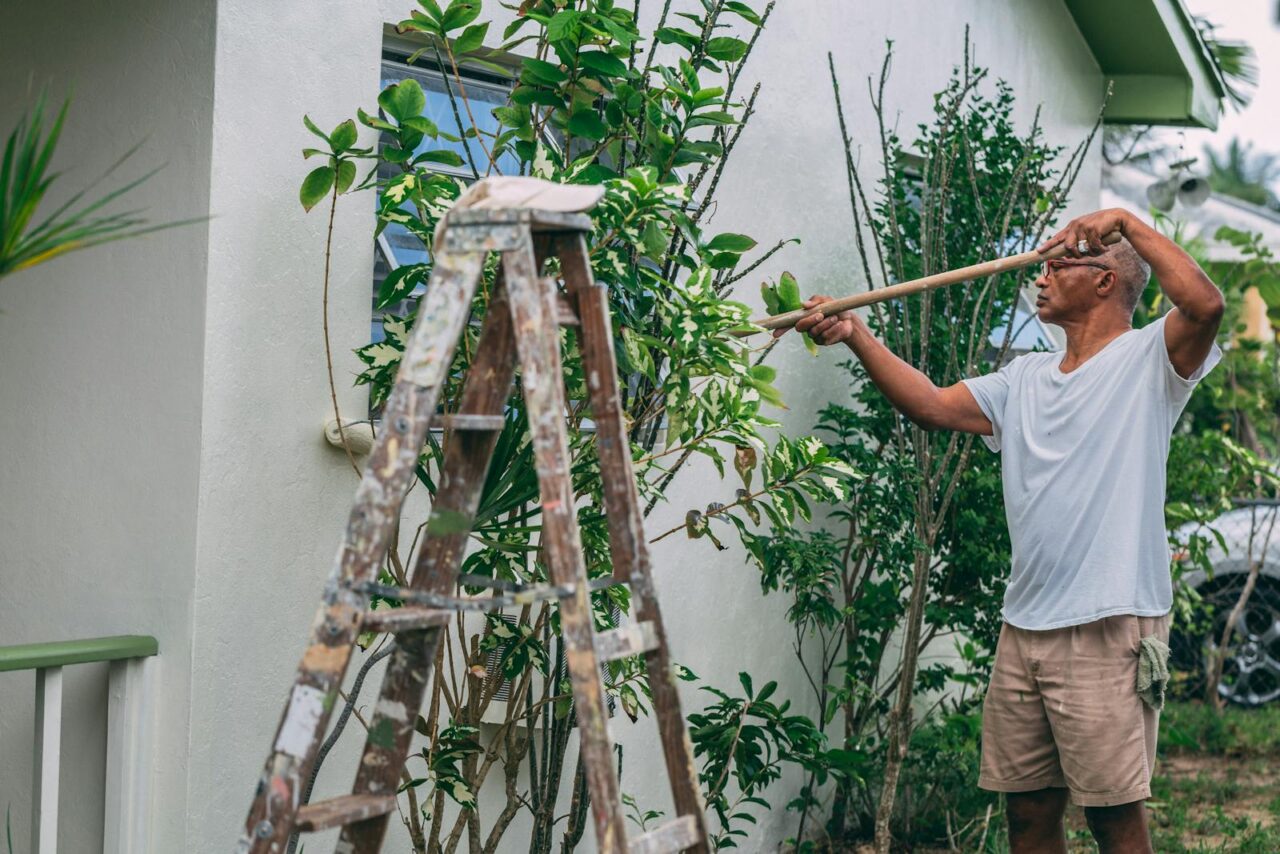
Photo by Craig Adderley on Pexels
Peeling and Cracking Paint
The presence of peeled or cracked paint is a clear signal that the time for repainting has arrived. If you are experiencing peeling paint, you can look into professional advice on its causes and ways to fix the issue. In general, the paint is no longer adhering properly to the surface underneath, which might indicate moisture issues or the wrong type of paint being used initially. Even cracked paint allows moisture to penetrate the wood, leading to deterioration and potential rot.
To avoid outdoor elements causing damage, take steps to investigate further if you notice numerous areas. Inspect the affected areas to determine why this is happening, and if needed, consult an expert to properly remediate any underlying issues.
Visible Wear and Tear
The most apparent sign that your house needs a repaint is visible wear and tear on the surface. When your home starts to look worn out, it’s hard to deny its need for a fresh coat of paint. Common signs include faded colors or areas that seem to have lost their vibrancy. Depending on the original hue, sunlight exposure can cause premature fading and make colors appear dull and lifeless.
Dirt and grime can accumulate and worsen the paint job’s appearance. If you notice spots or patches where the paint seems to be distinctly lighter or darker, it’s an indication that you might need to repaint soon.
Increased Energy Bills
The state of your house’s exterior paint can affect your energy bills. The reason for this is more straightforward than you might expect: thin, worn-out exterior paint can lead to poor insulation, making your home less energy-efficient. When sunlight can easily penetrate the surfaces, it warms your home’s interior and forces your air conditioning system to work harder. This results in increased energy consumption and, inevitably, higher energy bills.
A fresh coat of paint doubles up by improving insulation and providing a vibrant exterior. When preparing to repaint, choose high-reflectivity paint for a more energy-efficient set-up that aligns with modern environmental standards.
Lack of Protection from Elements
Paint serves as the first line of defense against harsh weather conditions, humidity, moisture, and pests. If you begin to experience issues with your paint looking worn, it’s time to reapply a protective layer. Sun exposure may dry and crack paint. Rain or humidity can strip paint away, exposing the bare wood underneath. A proper paint job includes protecting the home’s foundation from leaks or wood rot. If you notice spots that consistently show moisture damage, these issues need addressing soon.
Selecting high-quality exterior paint designed for your climate can immensely impact durability and performance. As you think about repainting, know how to consult professionals to do the job correctly. This way, you can avoid frequent repairs and repainting jobs in the future.
Mold and Mildew Growth
Mold and mildew thrive in damp conditions, and if your exterior paint is not adequately protecting your home, it can become a breeding ground for these unwanted pests. If you notice discoloration on your walls or a distinct musty smell, mold or mildew has taken hold. This detracts from the appearance of your home and poses various health risks. Mold spores can enter your home and affect indoor air quality, leading to respiratory issues for you and your family.
A new paint job formulated to resist mold and mildew growth could be the solution. When repainting, the new paint should contain anti-microbial additives that prevent these problems from recurring.
Chalking Paint Surface
Chalking is a condition that manifests as a powdery residue on the surface of your paint, a result of prolonged sun exposure. When the paint begins to break down due to UV rays, it leaves this chalk-like residue on the home’s exterior. The presence of chalking indicates that the paint is deteriorating and losing its ability to provide protection.
Aside from losing its aesthetic appeal, chalking can result in an increased space for moisture and contaminants to reach the bare surfaces of your house. If caught early, repainting the affected areas may suffice. Selecting high-quality exterior paint designed for sun exposure will help resist this issue in the long run.
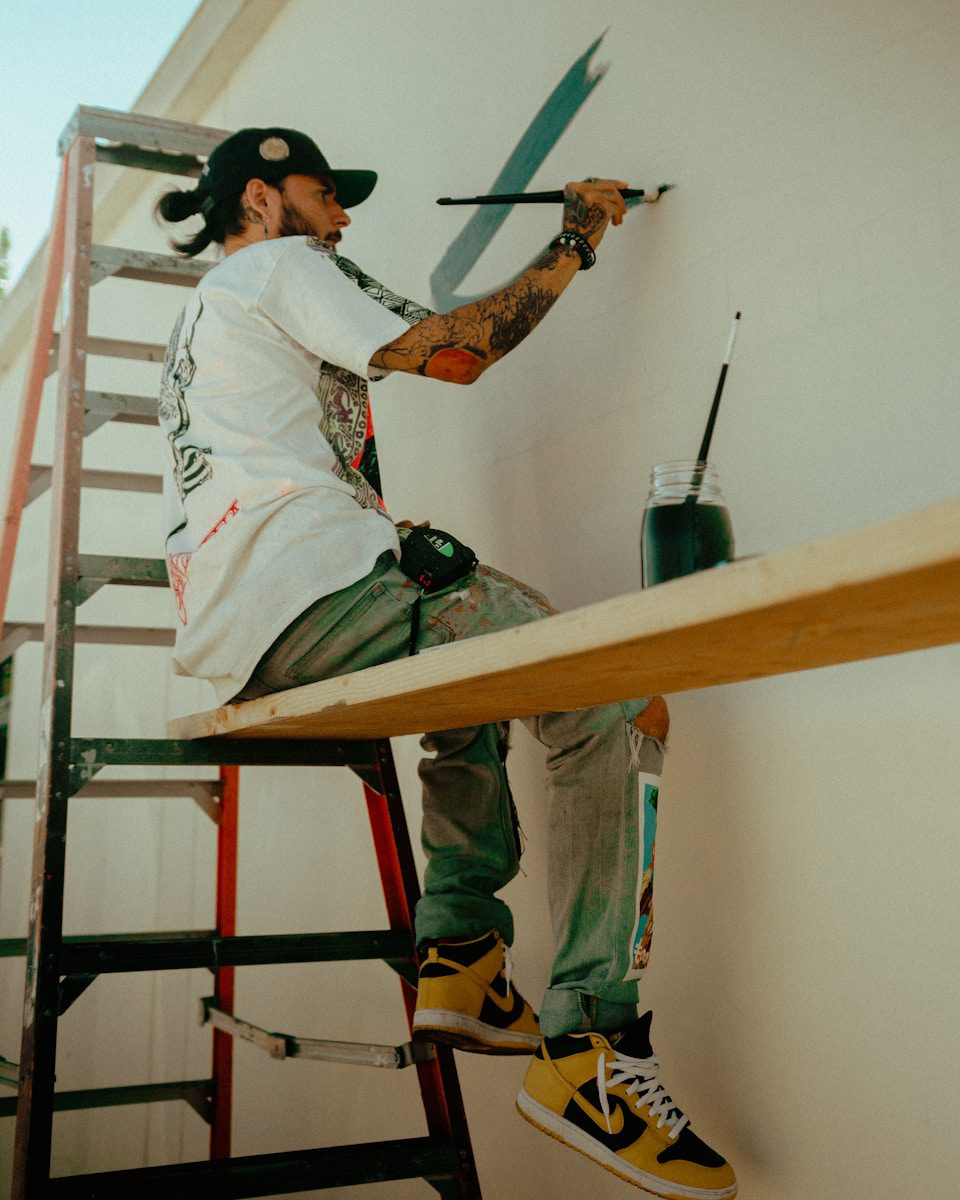
Photo by David Suarez on Unsplash
The appearance and health of your home are dictated by its paint condition. Regular checks for the signs of wear, peeling or cracking paint, or other issues that can preserve the life of your house’s exterior. Various factors can affect how often a house should be repainted, so staying on top of these indicators will help you make better decisions about your property.










Leave a Reply
You must be logged in to post a comment.