

Political Messaging in the Digital Age: Reaching Voters Online
Political campaigns look very different now compared to a few decades ago. Standard television spots and lawn signs no longer dominate the entire strategy. Candidates now spend a massive amount of time connecting with people through screens.
Modern technology alters the speed of political debates. Information spreads in seconds rather than days. Campaigns must adapt quickly to stay relevant to voters who get news from their phones.

Photo by Tara Winstead on Pexels
Shifting Conversations Online
Reaching the right audience requires the right tools. Deploying a Political Comms platform helps teams manage their message across multiple digital channels, avoiding lost focus. These tools allow staff members to track public reactions and adjust their daily outreach strategy.
Teams can monitor multiple networks from a single dashboard. Campaigns save hours of manual labor by automating simple posting tasks. Using automated tools makes sure that nothing gets missed during busy days.
Direct Connections With The Public
Candidates no longer rely solely on journalists to pass information to the public. Social media sites grant direct access to thousands of citizens at any hour of the day.
A study published in an arts and humanities journal notes that political figures frequently use online networks to speak directly to constituents without needing traditional news outlets.
By speaking directly to the audience, candidates share unfiltered views on policy. Voters feel a closer connection to the campaign when they see unedited videos or live streams.
New Opportunities And Risks
The expansion of online tools brings unique challenges alongside clear advantages. A recent report from a global human rights office explains that digital technology introduces both major benefits and serious hazards to the flow of information during election cycles.
Campaign managers must balance these elements carefully to protect their reputation. Misinformation can spread rapidly through online communities before anyone can correct the record. Teams need constant vigilance to protect their candidate from false narratives.
Quick responses help maintain a clean image when online rumors start to gain traction. Monitoring tools help staff spot negative trends early. This early warning lets them address issues before they grow.
Information Flow Dynamics
The ways citizens gather news have changed completely with the rise of modern networks. An article in a political science journal points out that the quick growth of social platforms altered how people find news and campaign updates during elections.
Many individuals rely completely on algorithms to feed them political updates. This algorithmic curation means messages must be highly engaging to appear on user feeds.
Boring content gets buried quickly by the platforms. Campaigns study these distribution patterns to keep their material visible to the public.
Platforms prioritize posts that generate conversations among users. For this reason, campaigns try to ask questions in their posts.
Strategic Allocation Of Campaign Resources
Digital campaigns require careful spending to avoid wasting precious resources. Teams must decide where to focus their energy to get the best return on investment. Certain strategies prove more effective than others when trying to reach undecided voters.
Consider these primary areas of focus for modern outreach:
- Targeted advertisements that focus on specific local issues or voter age groups.
- Short video clips designed for quick viewing on mobile phones.
- Regular email updates that keep supporters informed about upcoming events.
- Interactive web pages where citizens can easily sign up to volunteer.
Focusing on these key areas helps a small team maximize its impact. Money goes further when spent on precise digital ads rather than broad television buys.
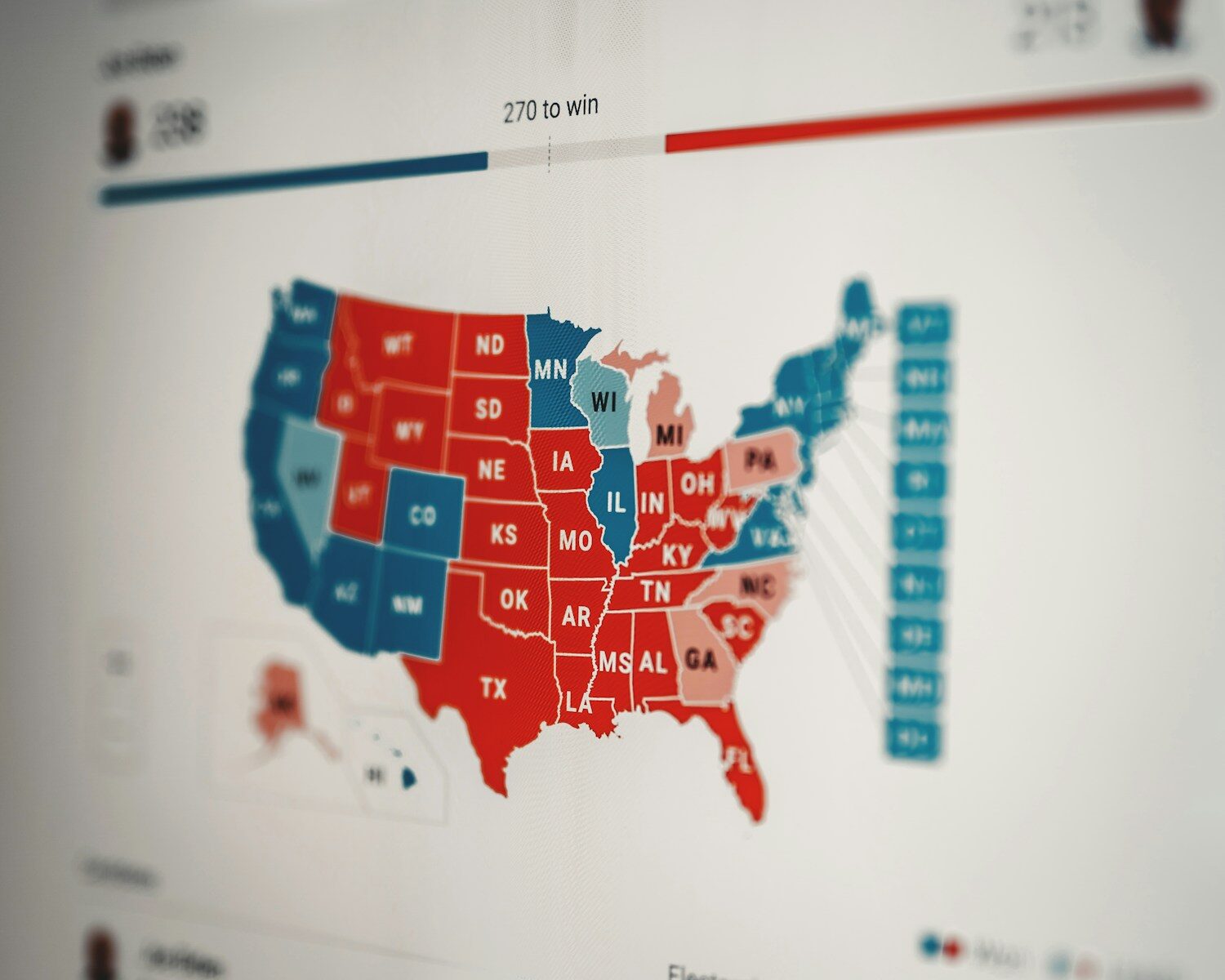
Photo by Clay Banks on UnSplash
Adapting To Modern Communication Needs
Political communication requires continuous learning from everyone involved. Strategies that worked 2 years ago might fail now. Teams must test different writing styles and images to see what resonates best with their target audience.
Data collection helps staff members understand what voters care about most. If a post about economic policy gets high engagement, the team creates more content on that topic. This responsive approach keeps the message aligned with voter concerns.
A unified voice prevents confusion among volunteers and donors. Every staff member must follow the same communication guidelines across all online networks. Clear rules protect the campaign from embarrassing mistakes or conflicting statements.
Navigating the world of online political communication requires flexibility and smart planning. Success comes to teams that listen to the public and adapt to changing trends. The digital space will continue to influence how elections are run and won.
Candidates who master these tools will build stronger connections with the electorate. Staying active online is no longer optional for anyone seeking public office.
Future campaigns will likely rely even more on internet strategies. Building a strong foundation now sets up long-term success. The digital conversation never stops, and prepared teams will lead the way.











Leave a Reply
You must be logged in to post a comment.