

Moving to the Quad Cities? 9 Ways to Make Your New House Feel Like Home

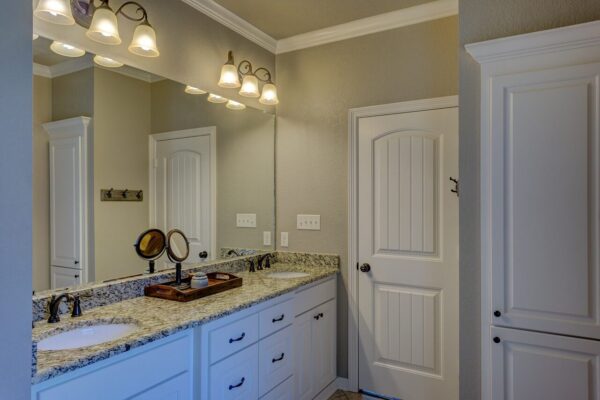
Photo by MART PRODUCTION on Pexels
Moving to the Quad Cities means learning a new neighborhood, unpacking boxes, and working out how you want each room to function. Even after you arrange the furniture, though, a new house can still feel unfamiliar.
You don’t need to redecorate from top to bottom. A few practical changes can make rooms more comfortable and personal. Focus on the features you use every day, then let your home develop as you settle into life in the Quad Cities.
1. Dress Your Windows
Curtains and blinds do more than cover windows. They control daylight, provide privacy, and introduce color and texture, making them a sensible place to start.
Consider each room separately. A bedroom may need curtains that reduce outside light, while a living room might benefit from lighter window coverings. Blinds let you adjust privacy and sunlight throughout the day.
Work with what you already own. Neutral curtains can complement patterned furniture or rugs, while stronger colors can add character to a simple room. If you plan to make curtains, cushions, or other soft furnishings yourself, choosing fabric from Terry’s Fabrics store lets you select a material that works with your existing decor.
Measure the width and drop carefully before ordering or making anything. Accurate measurements will help your window treatments sit properly and look intentional.
2. Unpack Personal Belongings Early
Photographs, books, artwork, and keepsakes can make unfamiliar rooms feel personal, so don’t leave them packed away until every practical job is complete.
Start with belongings you enjoy seeing every day. Place family photographs on a shelf, put favorite books beside your reading chair, or hang artwork from your previous home.
You don’t have to recreate your old rooms. Try familiar possessions in different places. A picture from your old bedroom might work better in the hallway, while a favorite chair could fit perfectly beside a window.
3. Work With Natural Light
Spend a few days watching how sunlight moves through your new home before deciding on permanent furniture positions or paint colors.
A room may get strong morning light but get darker in the afternoon. Arrange furniture around those changes. You could place a reading chair near a bright window or move a television away from direct glare.
Mirrors can help in darker areas. Position one to reflect available daylight into the room. Small changes to furniture placement can often make a space feel brighter without adding more fixtures.
4. Add Lighting Where You Need It
One ceiling light rarely works for every activity. Use several light sources so each room works for your daily routine.
Place a lamp beside the sofa if you read there. Add bedside lamps for softer evening lighting and task lights where you cook, work, sew, or study. Concentrate on the areas you use rather than trying to illuminate every corner equally.
This approach also gives you more control after dark. You can use brighter lighting when you need to concentrate and switch to softer lamps when you want to relax.
5. Use Rugs to Define Spaces
Rugs can soften hard floors and make furniture arrangements look more connected. They also help separate different areas in larger or open-plan rooms.
Choose a rug that suits the scale of your furniture. In a living room, aim for one large enough to reach beneath the front legs of your sofa and chairs. A rug that sits alone in the middle of the floor can make the seating feel disconnected.
In a larger room, use a rug to mark out a seating area while keeping dining or working spaces visually separate.
6. Add Texture Without Creating Clutter
If a furnished room still feels flat, add texture rather than filling it with more decorative objects.
Cushions, throws, curtains, baskets, rugs, and wood can bring warmth to rooms dominated by smooth surfaces. Choose a few materials that complement one another instead of introducing something different with every accessory.
Prioritize items you will actually use. A throw that keeps you warm on the sofa or a basket that stores everyday clutter can add character while serving a practical purpose.
7. Finish Important Rooms First
Trying to decorate every room immediately can make moving more stressful. Start with the spaces that affect your routine most.
Set up your bedroom so you can sleep comfortably. Organize the kitchen so you can prepare meals without opening several boxes to find what you need. Then create a comfortable place to sit at the end of the day.
8. Give Everyday Items a Home
Good organization can make a house feel settled just as quickly as decorating can. Watch where clutter collects during your first few weeks and create storage where you actually need it.
If keys disappear regularly, give them a permanent spot near the entrance. Put shoe storage where your household naturally removes shoes. Create somewhere for mail, bags, and coats so they don’t spread across tables and chairs.
Work with your habits rather than forcing a complicated system. Convenient storage takes less effort to maintain and keeps frequently used rooms easier to live in.
9. Let the Quad Cities Inspire Your Decor
You don’t need to fill every empty wall during your first week. Give yourself time to find pieces that connect your home with your new surroundings.
As you get to know the Quad Cities, you may come across local artwork, photographs, vintage finds, or handmade pieces that you genuinely like. Objects collected over time can carry memories of places you’ve visited and experiences you’ve shared.
Leave room for those finds. A home usually feels more personal when its contents reflect your life rather than a rush to finish decorating.
Final Thoughts
Making a new house feel like home doesn’t require an immediate makeover. Start with practical changes that improve everyday comfort. Dress the windows, arrange useful lighting, unpack meaningful possessions, and create sensible storage.
Then take your time. As you learn how each room works and settle into the Quad Cities, you can make choices based on how you actually live. Your home will gain character naturally, one useful and personal addition at a time.










Leave a Reply
You must be logged in to post a comment.