
How Online Services Are Changing the Midwest: The Quad Cities Case Study
The Quad Cities — Davenport and Bettendorf in Iowa, Rock Island, Moline, and East Moline in Illinois — have long occupied a comfortable middle ground between big-city ambition and small-town warmth. Lately, though, something is shifting. Digital platforms are quietly rewriting how residents discover entertainment, support local businesses, and spend their evenings, and the changes are happening faster than most would have expected.
This isn’t just a local story. The Quad Cities offer a compelling lens for understanding how improved connectivity and digital culture are remaking everyday life across the Midwest — a region that has historically lagged behind coastal metros in broadband access but is now closing that gap at speed.
From Riverfront to Digital: A Shift Begins
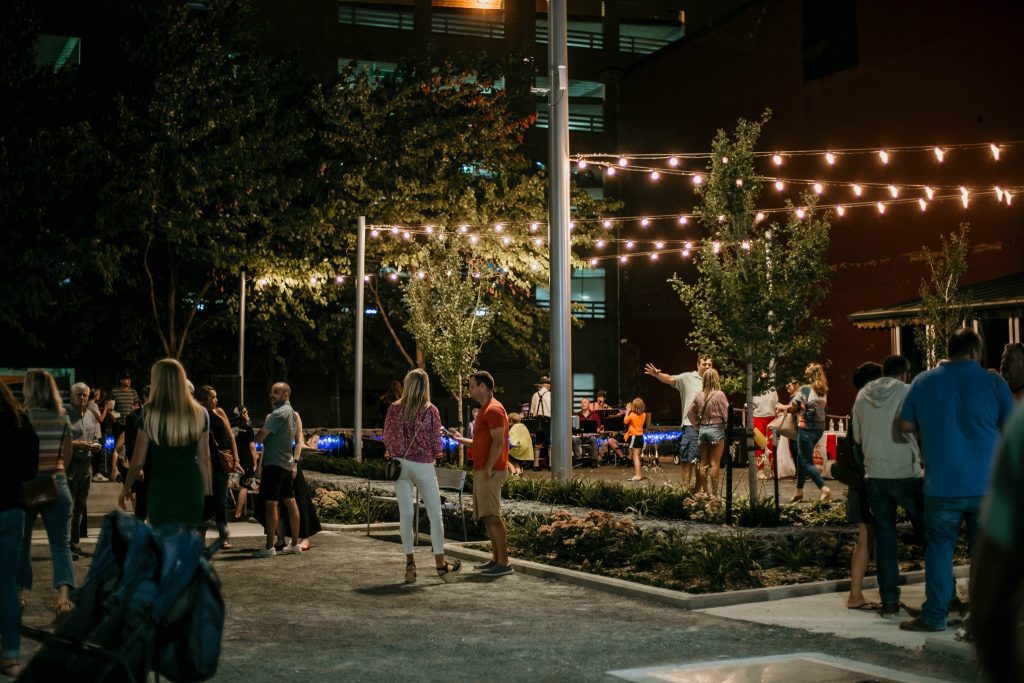
The riverfront has always been central to life here. Summer festivals, riverside dining, and community events have defined the cultural calendar for decades. What’s changed is how residents find out about those events — and increasingly, how they experience entertainment between them.
Local arts organizations like Quad City Arts now run active digital channels, using online calendars, blog updates, and email newsletters to connect audiences with gallery shows and visiting performers. Institutions like Quad City Music Guild promote season tickets and performances entirely through digital channels, replacing the print listings and walk-up box office visits that once dominated. It’s a practical shift, but also a cultural one — digital discovery has become the default.
Local Businesses Embracing Online Tools and Platforms
Small businesses across the metro are leaning hard into digital tools. Restaurants use online ordering platforms and app-based delivery to capture lunch orders and late-night cravings. Boutique retailers maintain social feeds and online storefronts that let remote workers and new arrivals browse before ever setting foot downtown.
Creative entrepreneurs — pop-up chefs, makers, service providers — are using scheduling apps and digital payment tools to build sustainable ventures that wouldn’t have been viable a decade ago.
Entertainment and Leisure Go Digital in the QC
The leisure economy has gone digital too. Online entertainment platforms of all kinds have become part of how residents unwind. Blockchain technology has stirred some waves, as well (and not only on the riverfront): players in the Midwest increasingly use blockchain features and gaming options typical for crypto poker sites, which now offer streamlined, user-friendly experiences that appeal to a broader audience. Those options include registration without identification (crypto wallets do it), immediate funding and withdrawal, and increased data security.
The entertainment week for a typical Quad Cities resident has become genuinely hybrid. Streaming series and on-demand films fill weeknights at home, while community theater productions, live concerts, and weekend festivals — discovered and ticketed online — anchor the social calendar. Local arts columns and regional publications now treat streaming platforms as a baseline assumption, not a novelty.
This convergence of at-home and in-person entertainment depends heavily on reliable broadband. In 2026, Comcast announced a significant infrastructure expansion into the Quad Cities, marking the company’s first investment in Iowa and adding the state as its 40th market, as detailed in this industry report. That investment — bringing symmetrical speeds up to 100 Gbps for businesses — signals that the region is being taken seriously as a growth market for high-capacity connectivity.
What the Quad Cities Tells Us About the Midwest
The Quad Cities case study illustrates something important: digital transformation in smaller metros isn’t a straight line. Infrastructure improvements are real and accelerating, but access gaps persist. Research from the Social Needs Investment Lab found that in 2023, only 54% of U.S. households earning under $25,000 per year had reliable home internet access, compared with 80% of those earning $100,000 or more. That divide shapes who participates in the digital culture now central to local arts, entertainment, and commerce.
For the Quad Cities and the Midwest broadly, the story ahead isn’t just about laying fiber — it’s about ensuring affordability and adoption keep pace with availability. The region has the cultural assets, the community infrastructure, and now the growing connectivity to compete. Whether the benefits reach everyone equally will define what kind of digital future actually takes root here.





Leave a Reply
You must be logged in to post a comment.