

Gearing Up for the Great River Trail: The Science Behind Your Bike Ride
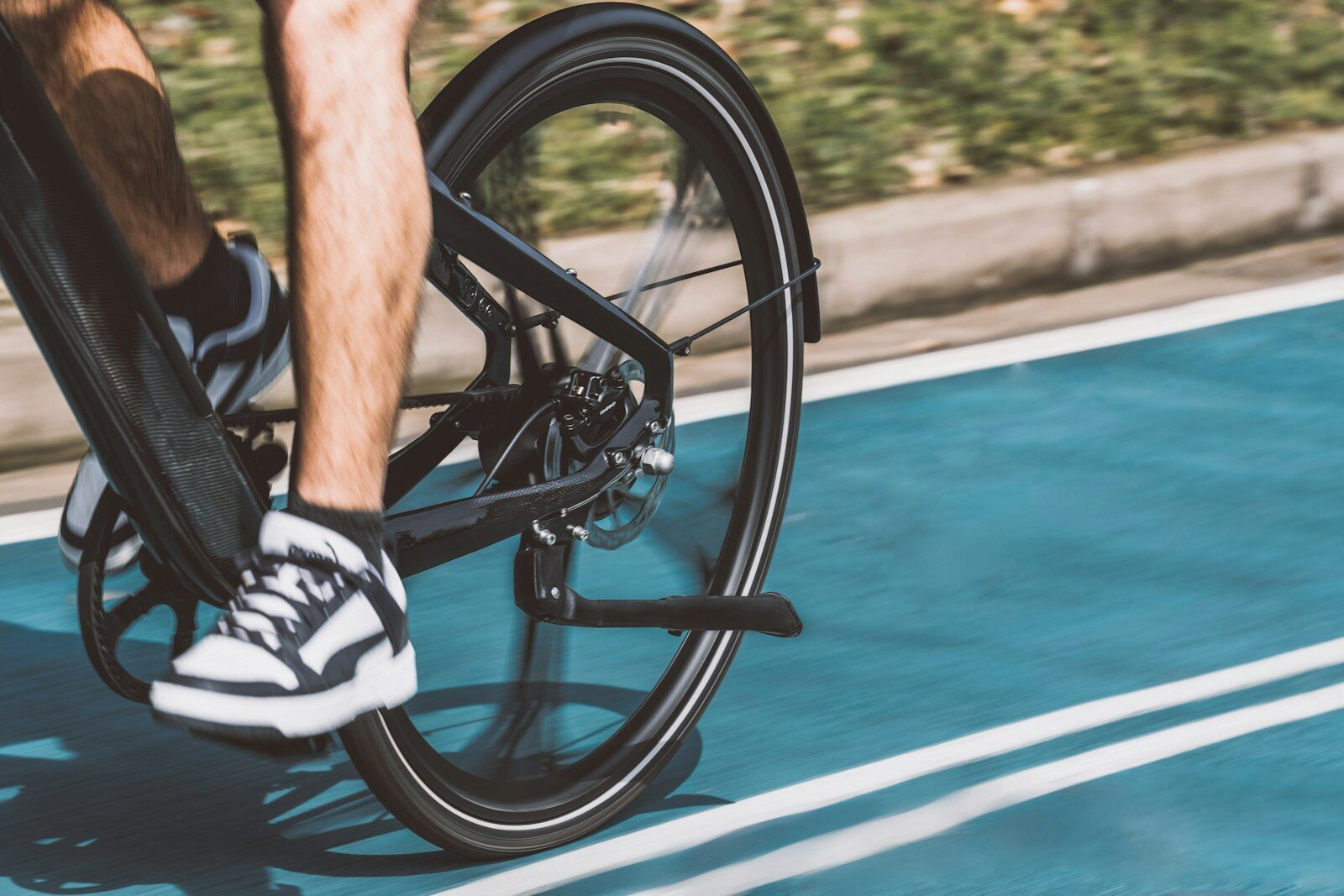
Photo by TruckRun on UnSplash
Pulling the bike out of the garage for the first long ride of the season always feels like a small win.
You air up the tires, roll toward the Great River Trail, and the first few miles out of Moline or East Moline feel easy. The Mississippi is right there, the path is moving under you, and the bike feels as if it remembered summer before you did.
Then the wind shifts. Or the trail rises just enough to matter. Suddenly, your legs feel heavier than they should.
It is tempting to blame fitness, age, or one too many quiet weekends. Sometimes that is part of it. Often, though, the bike is asking your body to work harder than it needs to. A low saddle, a gear that is too heavy, or tires that have gone a little soft can turn a pleasant riverfront ride into a grind.
Finding the Right Saddle Height
A saddle that is too low feels reassuring at first. You can put both feet down at a stoplight, and that seems safer, especially if you are getting back on the bike after a long break.
The trouble starts once you pedal for more than a few minutes. A low seat keeps the knee bent too much throughout the stroke, so the joint does more work than it needs to. The ride may still feel fine at River Drive. By the time you are farther along the trail, the front of the knee may have a different opinion.
The Hospital for Special Surgery’s cycling tips give a more useful target. At the bottom of the pedal stroke, the knee should still have some bend, roughly 25 to 35 degrees. In everyday riding terms, that means your leg is almost extended, but not locked straight.
Raise the seat a little, and the bike changes. The bigger muscles in your legs get a fairer share of the job, and each pedal stroke feels less cramped.
There is a limit, of course. If your hips rock from side to side while you pedal, the saddle has probably gone too high. Bring it down a touch and try again. Bike fit is rarely a one-and-done adjustment.
Understanding Your Gears and Cadence
Once the seat feels right, the next energy thief is usually the gear.
Many casual riders pick a heavy gear because it feels strong. Each push moves the bike farther, so it seems efficient. For a short burst, maybe. Over a longer ride, mashing a big gear wears out the legs quickly, especially when the trail is windy or slightly uphill.
Cadence is the less obvious part of the ride. It simply means how fast you turn the pedals. A lighter gear with a smoother spin asks less from each push. Your breathing may work a little more, but your leg muscles are less likely to burn out early.
That is where a gear ratio calculator is useful if you want to understand what your bike is actually doing. Chainring teeth, rear cogs, and wheel size all change how far the bike travels with each pedal stroke. The numbers explain why one gear feels easy, and another feels like dragging a boat anchor up the trail.
You do not need to ride like a racer. The point is simpler: if your legs are fading too soon, shift before they complain.
Tire Pressure and Rolling Resistance
Then there are the tires, which are easy to ignore until they are a problem.
Under-inflated tires spread more rubber across the pavement. That extra contact adds rolling resistance, so the bike requires more effort just to keep the same pace. A slightly soft tire may not look dramatic in the garage, but it makes itself known after a few miles.
Before heading to Hampton or Port Byron, check the sidewall for the recommended PSI range. A floor pump with a gauge takes the guesswork out of it. Too little pressure feels sluggish. Too much pressure can make the ride harsh, especially on rougher patches of pavement.
The sweet spot depends on the tire, the bike, and the rider. Still, starting with the recommended range is better than squeezing the tire with your thumb and hoping for the best.
Planning Your Next Ride
Cycling should feel like a good way to see the Quad Cities, not a test you signed up for by accident.
A few small checks change the ride more than most people expect. Seat height affects how your knees and hips share the work. Gear choice decides whether your legs grind or spin. Tire pressure quietly shapes every mile.
Once the bike feels dialed in, the better question is where to stop next. A weekend ride can turn into lunch near the river, live music later in the day, or a detour built around local attractions in the Quad Cities.
That is the nice part about riding here. The trail is not just a workout route. It is a way through the riverfront, the parks, the neighborhoods, and the small plans that make a Saturday feel like it did something.









Leave a Reply
You must be logged in to post a comment.