
Why Winter Is Actually The Quad Cities’ Busiest Arts Season
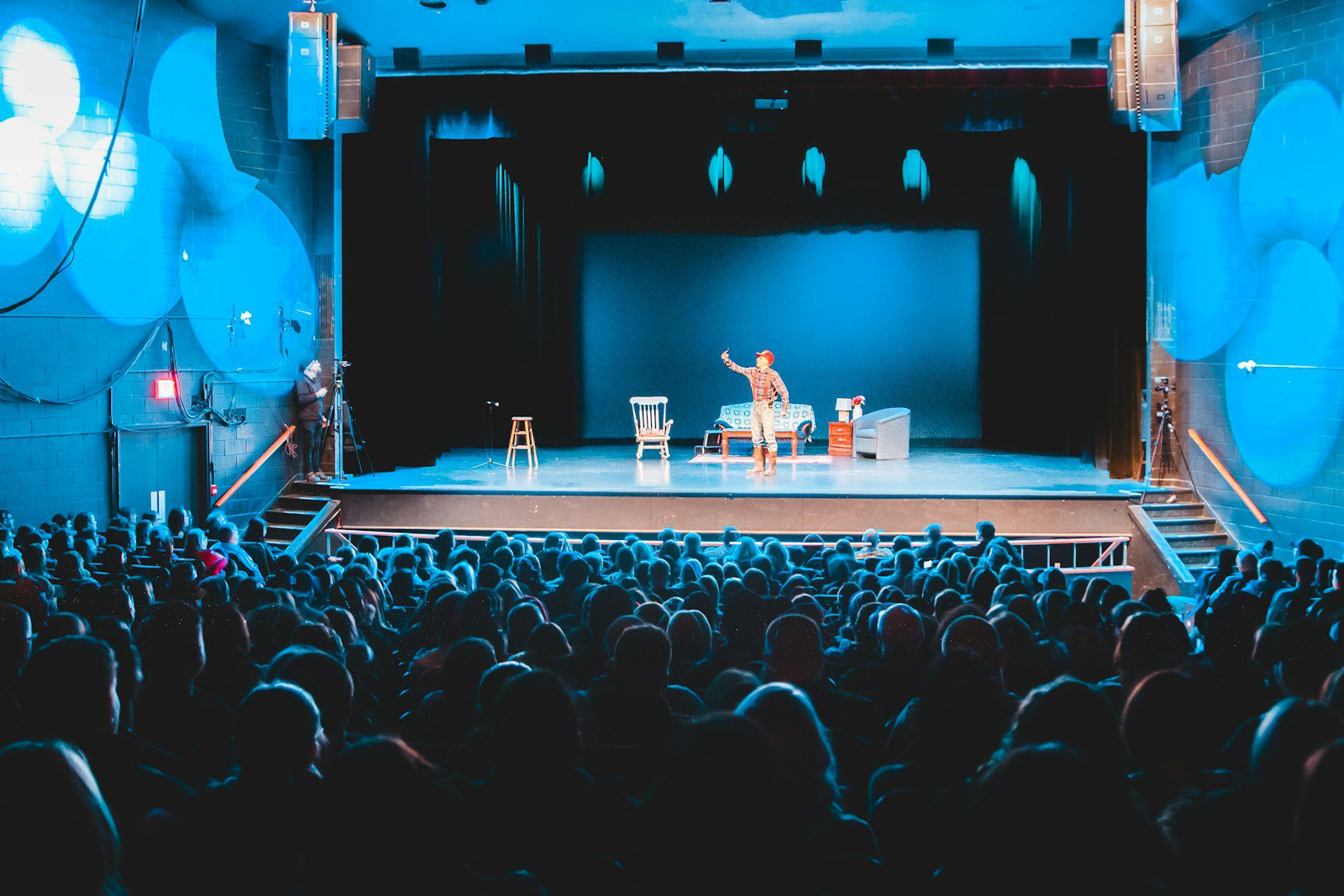
Photo by Erik Mclean on Unsplash
By the time winter settles in along the river, a familiar assumption tends to surface: things must slow down. Colder nights, shorter days, fewer reasons to venture out. Yet anyone paying attention to the Quad Cities arts calendar knows that idea doesn’t hold up for long.
What quietly happens instead is a shift. As outdoor festivals fade, indoor culture steps forward. Theatre lobbies fill, gallery openings feel more intimate, and audiences arrive with intention. Winter doesn’t thin the scene here—it concentrates it.
The Winter Slowdown Myth
The belief that winter equals cultural downtime ignores how the Quad Cities have adapted. Rather than scattering events across the year, many arts organizations cluster their most ambitious programming between November and March. It’s a practical response to the weather, yes, but also a strategic one.
Dinner theatres, ballet companies, and touring productions all operate on overlapping schedules during these months. That density creates momentum. A weekend downtown might include a matinee, a gallery opening, and a late dinner, all without stepping outside for long. The season feels busy because it is.
More importantly, winter audiences show up differently. They plan ahead, commit to tickets, and make an evening of it. When getting out takes effort, people tend to value the experience more.
Indoor Stages Take Over
Nowhere is this more obvious than on the region’s indoor stages. From Circa ’21 to the Adler Theatre, winter is when flagship productions run longest and draw the widest mix of locals and visitors. These venues become social anchors, pulling people out of their homes and into shared spaces.
At the same time, entertainment habits have grown more layered. On a cold night, residents might weigh a live show against streaming a comforting series or trying to find the best telegram casino bonuses to enjoy some gambling from the warmth of home and without overspending. Many decide that being part of a live audience still offers something digital platforms can’t replicate. That tension hasn’t weakened the arts—it’s sharpened them.
National research into audience behavior supports that shift, with performing arts audience data indicating “strong ticket sales with no signs of audience price sensitivity”. Winter, with its focused schedules, benefits from that mindset.
How Audiences Spend Cold Nights
The real change isn’t fewer options—it’s more choice. Winter evenings now involve an active decision between staying in or stepping out. According to YouGov research, many people still enjoy going out in the winter, with 32% attending indoor performances, 21% going to the theatre, and 18% enjoying concerts.
That balance plays to the Quad Cities’ strengths. Arts venues aren’t competing with summer distractions like travel or outdoor events. Instead, they’re part of a smaller, more deliberate set of options. When people choose a show, they’re choosing connection—something that feels especially valuable during the colder months.
You can see it in the crowds. Performances feel attentive. Post-show conversations linger. Winter doesn’t dilute the audience; it distils it.
Rethinking The Quiet Season
Viewing winter as “off-season” also misses its economic weight. Arts and cultural tourism are a steady engine here, not a seasonal indulgence. Official figures show that tourism supports about 9,220 jobs across the region and contributes to a $1.38 billion annual visitor economy.
A significant share of that activity happens indoors, precisely when the weather turns. Winter programming keeps restaurants busy, hotels occupied, and downtowns active. It also reinforces the idea that culture isn’t something we pause when it’s cold.
If anything, winter reveals how central the arts are to the Quad Cities’ identity. When the river freezes and the nights grow long, the stages light up—and the community gathers.







Leave a Reply
You must be logged in to post a comment.