

Why Preserving Your Exterior Timber Is Crucial For Value
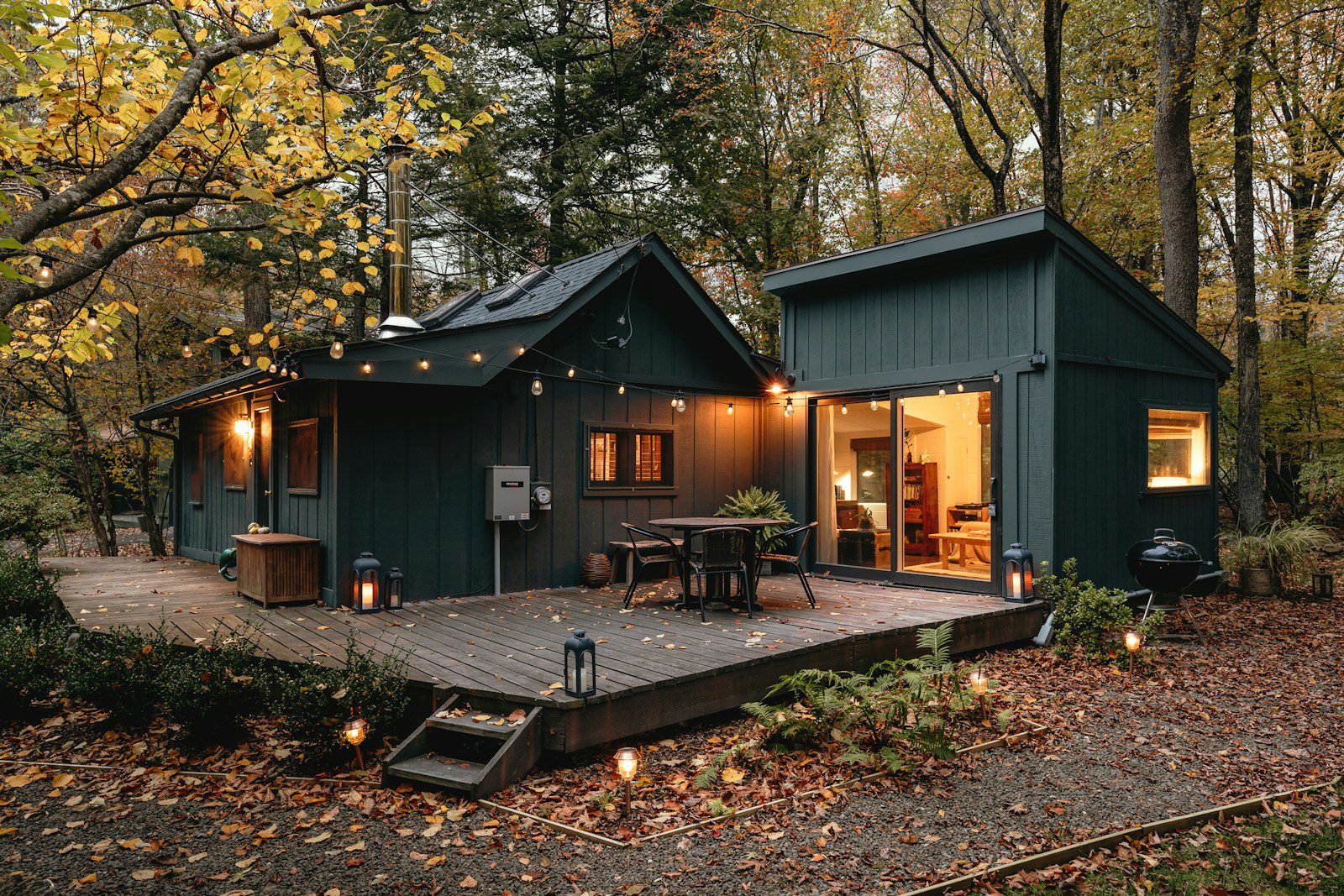
Photo by Clay Banks on Unsplash
Curb appeal begins where wood meets weather, and buyers notice the difference between tired boards and timber that looks cared for. Preserving exterior wood is not only about appearance, but it is also about protecting structure, safety, and the quiet confidence that a property has been maintained with intention. When timber stays sound, repairs are smaller, schedules are calmer, and valuations reflect durability rather than deferred work. With a steady routine and smart choices, you can keep wood surfaces rich in tone and strong underfoot while strengthening the long-term value of your home.
Weather, Moisture, And The Science Of Timber Degradation
Sunlight, rain, and temperature swings push timber to expand and contract, which opens tiny pathways for moisture. Ultraviolet light also breaks down surface fibers, causing a gray cast and a rougher texture that absorbs water more easily. Once moisture lingers, fungal growth can begin beneath the surface, and fasteners start to loosen as fibers swell and shrink. Even well-designed decks and claddings need a protective finish that blocks water and slows UV exposure so the cycle never gains momentum. Regular cleaning removes biofilm and dirt that trap moisture against the grain, which keeps pores clear for a fresh coat to bond. The science favors owners who act early, because prevention asks for light touch-ups while reversal demands cutting, replacing, and costly downtime.
Maintenance That Protects Structure And Finish
A simple calendar keeps exterior wood healthy with small, predictable tasks. Wash gently to remove pollen, dust, and residue, then inspect for hairline cracks, lifted knots, and fasteners that sit proud of the surface. Where traffic is heavy, or the sun is strong, sand lightly and apply a high-quality sealer or stain that soaks into the grain rather than forming a brittle film. If a deck or handrail needs a larger refresh, compare material options and profiles before you commit, and explore premium choices like platinum decking if you want a finish that pairs rich color with low upkeep. Follow the manufacturer’s cure times so the coating sets properly, then test runoff after the first rain to confirm water beads and leaves no dark marks. These habits keep finishes flexible, boards dry, and structures secure through shifting seasons.
Smart Design Choices That Extend Service Life
Design details decide how well timber sheds water and breathes after a storm. Boards that sit with a slight gap allow airflow, which speeds drying and prevents cupping that would otherwise appear where the sun hits unevenly. End grain needs special care because it drinks water quickly, so sealing cut edges during installation pays dividends for years. Stainless or coated fasteners resist staining and keep clamping force steady, which protects joints from wobble that can crack coatings. Where posts meet soil or concrete, use bases that lift wood clear of splash zones so the leg never wicks moisture upward. When these choices work together, timber ages with grace and holds its true dimensions despite harsh weather.
Energy, Comfort, And Everyday Use
Preserved exterior timber improves daily life in ways that go beyond cosmetics. Smooth, sealed boards feel better under bare feet, and splinter-free handrails invite safe movement for kids and guests. Window trim and sills that shed water protect interior finishes from sneaky leaks, which keeps rooms quiet and dry after summer storms. Shaded pergolas with treated beams reduce heat gain on patios and protect furniture fabrics from fading, which extends comfort and longevity. Even simple benches benefit from regular oiling, because the surface stays comfortable to the touch and resists grime that would otherwise accumulate in seams. A cared-for exterior becomes a place you want to use more often, which is the most practical return on maintenance you can get.
Repair Planning That Preserves Value
Not every board needs replacement when wear appears, and a thoughtful plan can save both time and structure. Probe suspect areas with a small awl to distinguish surface checking from deeper softness, and mark sections that truly require removal. Replace boards in clusters where structure demands uniform strength, and bridge color differences with a full surface coat so the repair vanishes to the eye. Keep a small stock of matching boards and fasteners on hand so you can act quickly after a storm without waiting for supply deliveries. Document each repair with photos and dates, then store receipts and product details in a single folder so future buyers can see the story of care. Clear records anchor appraisals and make inspections smoother because they demonstrate a pattern of responsible ownership.
Valuation, Insurance, And Market Confidence
Appraisers and insurers look for evidence that exterior systems will stay reliable across seasons, and timber is a visible signal. Decks with tight rails, straight lines, and a healthy finish suggest a home that is easy to live in and less likely to generate claims. During a sale, clean cladding and crisp trim lift photography and reduce objections at the walk-through, which speeds decisions and supports stronger offers. Maintenance also aligns with underwriting questions about life expectancy for exterior elements, which can influence premiums in subtle ways. Even if you are not selling soon, these benefits accumulate because perceived care becomes part of neighborhood reputation and personal pride. Preserved timber speaks quietly, yet it moves hearts and calculators in your favor.
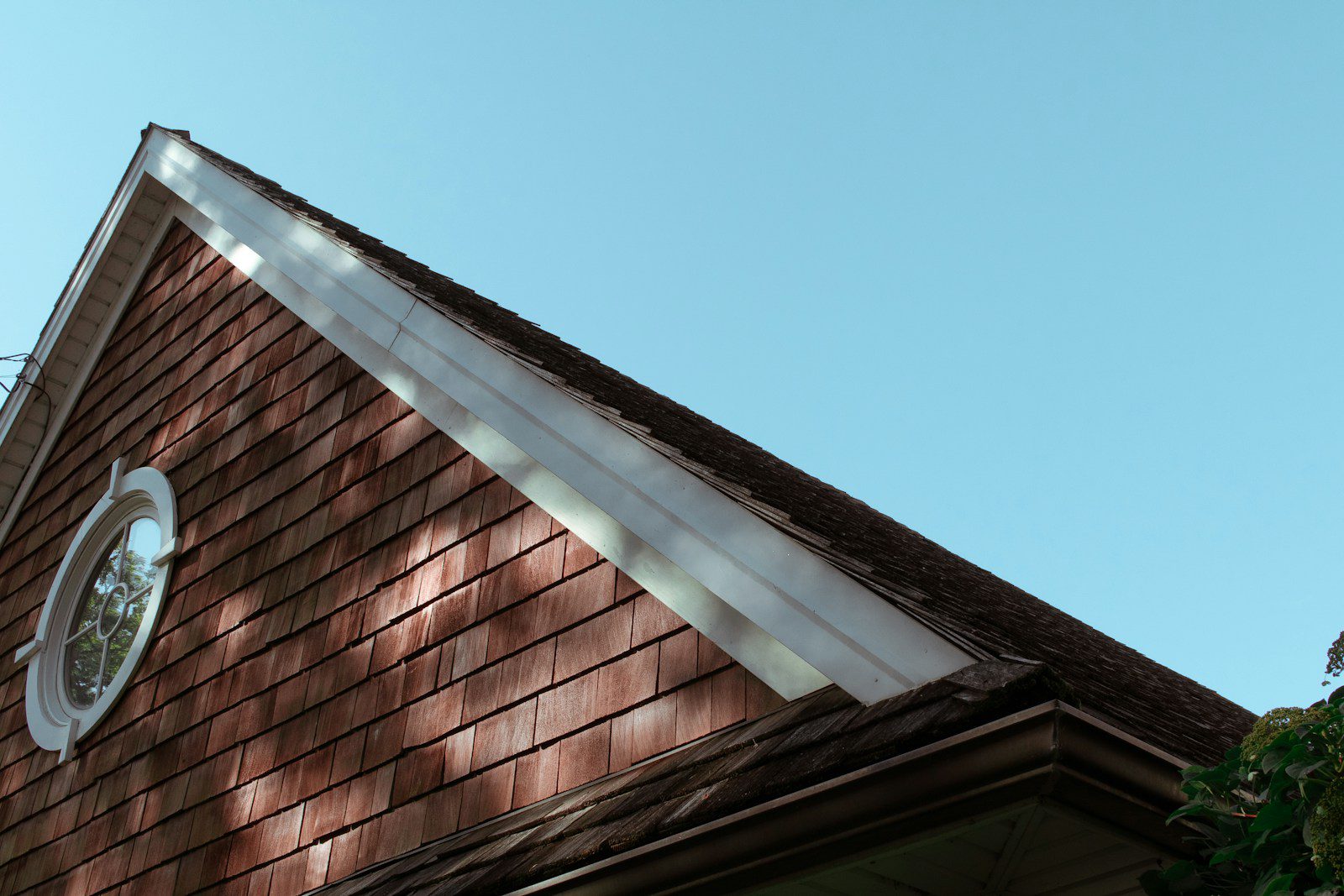
Photo by Ed Vázquez on Unsplash
Preserving exterior timber is about more than stain on a sunny weekend. It is a steady conversation between design, protection, and timely repair that keeps moisture out and strength in. When you plan finishes, respect drying paths, and act on small flaws before they spread, wood rewards you with beauty that lasts and structure you can trust. The result is a property that looks composed, functions safely, and holds value through changing seasons and changing markets. With that foundation in place, you can enjoy the spaces you have built and know that the investment beneath your feet will keep serving you well.











Leave a Reply
You must be logged in to post a comment.