

Why Hydraulic Components Are Key to Safe Public Infrastructure
There are so many things you use every single day without a second thought.
The bridge you use to get across the river, the dam that gives you water and electricity, the fire truck that races when you report an emergency, and even the elevator in the public library. This is what’s called public infrastructure, and it’s what keeps all of us safe and moving.
What do you think makes all these massive, heavy things work properly? How do they stay safe? It’s hydraulics.
Hydraulics sounds like a complicated term you’d hear engineers use, but essentially, these systems use fluid power to create force. Immense force, for that matter, and extremely precise.
You really can’t overestimate their importance in our infrastructure.
How Hydraulics Keep Our Infrastructure Running
Okay, let’s get into the nitty-gritty of how hydraulics keep our infrastructure (and us!) going.
The simplest way to describe it would be to imagine hydraulics, like the ones made/offered by companies that specialize in high-quality hydraulic parts, such as Mission Hydraulics, as both the muscle and the fine-tuned control system for some of the biggest machines society has built.
At its heart, a hydraulic system is actually pretty simple – it uses a fluid (usually oil) that can’t be squished to transmit force from one place to another. So when you push on that fluid in one spot, it momentarily transfers that push to another spot. This is how all those unimaginably heavy things move easily and with precision.
The public infrastructure depends on that one simple principle.
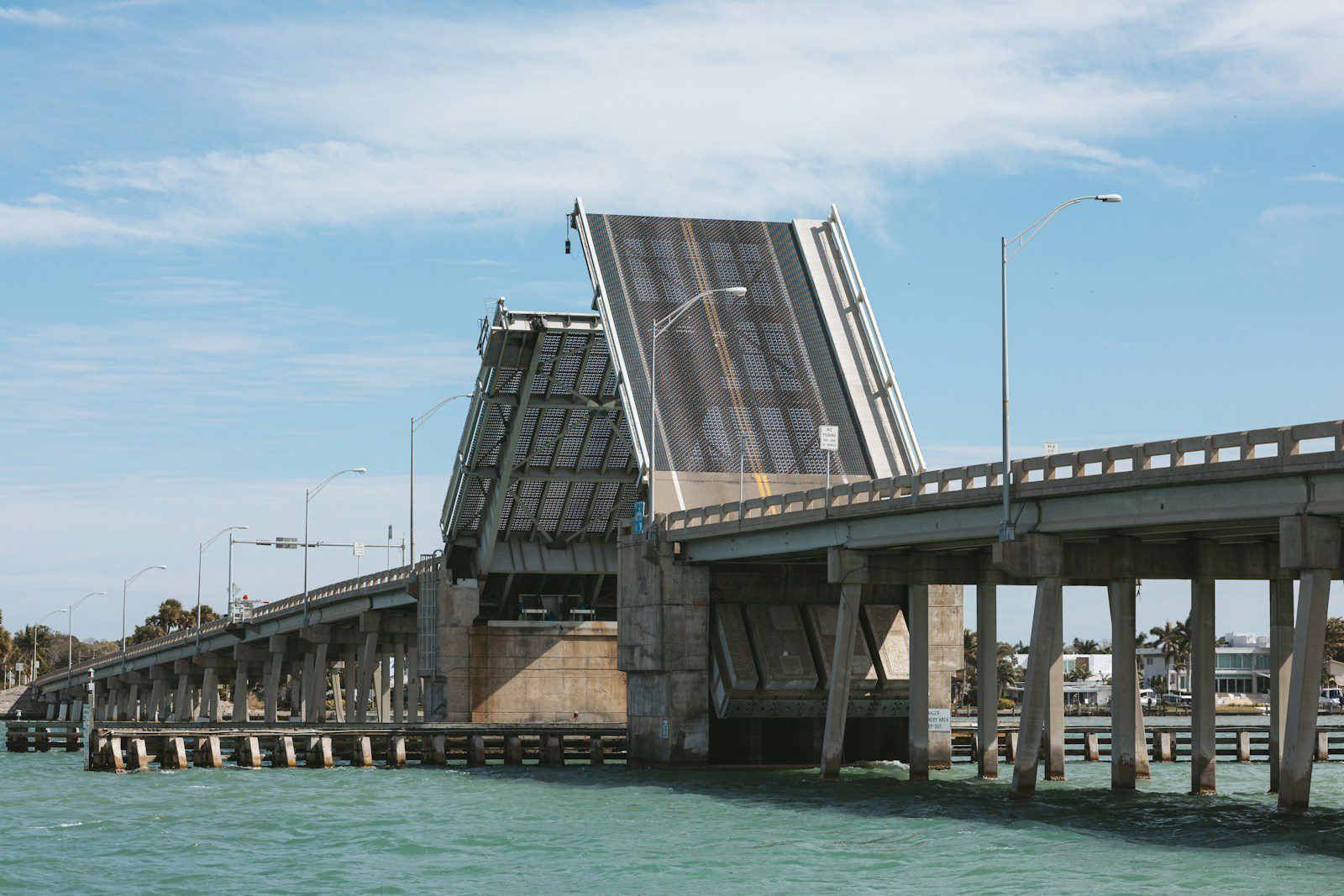
Look at a drawbridge, for example. You need a tremendous amount of force to move a road-covered steel section. What makes this even more complicated is that the force has to be smooth and controlled. Hydraulic cylinders do that heavy lifting, and they do it safely.
If you look at a dam, you’ll find hydraulic systems on valves and gates.
They’re what controls the flow of all those millions of gallons of water, and even in your local water treatment plant, you’ll find hydraulics. They’re managing the pressure and flow of water through the cleaning process, and thanks to that, the water that comes out of your tap is safe.
The reason why hydraulics are so widely used is because of how safe they are.
They’re incredibly reliable under an insane amount of pressure, and they’re literally designed to handle immense forces without wearing out quickly. You count on that reliability every time you drive across a movable bridge; you just don’t know it.
Also, they allow you to control them, which makes them precise.
All it takes is a touch of a lever, and you can manage the slow release of water from a dam or precisely position a section of the bridge.
Hydraulic Components That Make Infrastructure Safe
So now you know how important hydraulic systems are. Let’s see the parts inside them that do the work.
Pumps
The power starts in the hydraulic pump. Its job is to move the hydraulic fluid through the system and create the necessary pressure.
It’s basically like a core engine.
This is what keeps the water moving at a steady pace through filters and cleaners in a water plant. It’s also what creates the force that lifts the bridge.
In short, the system doesn’t work without the pump because it’s what builds that initial pressure.
Cylinders
In order to turn fluid power into physical movement, you need hydraulic cylinders.
They extend or retract, and when you direct pressurized fluid into the cylinder, it pushes a piston to create a massive linear force. This right here is the part that does the work you can see, like lowering a flood barrier or positioning a heavy lock gate.
In terms of safety, they’re important because of their controlled power – it’s thanks to them that we can move enormous weights slowly and precisely.
Valves & Accumulators
These are the components that protect the system’s power.
Valves direct the flow of fluid and regulate its pressure. They also decide exactly how much force goes into the cylinders, which is how operators have that fine control over such massive machinery.
Accumulators are pressure reserves. This means that they store pressurized fluid, so if there are sudden demands for extra power, the system can handle it. In addition to this, the storage serves to keep the system running if the pump fails for a moment.
Together, valves and accumulators make sure that the force is always applied in a smooth and reliable manner, plus they prevent dangerous surges or unexpected stops.
Conclusion
You know, it’s so funny how you walk over bridges and turn on taps without even thinking about what makes it all possible. And it’s not you specifically; everyone takes stuff like this for granted. It’s easy to forget about the incredible engineering that’s responsible for people living comfortably.
But as you’ve clearly seen, reliability is anything but accidental, so maybe next time you see a bridge lift to allow the ship to pass, you’ll appreciate it just a little bit more.











Leave a Reply
You must be logged in to post a comment.