

Why Consistency Is Key In Achieving Successful Dog Training Results
Training a dog requires more than commands and rewards. Success comes from structure, repetition, and reliability that guide a dog toward expected behavior. Dogs thrive on predictability, and when training methods remain steady, they learn faster and retain lessons for longer periods. Without consistency, confusion sets in, which can lead to setbacks, unwanted behaviors, or even the worsening of challenges that the owner is trying to correct. For dog owners who want lasting progress, consistency is not just helpful; it is the foundation of training itself.

Photo by Sarah Shull on Unsplash
Addressing Aggression Through Reliable Training
Dogs with aggressive tendencies present unique challenges, and a consistent approach is even more significant in these cases. Sudden outbursts, growling, or biting often stem from fear, territorial instincts, or a lack of boundaries, making it critical that training methods never change unpredictably. When working on training for aggressive behaviour in dogs, the owner must deliver the same signals, corrections, and rewards every single time so that the dog does not receive mixed messages. Inconsistent discipline may increase aggression, since the dog never learns what is expected and becomes frustrated. Consistency reassures the dog, helping them recognize clear boundaries while reducing their anxiety and creating an environment where safer behavior can take root.
Building Trust Through Predictable Patterns
Trust forms the backbone of the relationship between a dog and its owner. Dogs quickly learn to rely on consistent cues, whether that comes in the form of tone, body language, or daily routines. When owners remain steady in their actions, the dog feels secure and is less likely to react with nervousness or resistance. Predictable training methods help dogs anticipate outcomes, which removes uncertainty. Over time, trust deepens because the dog knows that each command or correction means the same thing today as it did yesterday. This steady pattern of interaction leads to a stronger bond, where the dog looks to the owner for guidance and willingly follows.
Reinforcing Desired Behavior
Every moment with a dog provides an opportunity to reinforce good habits. Training works best when positive behaviors are rewarded consistently and negative actions are addressed without exception. A dog that is rewarded one day for sitting quietly but ignored the next for the same behavior will struggle to connect the action with the outcome. Repetition locks the lesson into place, creating a permanent association. When an owner reacts in the same way every single time, whether with praise, treats, or toys, the dog understands the connection more quickly and is eager to repeat the behavior. Inconsistency, by contrast, leads to confusion and may slow or completely block progress.
Preventing Regression and Setbacks
Training does not end once a dog learns a command. Without regular reinforcement, behaviors can fade away, and undesirable habits may return. Dogs live in the present and rely heavily on routine, so any change in consistency can undo weeks or months of progress. Allowing a dog to pull on the leash occasionally after weeks of firm training sends the message that the rule is flexible. Once the dog believes the boundaries shift, they are far more likely to test those boundaries again and again. By maintaining steady expectations, owners prevent backsliding and keep progress on track, reducing frustration for both dog and trainer.
Creating Structure in Daily Life
Consistency extends beyond training sessions into every part of a dog’s life. Feeding schedules, walking routines, and playtime all shape how a dog interprets the world. Structure reassures the dog and reduces anxiety, particularly for breeds that thrive on routine. When daily activities remain steady, training becomes easier, since the dog knows when to expect attention, work, and rest. This structured environment also reduces opportunities for misbehavior, as the dog learns what happens at each point in the day and is less likely to act out of boredom or uncertainty. A structured life pairs seamlessly with training by reinforcing the same themes of predictability and reliability.
Supporting Long-Term Success
The ultimate goal of any training program is long-term behavioral success, and consistency guarantees that progress holds steady over time. When training methods remain the same from the earliest lessons into adulthood, the dog retains what they learned and integrates those behaviors into their daily life. Dogs trained with this steady approach adapt more easily to new environments or challenges, since the lessons of predictability remain ingrained. Owners who remain consistent not only raise obedient dogs but also create balanced companions who understand boundaries and expectations. This foundation supports harmony in the home and allows the bond between dog and owner to flourish for years to come.
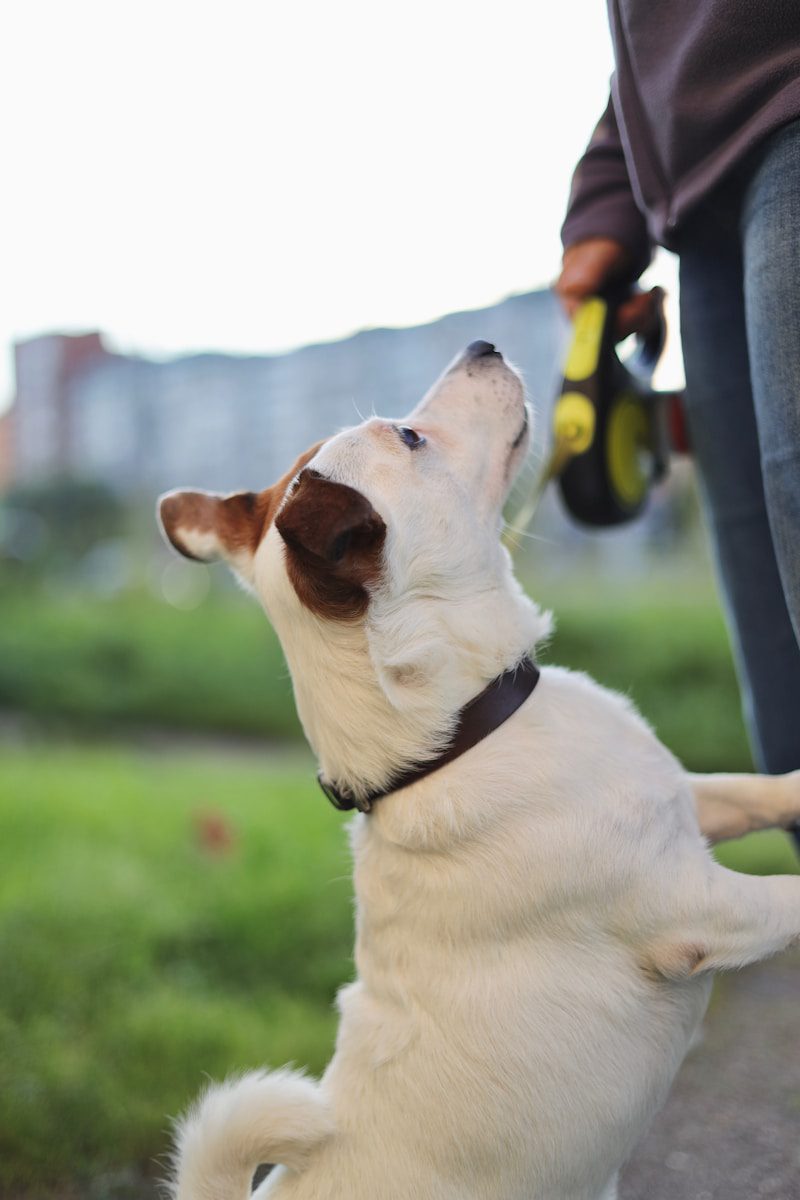
Photo by Anastassia Anufrieva on Unsplash
Consistency serves as the backbone of effective dog training. Whether addressing aggression, building trust, reinforcing positive behavior, or preventing setbacks, steady methods make all the difference. Dogs rely on clear, predictable patterns to understand their place in the home, and when training reflects that stability, they respond with confidence and obedience. Through structure and repetition, owners build trust, prevent regression, and create an environment where lessons last a lifetime. The path to success in dog training is not about complicated methods but about staying steady and reliable every step of the way.











Leave a Reply
You must be logged in to post a comment.