

Why Collisions With Commercial Vehicles Rarely End at the Scene
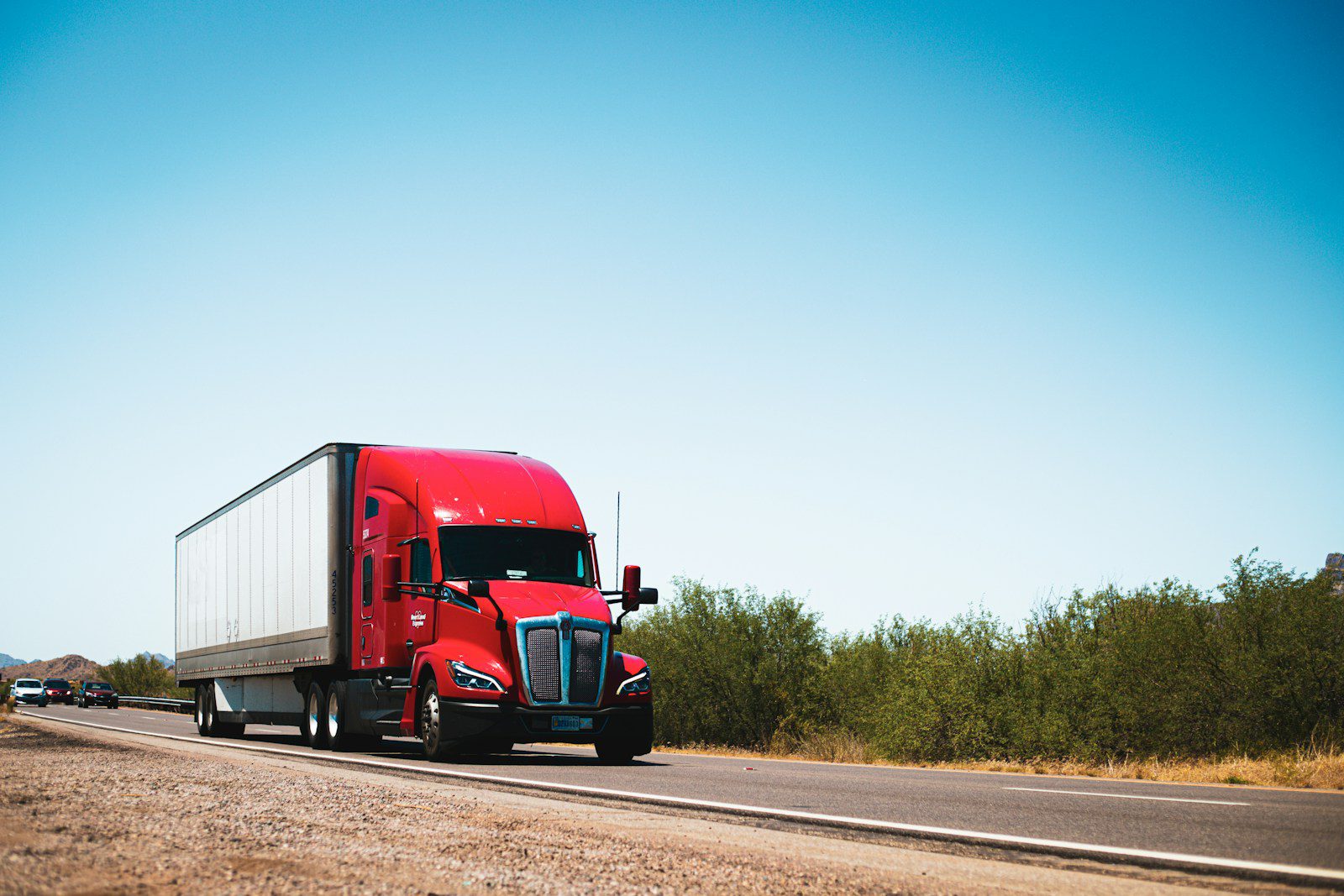
Photo by Tom Jackson on Unsplash
Why the Aftermath Matters More Than the Impact
Across the Midwest, commercial vehicles are a constant presence on major roadways. Routes connecting regional cities, distribution centers, and urban hubs carry steady freight traffic throughout the day and night. When a collision involving one of these vehicles occurs, the disruption often extends well beyond the moment traffic comes to a stop.
For many drivers, the immediate concern is clearing the roadway and getting home safely. Yet collisions involving commercial transport often have consequences that surface later. Medical problems, insurance questions, and formal reviews can persist long after traffic resumes, particularly on routes connecting smaller metro areas with larger cities where freight activity is concentrated.
Understanding why these incidents unfold this way requires looking beyond the crash itself. The nature of commercial travel, the vehicles involved, and the regions they move through all shape what happens next.
How Vehicle Size and Weight Change the Nature of a Collision
Commercial vehicles moving through Midwest corridors operate under conditions that differ significantly from those of passenger cars. Their size, weight, and braking requirements are designed for long-distance hauling rather than short, local trips. When these vehicles are involved in a collision, the physical forces involved are often far greater than many drivers expect.
On highways linking regional communities to major logistics centers, these vehicles tend to travel at consistent speeds over long distances. Sudden changes due to congestion, construction, or weather can have severe impacts. While initial damage assessments may focus on visible issues, the force involved can affect occupants in ways that are not immediately apparent.
Because of this, collisions involving commercial vehicles are often evaluated differently from the outset. Vehicle scale and operating context influence how injuries, damage, and responsibility are later reviewed.
Why Injuries Often Appear Hours or Days Later
Drivers traveling regional routes may expect a straightforward resolution after a collision, especially if they leave the scene without obvious injuries. However, high-force impacts common to commercial vehicle collisions can produce symptoms that develop gradually.
Medical providers frequently observe delayed pain and mobility issues following these incidents. Neck, back, and joint injuries may worsen as daily activities resume. This delay can complicate recovery for individuals who commute regularly or travel between cities along busy freight corridors.
The Complications That Begin After the Scene Clears
Once a vehicle leaves the roadway, the consequences of a collision involving a commercial vehicle often escalate. This is especially true along Midwest routes connecting regional cities to major transportation and logistics hubs. High-volume corridors leading into and out of Illinois routinely involve operators based in or passing through metropolitan areas such as Chicago, where freight activity is heavily concentrated.
In these situations, responsibility is rarely limited to a single driver. Commercial operations are subject to layered requirements that may include employer policies, maintenance standards, route assignments, and federal or state regulations. Accident reports can trigger internal reviews, insurance responses, and documentation requests that extend far beyond what follows a typical traffic incident.
Geography also plays a role. Collisions occurring outside major cities may still involve companies, insurers, or regulatory frameworks tied to urban centers where vehicles are registered or managed. For individuals injured along these routes, understanding how location affects jurisdiction and accountability becomes increasingly important over time.
As these factors come into focus, many people recognize that the path forward involves more than medical recovery or vehicle repairs. The combination of delayed injuries, commercial oversight, and regional logistics often leads injured parties to seek guidance from professionals familiar with Illinois-based cases, particularly those who choose to talk to a Chicago rear-end truck accident lawyer once the broader scope of the situation becomes clear.
Navigating the Financial Impact Beyond Vehicle Repairs
The financial effects of a collision involving a commercial vehicle often extend beyond the cost of repairing a car. Medical expenses can accumulate quickly when injuries require ongoing treatment, physical therapy, or follow-up evaluations. Even short interruptions to work may create lasting strain.
Lost income is a frequent concern, particularly for those whose jobs require physical activity or consistent attendance. Time away from work for medical appointments or recovery is not always fully covered, and delays in compensation can add pressure during recovery.
Additional costs may emerge over time, including prescription medications, mobility aids, or home adjustments. Travel expenses related to medical care or administrative appointments can also factor into the long-term financial picture. Clear documentation helps connect these losses to the collision.
Learning From Data and Safety Research
A growing body of research and traffic analysis supports the lasting consequences of commercial vehicle collisions. Studies examining collision dynamics, injury outcomes, and roadway patterns consistently show that incidents involving larger vehicles are more likely to result in serious harm and extended recovery.
Researchers analyzing commercial vehicle crash data have identified impact severity, stopping distance, and vehicle mass as key contributors to injury development. These findings help explain why symptoms may worsen over time and why early evaluations do not always capture the full extent of harm.
Safety analysis also highlights how high-traffic freight corridors increase exposure risk for everyday drivers. Routes designed for efficient goods movement often overlap with commuter traffic, creating conditions where speed differences and congestion increase the likelihood of collisions. Insights drawn from traffic safety research place individual experiences within a broader context shaped by infrastructure and logistics.
Finding Practical Guidance After a Serious Collision
As the effects of a collision involving a commercial vehicle become clearer, many individuals seek reliable information to guide their decisions. Questions often arise around medical documentation, reporting timelines, and communication with insurers. Access to clear guidance can reduce uncertainty during this stage.
Organizing records early helps establish an accurate timeline of injuries and financial impact. Medical visits, diagnostic results, repair estimates, and official reports all contribute to a clearer picture. Many people turn to post-collision resources to better understand how commercial vehicle incidents are typically reviewed and resolved.











Leave a Reply
You must be logged in to post a comment.