

What Organized Storage Systems Do For Fast Inventory Management
Managing a warehouse takes more than just having space. You need a clear plan to keep items moving without delays.
Smart setups help teams pick orders with fewer mistakes. Efficiency starts with how you place every rack and bin on the floor.
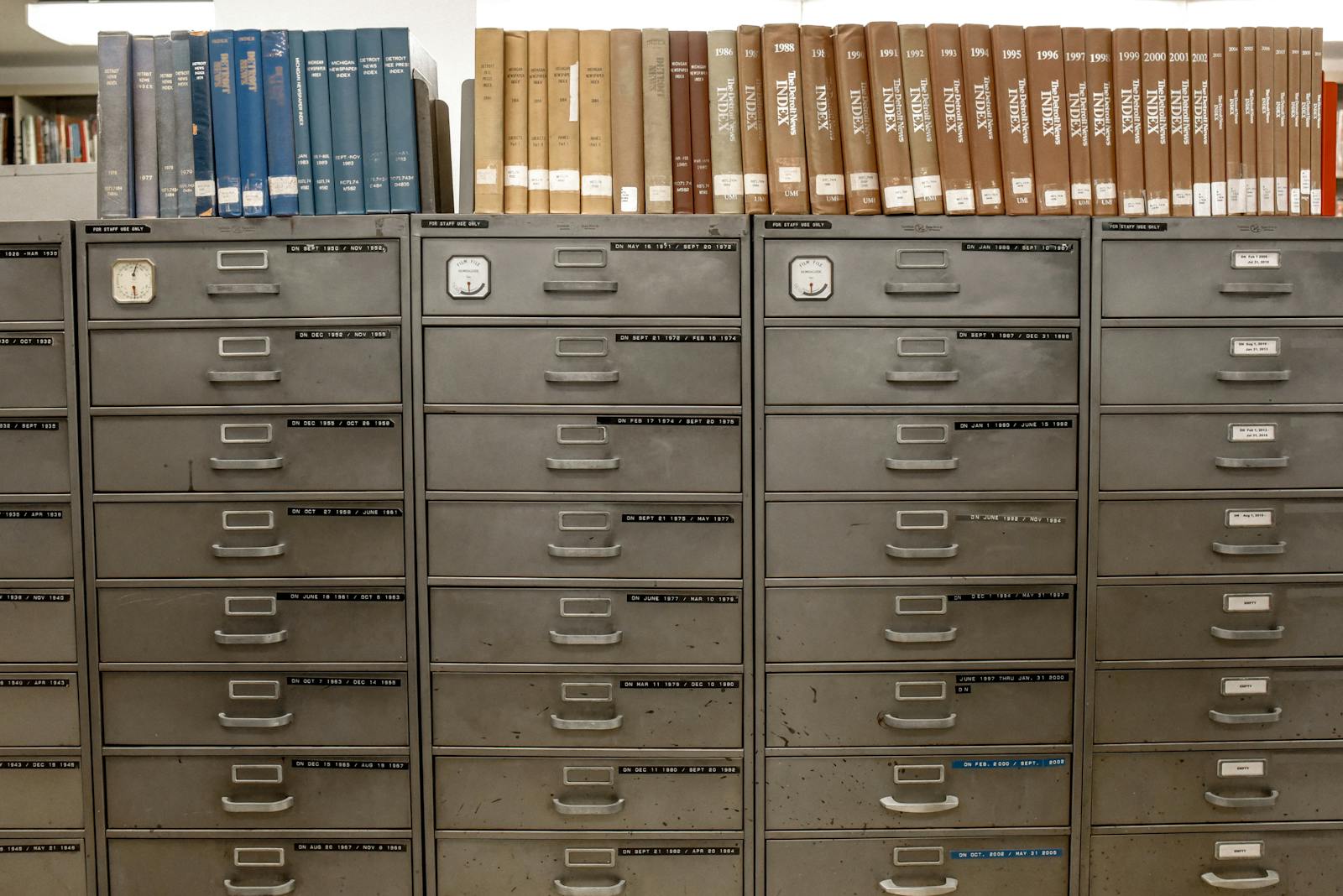
Photo by Element5 Digital on Pexels
The Foundation Of Efficient Warehousing
A recent article noted that a well-built storage area lowers the time spent on material handling. Better configurations lead to lower costs and higher safety levels for workers. It helps lower costs by cutting out wasted movements during the day.
Managing stock requires knowing where everything sits at all times. If items are scattered, pickers waste minutes searching for single parts. Clean aisles and labeled rows fix these common headaches quickly – making life easier for your team.
Storage needs change as your business grows larger. You might start with a few shelves, but you soon need more heavy-duty options. Planning for that growth now saves you money on future upgrades later on.
Maximizing Space With Proper Equipment
Floor space is expensive in every modern industrial building. Using the height of your building lets you store more without renting more square feet. Vertical storage is a smart way to handle high volumes – it saves money.
Proper layout prevents bottlenecks on the floor. Using pallet racking systems for warehouses creates more vertical space for goods. Staff can find items faster when every piece has a home.
Organized aisles keep forklifts moving in a steady path. This prevents traffic jams during the busiest parts of the day. Every inch of the floor should serve a clear purpose for your team.
Reducing Operational Costs Through Better Flow
One guide explained that a good management setup can drop storage costs by 15% to 30%. Better picking speed is a huge part of those savings. Money stays in the business when workers do not have to double-back for items.
Another report pointed out that better control reduces mistakes made by manual labor. Real-time tracking helps managers see exactly how much stock is on hand. Accuracy improves when systems do the heavy lifting for the staff.
Moving goods once is always better than moving them twice. Shorter travel paths mean less wear on equipment like lift trucks. It keeps the flow of inbound and outbound freight consistent throughout the week.
Integrating Technology For Real Time Accuracy
Using clear bins can make visual checks much faster for the crew. One blog mentioned that seeing stock levels at a glance helps prevent errors. Simple visual tools often work just as well as high-tech sensors.
The global market for inventory software hit $3.9 billion in 2024. Market experts see this growing steadily over the next 10 years. Businesses are spending more on tools that track parts automatically.
Digital tools provide several key benefits for modern facilities:
- Scanners reduce the need for paper clipboards.
- Software alerts managers when stock runs low.
- Dashboards show which items sell the fastest.
Future Trends In Inventory Control
The tracking and control industry is expected to grow by nearly 9% each year. The growth comes from a need for data in the supply chain. Companies want to see where items are at every single step.
Manufacturers are now using AI to figure out where to put items. One industry update said that systems look at real data to pick the best spots. Smart slotting keeps the most popular items closest to the loading docks.
Data tells a story about how your warehouse functions. It reveals which times of day are the most productive for the crew. Using these facts helps you schedule shifts more effectively.
Flexible Designs For Growing Businesses
Modern designs often include modular racks and movable shelving units. A design firm noted that these reconfigurable zones help warehouses stay flexible. You can change the layout without a total overhaul of the building.
New visual intelligence tools can reach 99.9% accuracy for orders. A logistics update stated that these systems can even document damage as it arrives. High accuracy builds trust with customers who expect fast delivery.
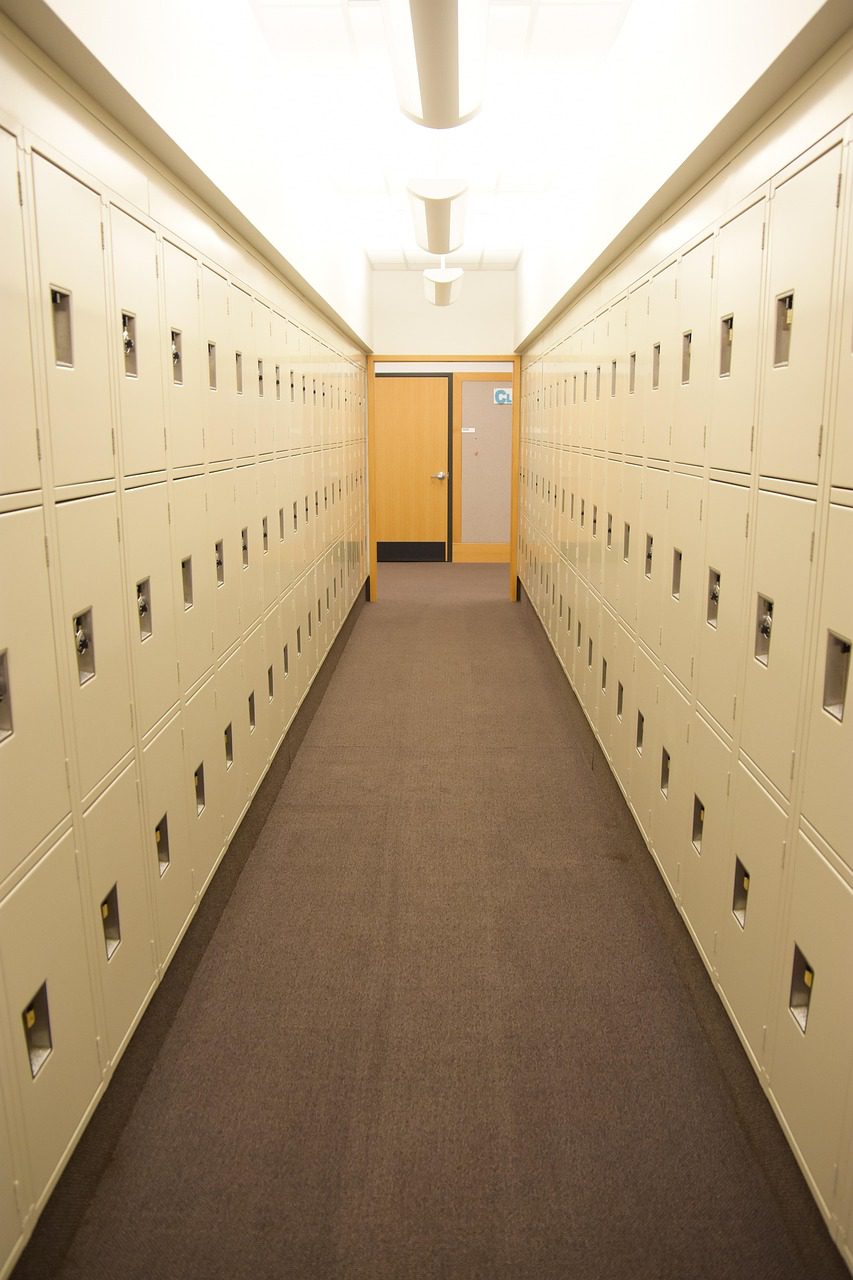
Photo by bullkim on Pixabay
Automation And The Modern Supply Chain
The market for automated storage and retrieval systems reached over $9 billion in 2025. One study showed that more firms are moving toward robotic help. Automation speeds up the process of finding and moving heavy pallets.
Robots do not get tired or lose focus during long shifts. They can work in dark or cold environments where humans might struggle. Integrating these machines into your current workflow takes careful planning.
Systems that talk to each other provide the best results. Your racking should work in harmony with your software and your staff. Speed comes from every part of the warehouse working as 1 unit – a perfect flow.
Fast inventory management relies on a mix of smart layout and the right tools. When you organize your space, you save time and reduce stress for your team.
Every small change to your storage plan adds up to big gains. Keeping your goods tidy and easy to reach is the best way to stay ahead.











Leave a Reply
You must be logged in to post a comment.