

What Affects How Long Your Roof Will Last
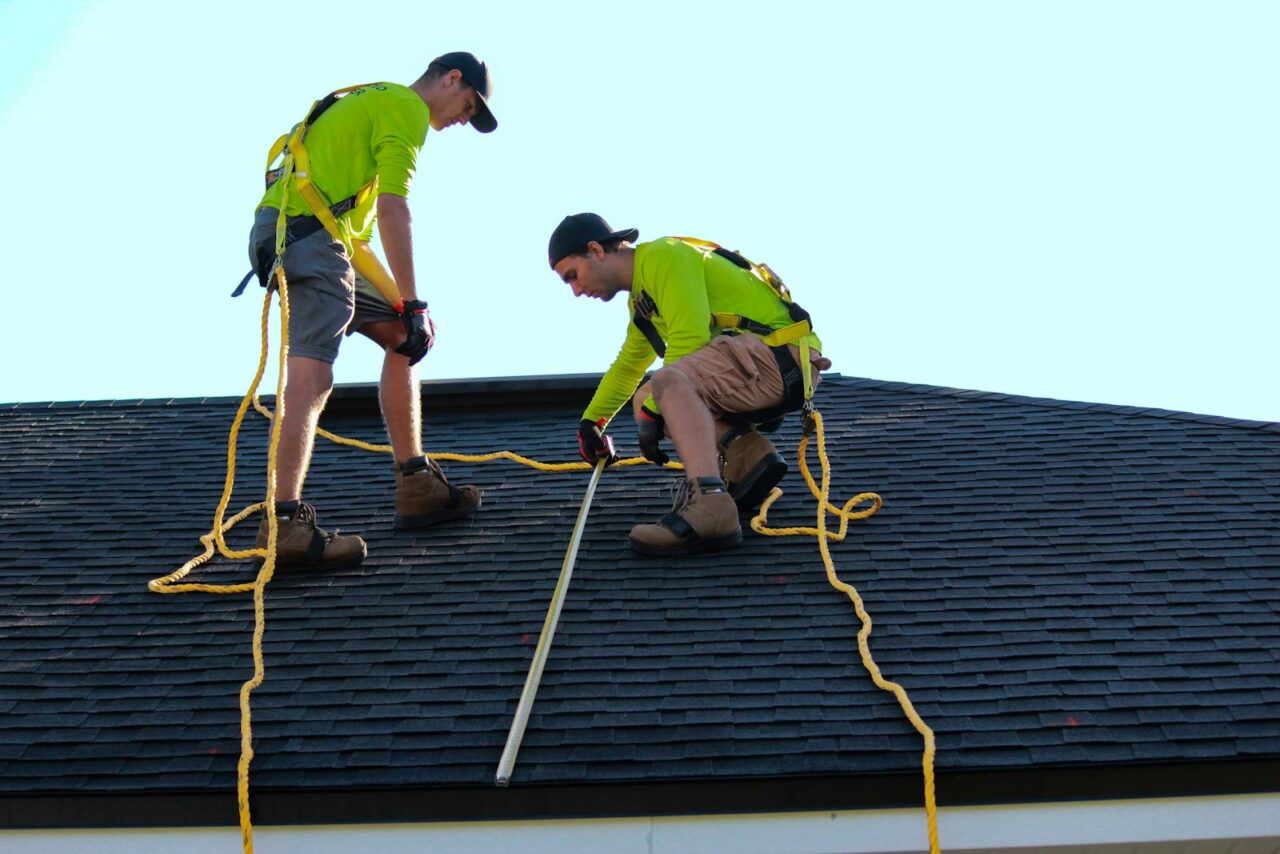
Photo by Raze Solar on Unsplash
The lifespan of a roof is a critical component of any home’s structure and maintenance. Homeowners often wonder how long they can expect their roof to last and what factors may influence that longevity.
While the average lifespan of a roof can range from 20 to 50 years, depending on materials and installation, various elements play significant roles in determining its durability. Understanding these factors can help homeowners make informed decisions about their roofing maintenance, repairs, and replacements.
Material Quality
The first and foremost consideration when evaluating the longevity of a roof is the type and quality of materials used. Different roofing materials come with varying lifespans. Asphalt shingles typically last around 20 years, while metal roofs can last over 50 years with proper care.
Higher-quality products tend to stand up better against harsh conditions, including high winds, extreme temperatures, and heavy precipitation. When selecting a roofing material, it’s key to consider the initial cost and the value in terms of longevity and performance. Investing in high-quality materials upfront often leads to fewer repairs and replacements down the line.
Another factor related to material quality is the manufacturing process and local climate considerations. Roofing materials manufactured for specific weather conditions tend to perform better.
A roof installed in a coastal area with salty air might require different materials compared to one installed in an arid environment. Always consult with professionals who understand your local climate’s demands and can recommend materials that will best resist those specific conditions.
Installation Practices
Beyond materials, the way a roof is installed can significantly affect its lifespan. Improper installation voids warranties and leads to serious issues like leaks, sagging, and premature deterioration. It’s paramount to choose an experienced contractor who follows industry standards and local building codes.
Proper underlayment, ventilation, and flashing are critical components in a successful roofing project. Each of these installations plays a vital role in ensuring that the roof performs as it should. Homeowners must be cautious when selecting a contractor.
Some unscrupulous companies may offer low prices that can turn into costly repairs later on. Seeking a reputable, established wholesale roof replacement company can provide peace of mind, ensuring the installation is done correctly the first time. The labor and expertise involved in installation are just as crucial as the materials themselves.
Climate and Weather Conditions
Regional climate plays a massive role in roof longevity. Areas that experience extreme weather events, such as heavy rain, snow, or heat, can be hard on roofing systems. UV exposure from the sun can cause materials like asphalt shingles to deteriorate faster, while moisture from rain or snow can lead to mold growth and rot.
Understanding your geographical area helps in preparing for potential weather-related issues. In places with heavy precipitation, roofing materials need to have exceptional waterproof capabilities and drainage solutions. This includes features like gutters and downspouts, which aid in directing water away from the roof and foundation, reducing the risk of leaks or structural damage.
Areas prone to high winds should consider roofs built to withstand such forces, often featuring special clips or fasteners to secure the shingles adequately. Climate dictates the type of materials needed and how often maintenance should be performed to keep the roof intact.
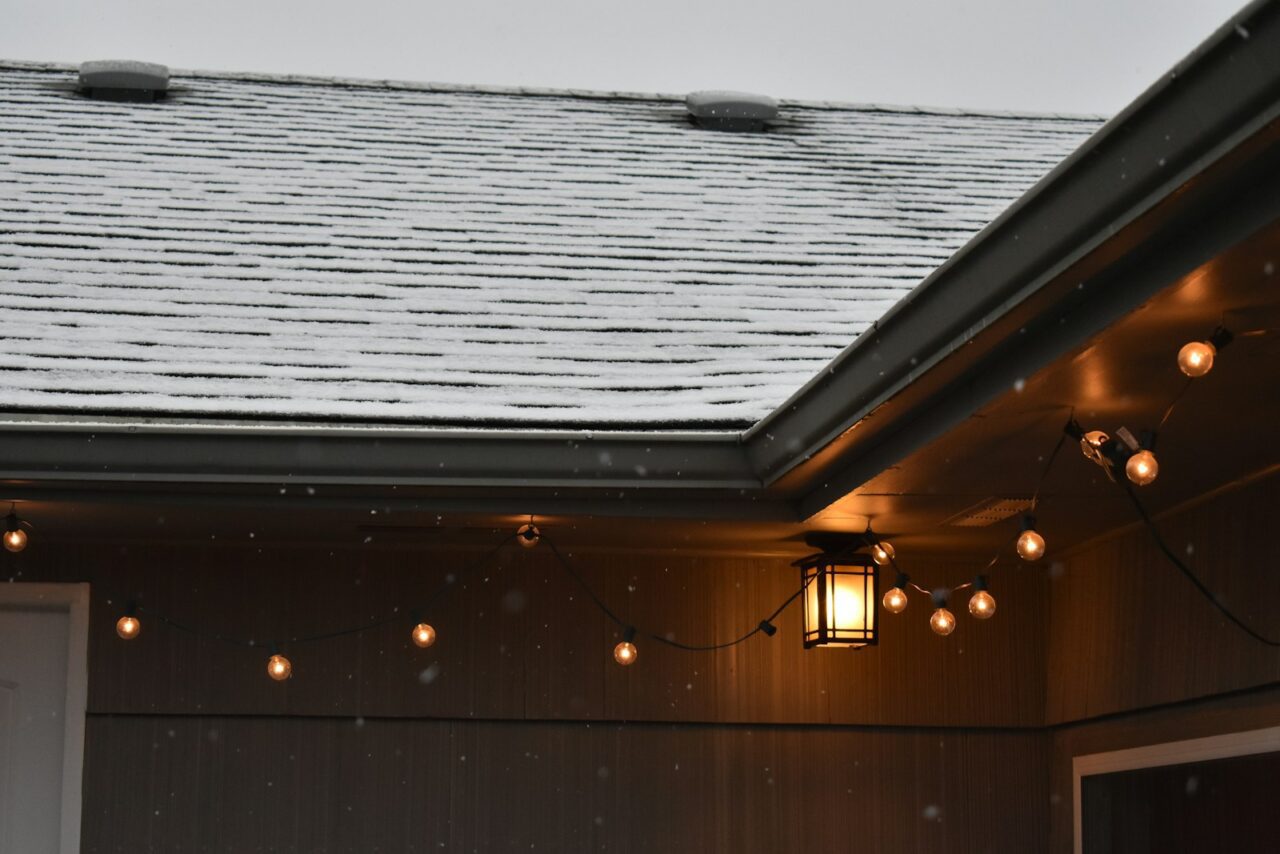
Photo by Knopka Ivy on Unsplash
Maintenance Practices
Regular maintenance is key to prolonging the life of a roof. Neglecting maintenance can result in minor issues evolving into significant problems that necessitate expensive repairs. Seasonal inspections can catch small leaks, debris accumulation, and early signs of wear before they develop into major concerns.
Homeowners should prioritize keeping gutters clear of leaves and other blockages, as backed-up water can lead to serious problems. It’s advisable to trim surrounding trees to prevent branches from damaging the roof during storms.
Moss and algae growth can also contribute to deterioration, so proper cleaning methods should be employed to address these issues as they arise. Many homeowners overlook the importance of maintenance and assume that their roofs will last without risks, but proactive measures can significantly extend a roof’s lifespan. Establishing a reliable maintenance schedule can save time and finances over the years.
Ventilation and Insulation
Good ventilation and insulation are crucial for a roof’s longevity. Inadequate ventilation in the attic can lead to heat buildup, causing shingles to crack or curl under extreme conditions. Poor insulation can create a heat imbalance, which may lead to moisture issues and condensation, damaging the roof structure.
Proper ventilation extends the roof’s lifespan and enhances energy efficiency, further reducing costs for homeowners. A well-balanced roofing system includes intake and exhaust vents that facilitate air circulation, helping maintain an even temperature throughout the attic.
Homeowners should ensure their ventilation systems function correctly and are not blocked by insulation or debris. Addressing insulation and ventilation needs is important for protecting the roof from the internal issues that can arise because of temperature fluctuations.
Impact of Local Regulations
Roofing regulations and building codes can also influence how long a roof lasts. Many localities have specific requirements for roofing materials and installation procedures, tailored to address common climate-related risks. Understanding local regulations can assist homeowners in making compliant decisions that will prolong their roof’s lifespan.
Homeowners are required to notify their local building authorities before initiating a new roofing project. Adhering to these regulations ensures the safety and integrity of the roof while also keeping homeowners free from legal repercussions. Knowledge of local requirements can help safeguard your investment by promoting quality installations that last.
The life expectancy of a roof is influenced by a variety of factors, including material quality, installation practices, and climatic conditions. Regular maintenance, ventilation, insulation, and awareness of local regulations play pivotal roles in determining how long your roof will last. By investing in a quality roofing system and maintaining it diligently, homeowners can ensure their roofs withstand the test of time.











Leave a Reply
You must be logged in to post a comment.