

Weather Myths and Trends: Illinois as an Example
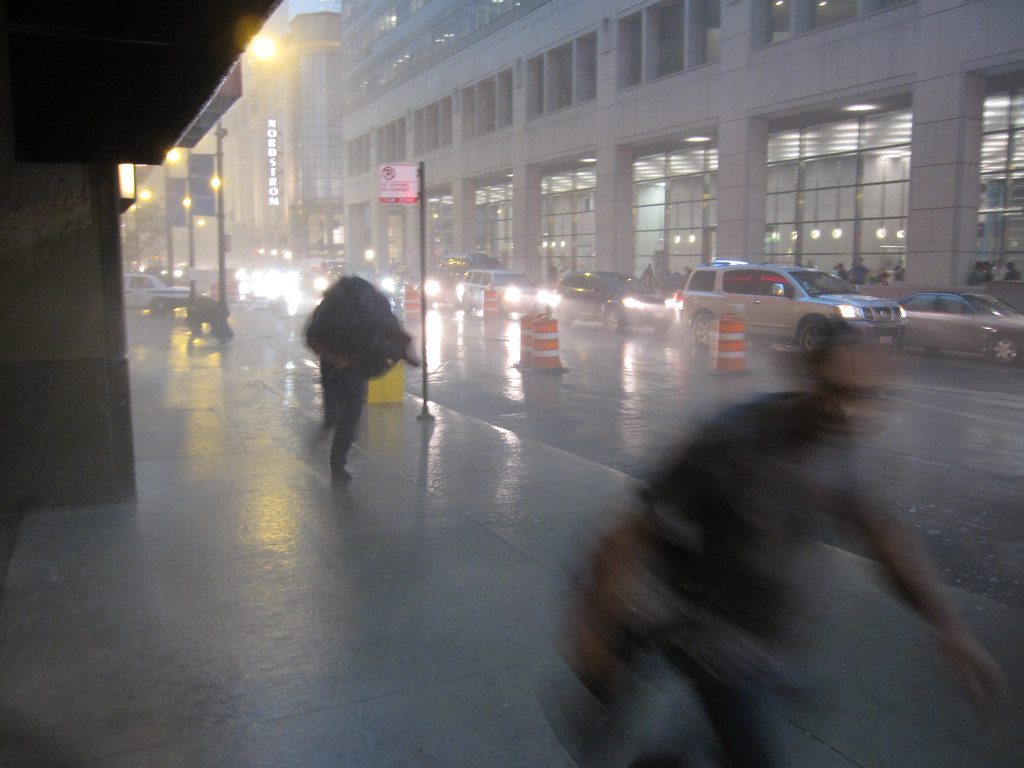
It’s hard to find a topic more talked about than the weather. It’s discussed daily on television, in cafes and restaurants, at stadiums, in stores, schools, and even at home. Naturally, this popularity gives rise to numerous myths. These myths fuel existing trends and provide the basis for a variety of weather-related conversations. This topic is especially popular in Illinois, which, due to its unique geographic location, has become a hub for climate and weather monitoring. Read on to discover what’s true and what’s fiction in the conversations between forecasters and ordinary people.
Why is Illinois the perfect weather study?
Many weather experts from the United States and around the world often choose Illinois for their weather observations. This choice is no accident. Illinois is located in a unique geographic zone where the influence of the Gulf of Mexico, Lake Michigan, and continental natural processes is felt simultaneously. This means that various weather changes are most pronounced here, and the impact of climate change is felt most strongly. This unique feature makes Illinois a hub for observing not only U.S. weather but also global changes worldwide. This also creates favorable conditions for the formation of various trends and the emergence of many popular myths.
Popular Myths
Wherever there are people, weather myths always emerge. In some cases, they are formed from faulty data, while in others, they result from inaccurate observations. In both cases, myths distort the facts and create an alternative reality. The most popular weather myths from Illinois and other states will be discussed below.
The weather is never stable
The words “weather” and “stability” have nothing in common. This is the view of all those who believe in one of the most popular myths of the present time. Many cite Illinois as proof. Here, the weather has remained unstable and challenging to predict over the past decades. However, if you rewind time a little and compare various indicators with 21st-century data, you can dispel this popular myth. Even in the early and mid-20th century, the frequency of recorded weather anomalies was much lower than today. This means that the weather back then was relatively stable and could have been predicted with extreme accuracy using modern meteorological equipment.
Global warming can’t cause cold winters
Today, many experts and ordinary people frequently mention global warming when discussing the weather. This phenomenon has significantly impacted many natural processes, and humanity is currently unable to reverse the situation. However, when winter arrives and temperatures drop to very low levels, many forget about global warming. Some even claim it doesn’t exist, citing cold temperatures supposedly impossible under global warming. This popular myth has arisen due to poor public awareness. In reality, the global climate and the weather in a particular region have nothing in common. Even with global climate change, short-term cold spells like those periodically observed in Illinois in winter are possible.
Frequent tornadoes are the punishment for poor environmental practices
Today, many people use modern technology such as artificial intelligence, binoculars with night vision, and smart devices. Yet they continue to believe that tornadoes are a punishment for people’s poor environmental practices. This myth is especially popular in Illinois, where such natural disasters are quite common and cause numerous problems. However, in reality, tornadoes are caused not by any human actions but by the collision of contrasting air currents. Humans have virtually no influence on this process, so their occurrence is more likely a natural process.
Major Trends
The weather in Illinois and other states is widely observed. This attention allows us to identify numerous trends, some of which are of little concern to experts and the general public, while others prompt everyone to think about the future. The most critical and visible trends will be discussed below.
Continuously rising air temperatures
The primary global weather trend is a gradual increase in temperature. Illinois is no exception, having experienced this trend for the past 50-60 years. During this period, average annual temperatures have increased by 10-15% (depending on the region), raising serious concerns among experts. If this trend continues, and there are currently no signs of a recovery, more global environmental changes will begin within a few decades. This will negatively impact not only Illinois residents but also various industries (for example, agriculture).
Increasing precipitation
Precipitation is an integral part of natural processes. Throughout the entire weather observation period, precipitation amounts have fluctuated constantly. Alternating increases and decreases in precipitation frequency were normal and did not cause concern among experts. However, a clear trend toward steady increases in heavy rain and snowfall has emerged recently. This trend is characteristic of many regions across Europe, Asia, and North America, including Illinois. Precipitation amounts have been increasing annually across the state. Although the difference from previous years is always slight, its very existence is alarming to many experts. If this weather trend continues, the incidence of flooding and soil erosion will very soon reach dangerous levels.
Shifting seasons
Until recently, North Americans and people on other continents knew for sure that September would see the leaves turn yellow, December would usher in the cold season, and March and June would bring warmer weather. However, today, due to global climate change, the seasons are shifting. For example, in Illinois, spring is coming earlier, summers are longer, and winters and autumns are becoming shorter. This trend is creating an inevitable chaos in wildlife, forcing animals, plants, and people to adapt to new conditions, which is a massive challenge for many.
Weather myths and trends aren’t simply information generated by observations and conversations between people. They result from a combination of long-term natural processes and human activity. The example of Illinois clearly demonstrates this. Popular myths among state residents overlap with existing trends, shaping locals’ unique perceptions of the weather in the region, the country, and the entire planet.











Leave a Reply
You must be logged in to post a comment.