

Key Safety Measures to Follow When Traveling

Photo by Kevin Woblick on Unsplash
Traveling offers opportunities for adventure, learning, and relaxation, but it comes with certain risks. Whether you’re exploring a new city, hiking through remote trails, or taking a business trip, safety should always remain a top priority. From preparing before departure to practicing caution on the road, adopting smart measures ensures that trips are memorable for the right reasons.
Preparing With the Right Protections
One of the first steps to safe travel is securing the proper protections before you leave home.
This means making copies of important documents, understanding local laws and customs, and taking preventive health measures such as vaccines if necessary. Most importantly, travelers should consider international travel insurance, which provides coverage for unexpected events like medical emergencies, flight cancellations, or lost luggage. Insurance acts as a safety net, giving peace of mind while navigating unfamiliar environments.
Taking these precautions ahead of time ensures that you’re prepared for the unexpected, no matter where your journey takes you.
Staying Aware of Your Surroundings
Situational awareness is one of the most effective tools for personal safety. In unfamiliar destinations, it’s easy to become distracted by sights, experiences, or even technology. Keeping your attention on your surroundings reduces risks such as theft or accidents.
Simple actions, like walking confidently, avoiding poorly lit areas at night, and keeping valuables hidden, go a long way in preventing problems. Travelers should take note of emergency exits in hotels, familiarize themselves with local emergency numbers, and pay attention to any official travel advisories.
Transportation Safety Considerations
Moving from one place to another is often when travelers are most vulnerable. Public transportation, rideshares, and taxis each come with unique risks. Researching reputable transportation providers before arriving at your destination helps avoid unsafe situations. For example, official taxi stands or well-reviewed rideshare services are typically safer than unmarked vehicles offering rides.
Seatbelts, helmets, and other safety gear should always be used, even in places where they are not commonly enforced. When renting vehicles, travelers should take extra time to learn local driving rules and road conditions. Prioritizing safe transportation choices prevents common but avoidable accidents.
Safeguarding Health During Travel
Maintaining health while abroad is critical to enjoying a successful trip. Travelers should pack a personal medical kit that includes basic supplies such as pain relievers, bandages, and any prescription medications. Access to pharmacies may vary, so carrying essential items prevents interruptions to care.
Hydration, balanced nutrition, and proper rest contribute to stronger immunity and resilience during travel. In some destinations, drinking only bottled or filtered water is recommended to prevent gastrointestinal issues. Keeping hand sanitizer and practicing good hygiene helps protect against illness in crowded or high-traffic areas.
Protecting Belongings and Finances
Losing personal items while traveling can be stressful and disruptive. To minimize risk, travelers should spread out their cash, cards, and identification rather than carrying everything in one place. Money belts, RFID-blocking wallets, and hotel safes provide additional layers of security.
When using ATMs, choosing those in well-lit, monitored locations is safer than using machines in isolated areas. Mobile payment apps can reduce the need to carry cash while providing a digital record of transactions. Planning ahead for financial safety ensures smoother travel and fewer disruptions.
Building a Network of Communication
Staying connected with friends, family, or colleagues during travel enhances safety. Sharing itineraries, check-in times, and copies of important documents ensures that others can provide support in case of emergencies. Travelers should keep local embassy or consulate contact information handy for added protection.
Carrying a reliable phone with international roaming or a local SIM card makes it easier to navigate and communicate when needed. Offline maps and translation apps are practical tools that reduce reliance on internet connections, which may be unreliable in some regions.
Balancing Adventure With Responsibility
Exploration and adventure are often the highlights of travel, but it’s important to approach new experiences responsibly. Activities such as hiking, swimming, or nightlife can become risky if safety measures are ignored. Wearing appropriate gear, traveling in groups, and avoiding excessive alcohol consumption all help reduce hazards.
Respecting cultural norms plays a role in safety. By dressing appropriately, following local etiquette, and demonstrating respect for traditions, travelers avoid unwanted attention but foster positive interactions with local communities.
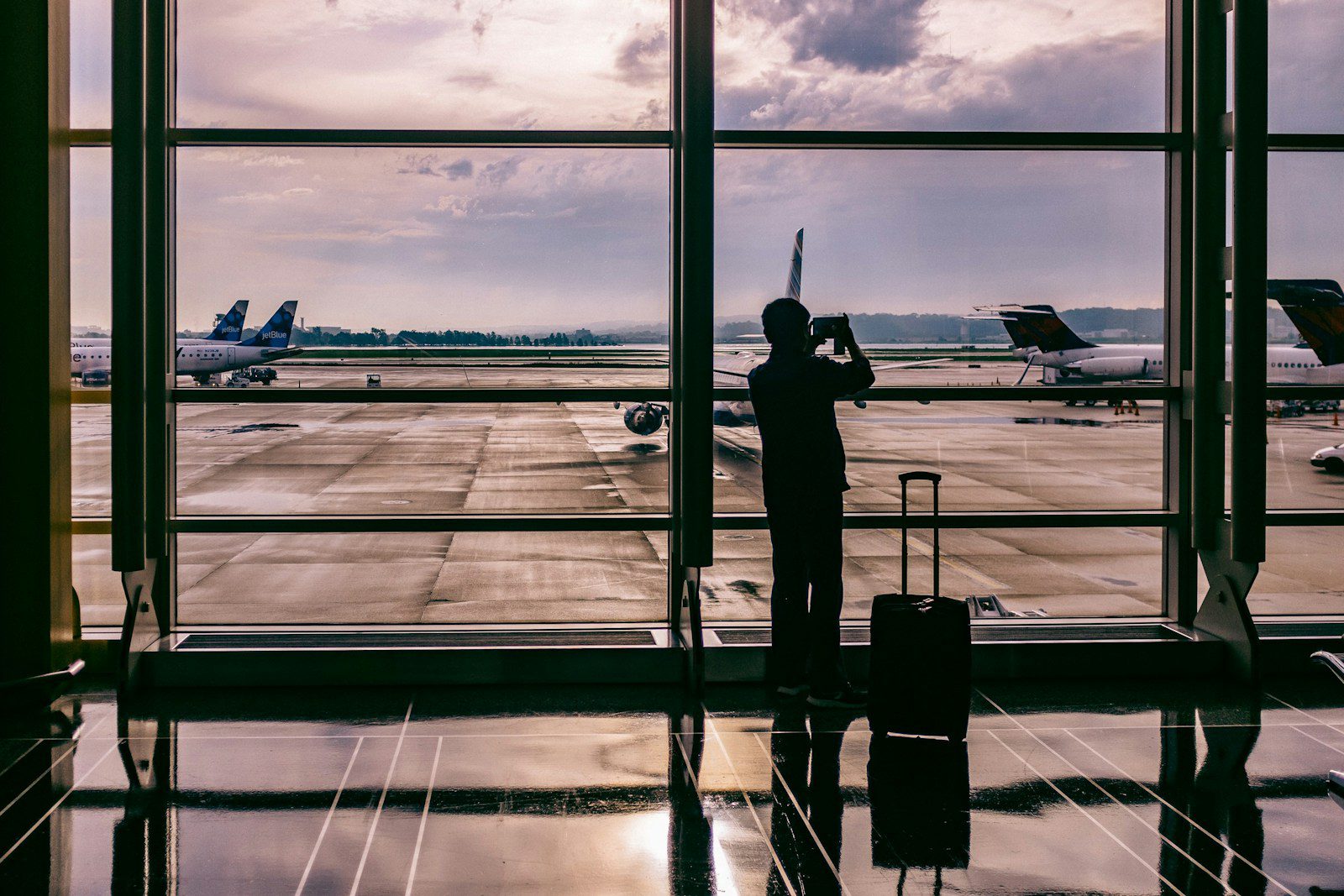
Photo by Ashim D’Silva on Unsplash
Travel is one of life’s most rewarding experiences, but it requires a balance of preparation, awareness, and caution. From arranging protections to practicing safe transportation habits and safeguarding personal belongings, every measure contributes to peace of mind.
By staying proactive and mindful, travelers can focus on enjoying their journeys while knowing they’ve taken steps to reduce risks. Safety doesn’t mean limiting adventure; it means ensuring every trip is both enjoyable and secure.











Leave a Reply
You must be logged in to post a comment.