

How to Save Money When Planning a Trip
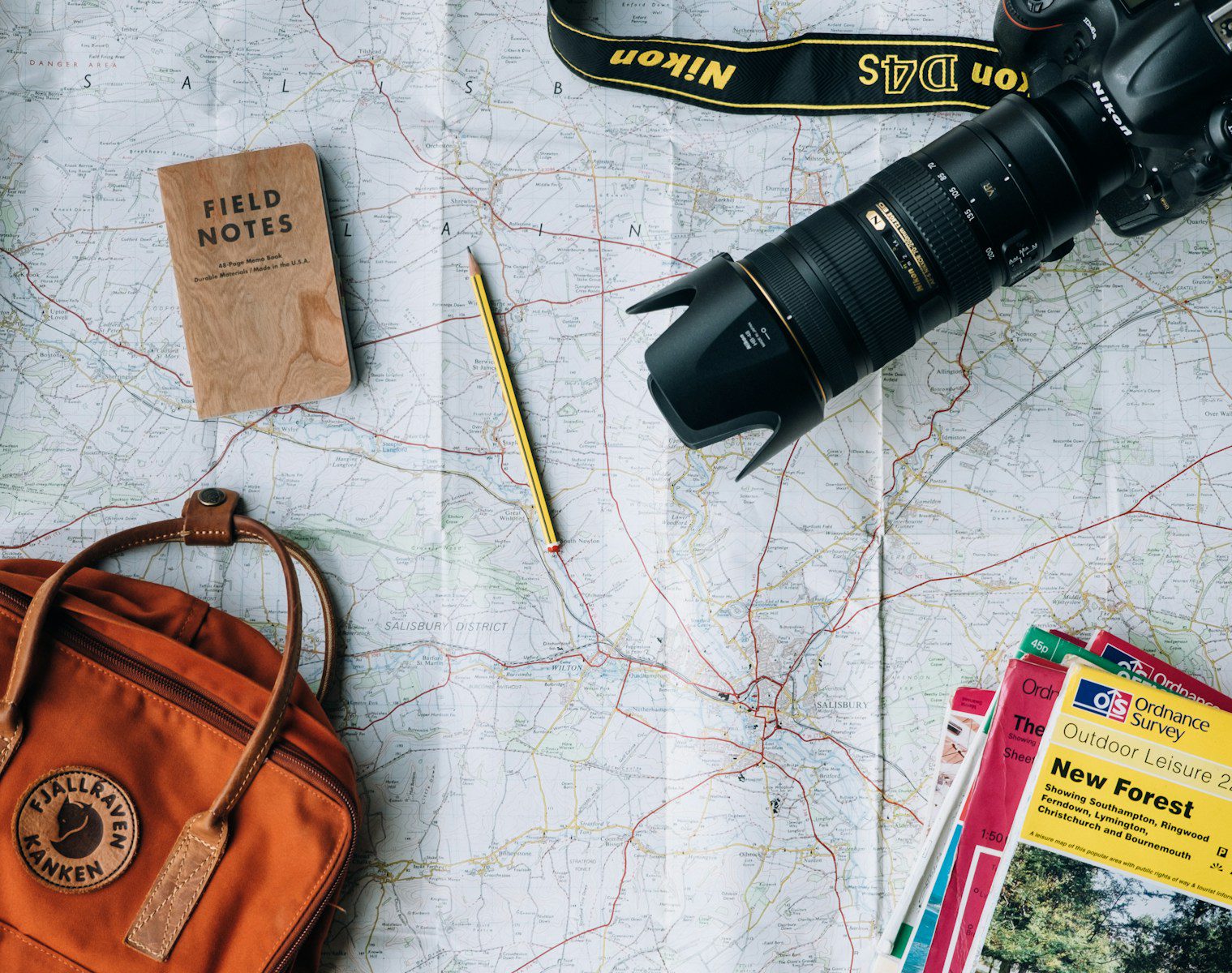
Photo by Annie Spratt on Unsplash
Planning a trip should be exciting, not financially stressful. Whether you’re dreaming of a beach getaway or a mountain adventure, there are countless strategies to help you travel more while spending less. The key is knowing where to look for savings and being strategic about your planning process. Let’s explore the most effective ways to keep your travel budget under control without sacrificing the quality of your experience.
Start Planning Early and Stay Flexible
The early bird truly does catch the worm when it comes to travel savings. Booking flights and accommodations several months in advance typically yields the best prices, as airlines and hotels often increase rates as availability decreases. However, flexibility can be just as valuable as early planning.
If your schedule allows, consider traveling during shoulder seasons when destinations are less crowded and prices drop significantly. Being flexible with your travel dates by even a few days can save you hundreds of dollars. Use fare comparison tools that show you the cheapest days to fly within a given month, and you’ll quickly see how much difference a day or two can make.
Take Advantage of Package Deals and Bundled Offers
One of the smartest moves you can make is bundling your travel components together. Discounted vacation packages that combine flights, hotels, and sometimes even car rentals or activities can offer substantial savings compared to booking each element separately. Travel companies negotiate bulk rates with service providers and pass some of those savings on to customers.
Many online travel agencies offer exclusive bundle discounts that aren’t available when booking directly. These packages also simplify the planning process, saving you time while saving you money. Just make sure to read the fine print and compare the package price against individual bookings to ensure you’re getting a genuine deal.
Leverage Credit Card Rewards and Travel Points
Your everyday spending can fund your next adventure if you’re strategic about it. Travel rewards credit cards offer points or miles for purchases you’re already making, from groceries to gas. These points can be redeemed for flights, hotel stays, or even statement credits toward travel expenses.
Many cards also offer sign-up bonuses that can cover a significant portion of a trip after meeting minimum spending requirements. Additionally, look for cards that provide travel perks like free checked bags, airport lounge access, or travel insurance. Just remember to pay off your balance each month to avoid interest charges that would negate your savings.
Choose Alternative Accommodations
Hotels aren’t your only option anymore, and exploring alternatives can lead to significant savings. Vacation rentals, hostels, and home-sharing platforms often provide more space and amenities for less money than traditional hotels. Some even include kitchens, allowing you to save on dining costs by preparing some of your own meals.
Consider house-sitting opportunities or home exchanges if you’re open to unique experiences. These options can reduce accommodation costs to nearly zero. Even budget hotel chains or properties slightly outside main tourist areas can offer comfortable stays at a fraction of the price of luxury resorts in prime locations.
Be Smart About Transportation
Getting around your destination efficiently and affordably requires some research. Public transportation is almost always cheaper than taxis or ride-sharing services, and many cities offer multi-day passes that provide unlimited travel for a flat fee. Walking or renting bicycles not only saves money but also gives you a more intimate experience of your destination.
When renting cars, compare prices across multiple platforms and book in advance. Avoid renting at airports where fees are typically higher, and decline unnecessary insurance if your credit card or personal auto policy already provides coverage.
Eat Like a Local
Restaurant meals can quickly consume your travel budget, but you don’t have to sacrifice culinary experiences to save money. Seek out local markets, street food vendors, and neighborhood eateries where residents actually eat. These spots typically offer authentic cuisine at a fraction of tourist-area prices.
Consider making breakfast and lunch your main meals, as dinner tends to be more expensive. Many accommodations offer free breakfast, which can fuel you for morning activities. Carrying snacks and a reusable water bottle also prevents impulse purchases when hunger strikes.
Conclusion
Saving money on travel doesn’t mean compromising on memorable experiences. By planning ahead, staying flexible, and making informed choices about accommodations, transportation, and dining, you can stretch your budget further than you might think. The money you save using these strategies can be redirected toward activities and experiences that truly matter to you, making your trip even more rewarding. Start implementing these tips today, and you’ll be amazed at how much more affordable your dream vacation becomes.










Leave a Reply
You must be logged in to post a comment.