

The Importance of Getting Help for PTSD
Post-Traumatic Stress Disorder (PTSD) can have profound effects on individuals who experience traumatic events. Anyone exposed to life-threatening situations or traumatic experiences can develop PTSD. Symptoms can range from reliving the event through flashbacks or nightmares to severe anxiety, depression, and avoidance behaviors.
The stigma surrounding mental health can prevent individuals from seeking the help they need. Recognizing the importance of getting help is a critical first step toward recovery and living a healthier, more fulfilling life.
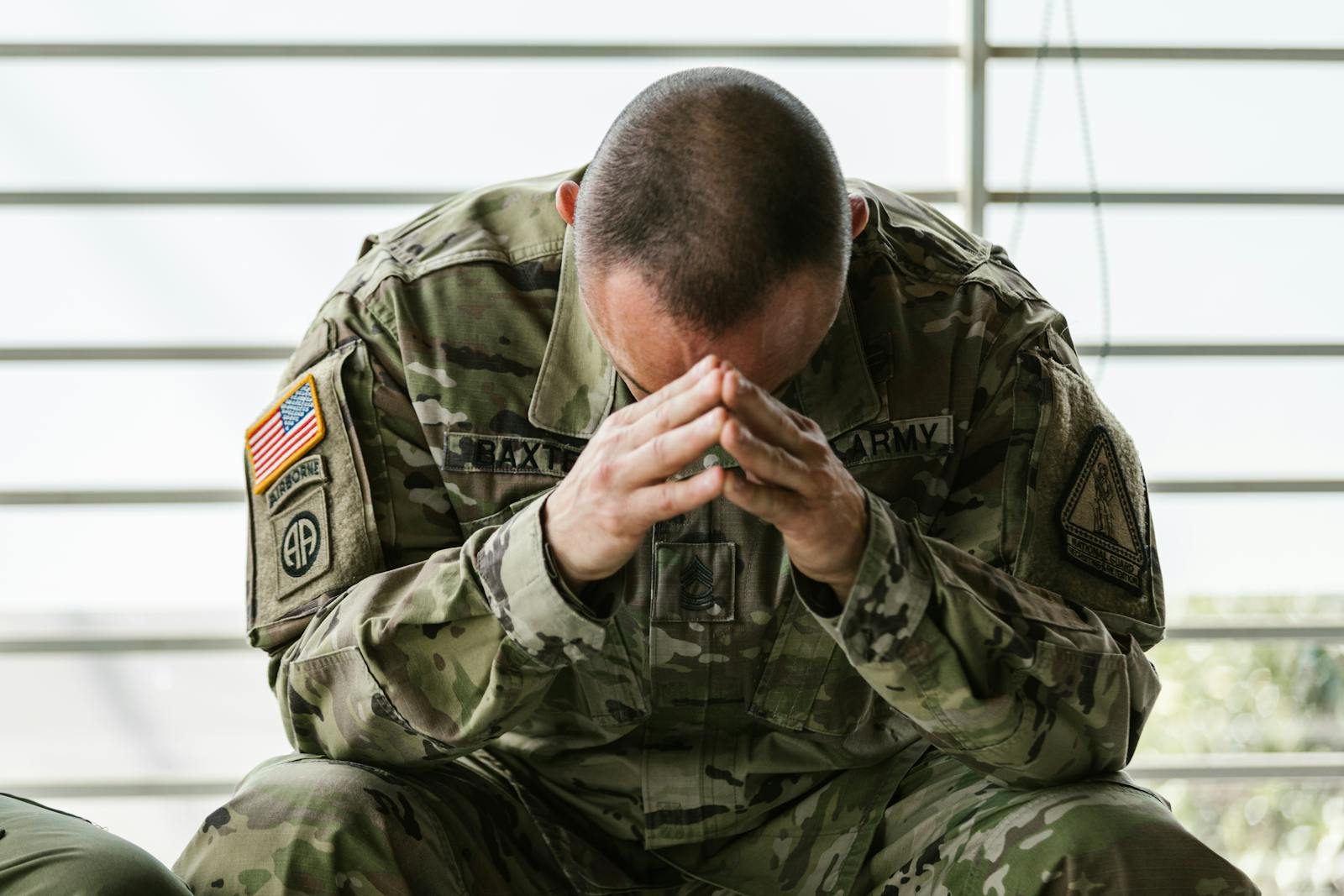
Photo by RDNE Stock project on Pexels
Symptoms and Causes of PTSD
Common symptoms of PTSD include intrusive thoughts, nightmares, severe emotional distress, and hyper-vigilance. Individuals may encounter difficulties in sleeping, concentrating, or engaging socially. These responses can be linked to the body’s acute stress response, which can become maladaptive when prolonged after the trauma. Common causes of PTSD range from combat exposure to natural disasters, sexual assault, or serious accidents. The emotional and psychological toll can last for years if left untreated.
Many individuals may not associate their feelings with PTSD, thinking it’s just a phase or something they should simply get over. This misconception leads to denial, further worsening their condition. Addressing these symptoms can lead to improved mental health outcomes.
The Role of Counseling
When seeking assistance for PTSD, there are many resources available out there. Joining support groups can provide individuals with opportunities to connect with those sharing similar experiences. In critical situations, hotline services are invaluable. Finding the right PTSD counseling hotline can provide immediate support and guidance for those in crisis. Many of these services are confidential and accessible at any time.
The process of finding the right help can vary greatly among individuals. Some may prefer in-person therapy, and others might feel more comfortable with online counseling. Identifying personal preferences and needs will provide a more effective recovery experience. Individuals need to seek out licensed professionals who understand PTSD, as the wrong fit can hinder progress.
The Consequences of Untreated PTSD
Living with untreated PTSD can affect various aspects of a person’s life. Relationships suffer as individuals withdraw from social environments or become emotionally explosive. Poor communication can lead to misunderstandings and isolation, straining bonds with family and friends. Victims may turn to substance abuse in an attempt to cope with their emotions. Without intervention, the condition may escalate to debilitating levels.
Untreated PTSD can increase the risk of developing other mental health disorders, including depression, anxiety disorders, and even suicidal thoughts. Even physical health is at risk: chronic stress can lead to heart disease or autoimmune disorders.
Creating a Supportive Environment
Friends, family, and peers can affect how an individual copes with PTSD. Active listening, understanding, and validation can encourage an environment where the affected individual feels safe to express their feelings without judgment. Educating loved ones about PTSD can prepare them to offer the right kind of help and promote a more profound level of empathy and compassion.
Communities can offer services, events, and advocacy to destigmatize mental health issues. When a societal belief is rooted in understanding and support, the healing process is accelerated. Encouraging open conversations about mental health makes it easier for individuals to express their struggles.
Self-Help Strategies for Managing PTSD Symptoms
Self-care strategies can help manage PTSD symptoms. Engaging in physical activity can relieve stress and improve mood. Mindfulness practices, such as meditation and deep-breathing exercises, offer tools to manage anxiety and bring focus to the present moment. Creating a structured routine can provide a sense of stability and control that is disrupted by traumatic experiences.
Journaling one’s thoughts and feelings can be therapeutic, allowing for emotional release and reflection. Engaging in creative outlets like art or music can facilitate healing and connection to deeper emotions. Seek out positive distractions to help individuals reconnect with their lives, shifting focus away from traumatic memories. All these strategies can empower individuals and promote emotional well-being.
The Importance of Education and Awareness
Education is a powerful tool in combating the stigma surrounding PTSD. By understanding the condition and its effects, the broader community can create an environment of support for those struggling. Awareness initiatives can reduce misconceptions and encourage individuals to seek help.
Schools, workplaces, and community organizations can all offer workshops that educate about the realities of PTSD and available resources. Initiatives promoting mental health awareness lead to early intervention and proper treatment, improving the quality of life for those affected. Informed communities can cultivate empathy and support for individuals as they navigate their healing processes.

Photo By Kaboompics.com on Pexels
Seeking assistance for PTSD is a necessary step in recovery. Understand and recognize symptoms to guide individuals toward appropriate support. By creating a supportive environment, utilizing available resources, and incorporating self-help strategies, individuals can reclaim control. Empowering a loved one faced with PTSD can lead to transformative healing and renewed hope for a brighter future.










Leave a Reply
You must be logged in to post a comment.