

The Growing Role of Technology in Streamlining Freight Logistics
The logistics sector is evolving. The integration of technology into freight logistics processes has become a significant driver of efficiency, cost reduction, and enhanced visibility. Companies across the globe harness innovative technological solutions to streamline operations, improve customer service, and respond swiftly to market demands. Understanding these changes is vital for stakeholders seeking to remain relevant.

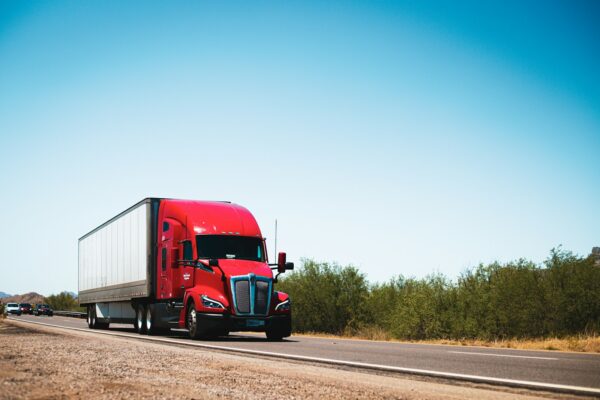
Photo by Venti Views on Unsplash
Automation in Freight Management
One of the most transformative impacts of technology in logistics is automation. Businesses partnering with an international logistics company enjoy substantial advantages, including tailored solutions and insights that enhance operational efficiency. Automated systems help reduce human error and speed up processes, giving businesses a competitive edge.
Automated freight management systems enable companies to monitor shipments in real time, ensuring they can adjust routes or schedules as needed. Currently, over 65% of logistics companies are investing in automation technologies, recognizing the need to adapt to the demands of modern consumers.
Automation has moved beyond simply expediting processes. It encompasses the use of artificial intelligence (AI) and machine learning (ML). These systems analyze vast amounts of data, predicting potential delays and suggesting alternative routes that can save time and costs.
Data Analytics for Informed Decision Making
Data analytics is another cornerstone of technological advancement in freight logistics. By leveraging analytics, companies gain insights into patterns and trends in cargo movement, customer behavior, and supply chain dynamics.
This capacity for informed decision-making empowers logistics firms to enhance their strategies further. Over 59% of logistics managers reported that using data analytics helps them improve service delivery and optimize their supply chains.
Analytics can track key performance indicators (KPIs) such as on-time delivery rates, cost per shipment, and inventory turnover. With these insights, logistics managers can identify inefficiencies or challenges and swiftly implement corrective actions. Responding to market fluctuations becomes a structured process supported by reliable data, which is crucial in managing costs and enhancing customer satisfaction.
Blockchain Technology for Transparency and Security
Blockchain technology has emerged as a promising solution for enhancing transparency and security within freight logistics. By providing an immutable record of transactions, it assures all parties that information is accurate and tamper-proof. This transparency can significantly reduce disputes among stakeholders, which is often a challenge in logistics operations.
Blockchain’s decentralized nature enhances security. With sensitive data about shipments being shared among numerous parties, having a secure platform is important.
The technology minimizes the risk of fraud and unauthorized access to data, safeguarding businesses against potential breaches. As this technology continues to develop, its implementation in the logistics sector is expected to increase, with 30% of logistics firms anticipating full adoption in the next five years.
Internet of Things (IoT) Enhancing Monitoring Capabilities
The Internet of Things (IoT) has revolutionized the way companies monitor and manage their assets. Sensors and connected devices track numerous aspects of freight logistics, including vehicle location, cargo temperature, and equipment health. This data allows logistics providers to keep a close watch on operations, ensuring timely and efficient deliveries.
IoT technology can alert logistics managers if a truck deviates from its route or if cargo conditions begin to fluctuate, preventing loss or damage. More than 70% of logistics firms are now utilizing IoT devices to enhance their operations. By integrating IoT systems, businesses can create a more agile freight logistics network that responds rapidly to any disruptions.
Integrating E-commerce Platforms
The rise of e-commerce has necessitated the rapid adaptation of logistics networks, leading to significant technological investments. Companies now need to integrate their logistics systems with e-commerce platforms to manage increased order volumes while maintaining service quality. These integrations allow for seamless data flow, enhancing inventory management and order processing.
As a result, logistics providers can respond quickly to consumer demands while optimizing their resources. With customer expectations at an all-time high, companies must ensure that they can fulfill orders efficiently. For logistics providers, this translates to leveraging technology to automate warehousing and order fulfillment processes, which enhances service delivery.
Future Innovations in Freight Logistics
The future of freight logistics is poised for transformation with advancements such as autonomous vehicles and drones. These technologies promise to optimize delivery processes, cut transportation costs, and improve customer satisfaction. Autonomous trucks equipped with AI could navigate roads more efficiently than human drivers, drastically reducing transit times.
Drones represent another frontier for logistics, allowing for rapid delivery, particularly in urban areas. With e-commerce growing exponentially, innovative delivery methods will be crucial to meeting consumer needs. Investment in these technologies is anticipated to grow, significantly changing logistics within the next decade.
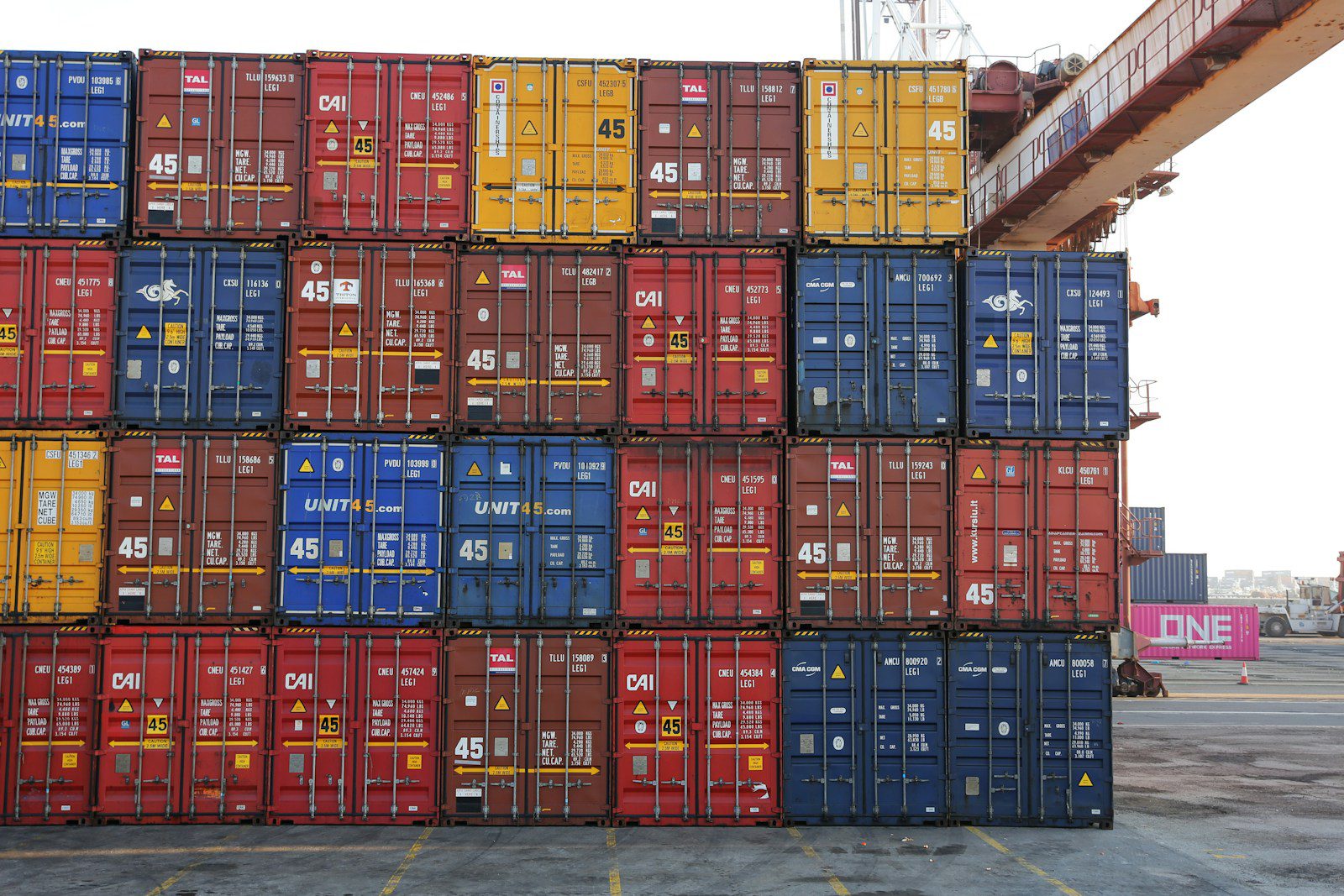
Photo by Sebastian Herrmann on Unsplash
As technology continues to evolve, its integration into freight logistics will redefine industry standards, driving efficiency and cost-effectiveness. The growing use of automation, artificial intelligence, and data analytics is transforming every stage of the supply chain, from warehouse management to real-time shipment tracking. These innovations enable companies to anticipate disruptions, optimize delivery routes, and reduce operational costs while supporting more sustainable practices.
Stakeholders who embrace these advancements will be best positioned to succeed in an increasingly dynamic market. By investing in digital infrastructure and cultivating a culture of adaptability, businesses can remain competitive and resilient amid constant change. The future of freight logistics lies in this balance between innovation and human expertise, a partnership that will shape a smarter, more connected, and more efficient global trade environment.










Leave a Reply
You must be logged in to post a comment.