

Sustainable Yards: Tips for Homeowners in the Midwest on How to Go Native
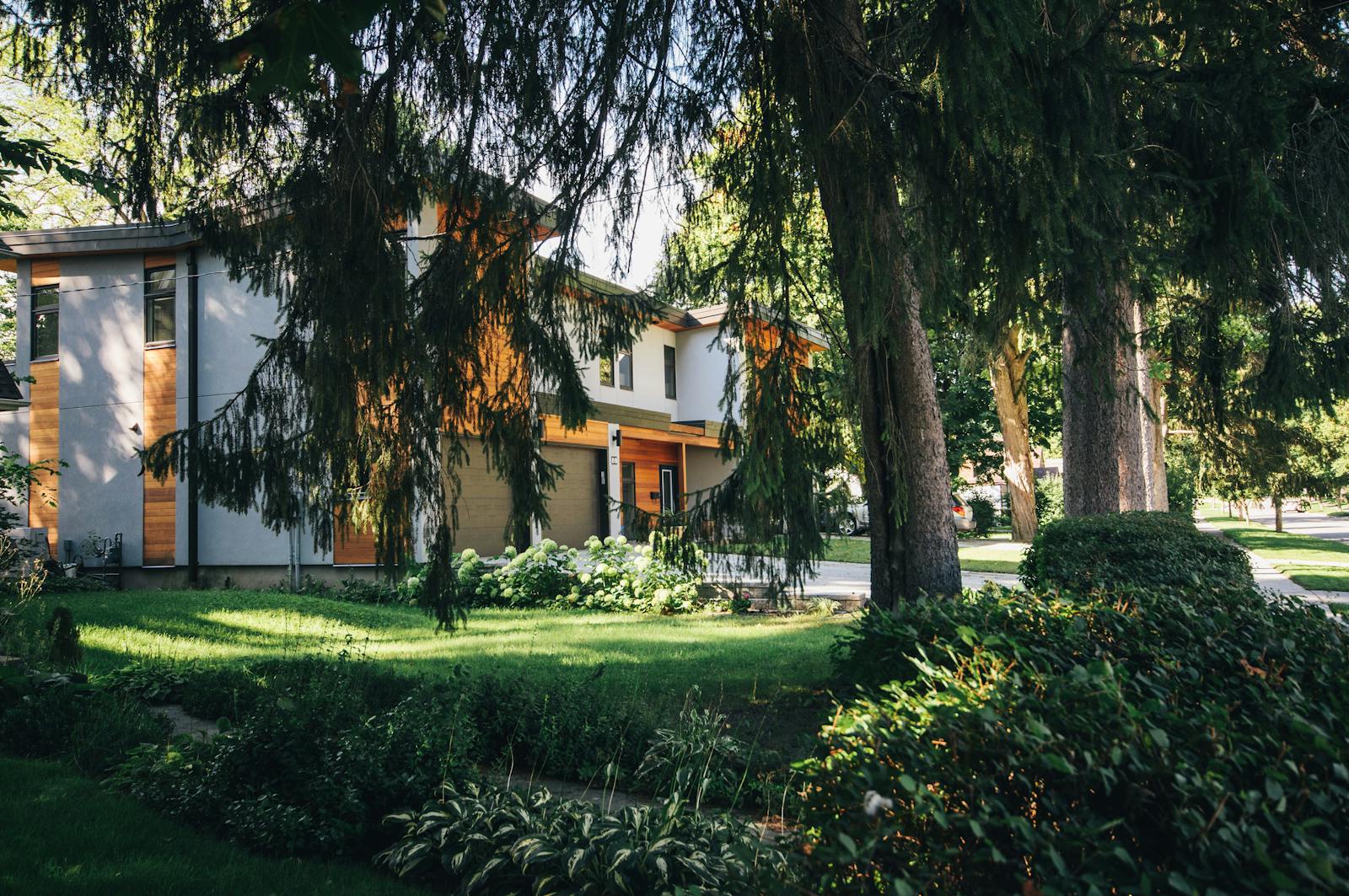
A well-maintained lawn is still a source of pride for many homeowners. It’s the spot for yard games, relaxing on a blanket, or watching kids and pets play in the open air. Lawns bring a sense of order and space to a property, and there’s something satisfying about stepping onto freshly mowed grass in the summer.
But lawns also ask a lot in return. They need regular watering, especially during dry Midwest spells. They rely on fertilizers to stay lush and green, and frequent mowing becomes part of the weekly routine. For some, that upkeep is enjoyable. For others, it eventually turns into a cycle of work with less reward than expected.
That’s why more homeowners are starting to rethink their yards. Not by replacing the whole thing, but by blending traditional grass with native plants. This approach keeps the parts of the yard that work while opening up new space for something more natural, more resilient, and surprisingly low-maintenance.
Why Native Plants Are Gaining Attention
In areas like the Quad Cities, where hot summers, heavy rains, and deep winter freezes all show up in a single year, native plants have a serious advantage. These are plants that have grown in the region for generations, long before lawn seed mixes and flower catalogs existed. They’ve adapted to the local climate, soil, and rainfall patterns, and they’re built to thrive with minimal help.
What makes them especially appealing is that they do more than just survive. Once established, they often require little or no extra watering. Their root systems help hold the soil in place and filter storm water. They don’t need chemical fertilizers or pesticides. And they invite life back into the yard. Bees, butterflies, birds, and other pollinators rely on these species for food and shelter.
This kind of landscaping also looks different, in the best way. Instead of a flat stretch of green, native gardens offer texture, movement, and color that change with the seasons. From early spring blooms to tall summer grasses and rich fall foliage, the yard becomes a living space, not just a backdrop.
What to Plant in the Quad Cities Region
The Quad Cities sit at the heart of what was once tallgrass prairie. That means there’s no shortage of native plants that thrive in this climate, from wildflowers to ornamental grasses. These plants handle local weather well, but they also help restore some of the original beauty and balance of the region’s natural environment.
Purple coneflower is a favorite for its sturdy growth and long-lasting blooms. Black-eyed Susan offers bright, sunny yellow petals that hold up well in the heat. Wild bergamot, also called bee balm, brings soft lavender tones and a minty fragrance. Milkweed is a key plant for monarch butterflies, as it’s the only place they’ll lay their eggs. For grasses, little bluestem brings a blue-green hue that shifts to copper in fall, while prairie dropseed forms soft, low mounds that add movement and structure.
If you want to keep a portion of your yard as lawn, and many people do, it helps to plant a grass that’s well-suited to the conditions you have. The right kind will depend on where you live, how much sun the area gets, and how often the lawn will be used. For example, Celebration Bermuda is a durable grass that holds up well under heavy use, does well in extremely warm and cold weather, and is a great option for families with kids and pets who spend a lot of time outdoors.
If you’re re-seeding or refreshing part of the lawn, choosing the right blend makes a big difference in long-term care. The idea isn’t to remove all the lawn, it’s to make sure whatever you do keep is working for your space, not against it.
Starting Small Makes a Big Difference
Changing your yard doesn’t have to happen all at once. In fact, starting small is often the best way to go. A single corner, a strip along the sidewalk, or a patch near the house can be enough to test what works and get a feel for the process.
To begin, cover the existing grass with cardboard or newspaper, then add mulch to block light and break down the old turf naturally. After a few weeks, you can plant directly into that area. Native plants need some water during their first growing season, but once their roots take hold, they manage just fine on their own.
At first, the space might look sparse. Plants tend to spend their early months building strong roots, not flowers. But in the second year, and especially the third, everything starts to fill in. Blooms appear at different times, creating a yard that evolves from spring through fall.
Even a small native garden can change the feel of the whole property. It adds a layer of purpose and connection that’s hard to replicate with a single type of ground cover.
Keeping It Tidy and Intentional
One of the most common questions about native landscaping is how to keep it from looking messy. The answer is design.
Simple touches like edging, pathways, and grouped plantings go a long way in making the space feel intentional. A clean border between a native garden and the rest of the lawn helps define the space. Mowed paths invite people to walk through and explore. Planting in clusters based on height or bloom time keeps things orderly while still feeling natural.
Even a small yard sign that says “Pollinator Habitat” or “Native Garden” can help shift expectations. It tells people that the space has a purpose, even if it doesn’t follow the usual pattern of a manicured lawn.
This isn’t about letting the yard go wild. It’s about giving it a different kind of structure, one that works with the local ecosystem instead of trying to control it.
The Bottom Line
A yard doesn’t need to be all one thing. Some areas work best with traditional grass. Others are perfect for native plants. When you mix the two, the yard becomes something that changes with the weather, welcomes wildlife, and grows over time.
In the Quad Cities, where the seasons shift dramatically and water use can add up quickly, this kind of balance just makes sense. Keep the parts of the lawn you enjoy. Use them. Care for them. But don’t be afraid to carve out space for something new.
Because when your yard starts blooming in stages, buzzing with activity, and holding onto rain instead of letting it rush away, you’ll see the difference.
And you won’t miss the work it used to take to keep it all green.










Leave a Reply
You must be logged in to post a comment.