

Sustainable Timber Solutions for Modern Construction
Timber has long been a staple in construction, celebrated for its natural beauty, versatility, and strength. With the increasing focus on sustainability in recent years, the timber industry has evolved significantly, offering innovative solutions that align with environmental goals.
As climate concerns gain traction, builders and architects are searching for ways to utilize resources responsibly while still achieving high-quality structures. The integration of sustainable practices in timber sourcing and construction benefits the planet and enhances the longevity and appeal of buildings.
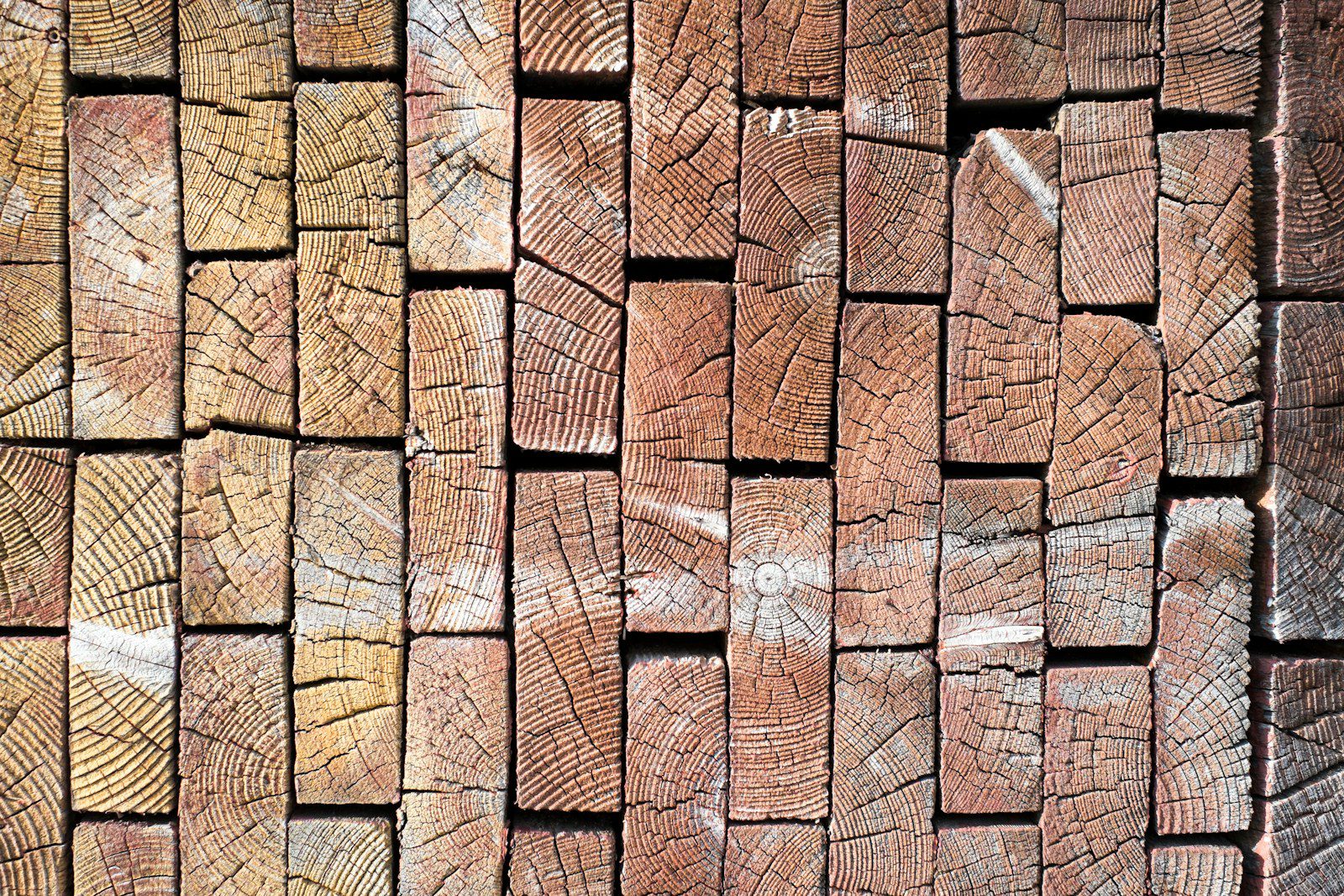
Photo by kindfolk on Unsplash
Understanding Sustainable Timber Practices
Sustainable timber practices have shifted the way we approach forestry and construction. The focus now is on responsible harvesting methods that ensure forest regeneration and ecosystem balance. Certified programs like the Forest Stewardship Council (FSC) promote responsible forest management, allowing consumers to select products that have been sourced ethically. This certification process includes stringent guidelines that prioritize environmental health and social equity.
As demand for sustainable resources grows, many companies are adopting these practices to enhance their corporate responsibility while appealing to a more environmentally-conscious consumer base. The team behind Olam Agri says that this commitment to sustainable sourcing fosters deeper partnerships with local communities and safeguards biodiversity. They actively support the long-term availability of timber by interacting with specialists in forestry management and conservation. These methodologies aim to safeguard forests from overexploitation while maintaining the economic benefits that timber resources provide to local economies.
Modern Applications of Sustainable Timber
The use of sustainable timber extends beyond traditional building materials to innovative architectural designs. Modern structures increasingly employ engineered wood products, such as cross-laminated timber (CLT) and glued laminated timber (glulam). These materials reduce carbon footprints and often offer superior performance compared to steel and concrete. CLT, for instance, is known for its excellent thermal properties, durability, and ability to significantly speed up construction time.
The benefits of these engineered products contribute to healthier indoor environments as well. Timber regulates humidity and captures carbon, making it a natural alternative compared to synthetic materials. The aesthetic qualities of wood resonate with biophilic design principles, promoting well-being in occupants through a connection with nature.
Challenges in Sustainable Timber Adoption
Despite the many benefits, there are noteworthy challenges in adopting sustainable timber practices within the construction industry. One primary concern is the perception of performance; many builders remain skeptical about the durability and safety of timber structures. Regulatory hurdles can slow progress when transitioning from traditional materials to timber-based solutions.
The cost may deter some developers, as sustainably sourced timber often comes at a premium compared to conventional options. Educating stakeholders on long-term savings from energy efficiency and durability can help alleviate these concerns. Training for builders about proper installation techniques and building codes is equally important. Increased knowledge can spur confidence in using timber in larger-scale developments.
Supply chain limitations pose challenges, as sustainably sourced timber may not always be available in sufficient quantities for large projects. Variability in timber quality and species can affect structural performance if not properly managed. Some architects and engineers are hesitant to specify timber due to limited precedent in certain types of commercial or high-rise construction.
Insurance and financing institutions may require additional assessments or certifications before supporting timber-based projects. Ongoing research and development are important to address performance concerns and optimize the design of timber structures for diverse environmental conditions.
The Future of Timber in Construction
Looking ahead, the potential for sustainable timber in modern construction seems promising. Architectural practices increasingly trend towards carbon-neutral designs, pushing more builders to explore timber’s capabilities. Governments are revising building codes to encourage wood construction as part of climate action goals. With the drive for higher energy efficiency, timber offers a low-carbon solution to achieve robust building standards.
Research into new treatments for timber that improve resilience to pests and the elements may further enhance its reliability. Innovations such as protective coatings and fire-resistant treatments continue to emerge, ensuring that timber can compete effectively against alternative materials. The growth of technology-driven timber solutions indicates an exciting time ahead for the construction industry.
Prefabrication and modular construction using timber are becoming more prevalent, reducing construction times and waste. Digital tools such as BIM (Building Information Modeling) allow architects and engineers to design timber structures with greater precision and efficiency.
Collaboration between academia, industry, and government can accelerate the adoption of timber by addressing technical and regulatory challenges. Public awareness of sustainable building benefits may drive demand for timber-based developments. Timber’s versatility, sustainability, and aesthetic appeal position it as a key material for the future of construction.
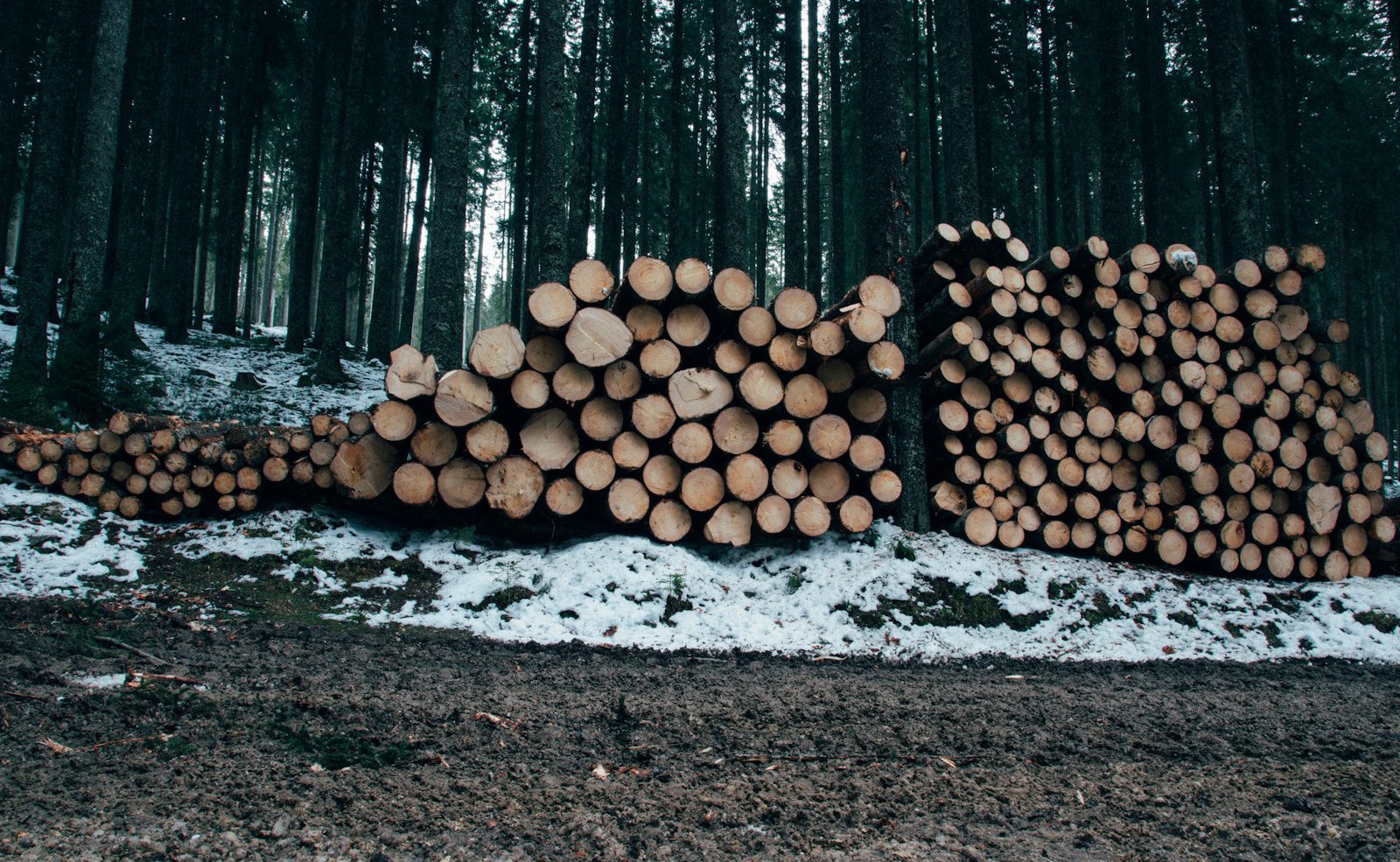
Photo by Ales Krivec on Unsplash
Building a Sustainable Future
Sustainable timber solutions represent a step towards a more eco-friendly construction industry. Promoting responsible timber harvesting and investing in modern applications creates a positive feedback loop for environmental stewardship.
By integrating sustainable practices into their operations, builders can forge deeper connections with local communities while generating economic growth. Emphasizing education and awareness about sustainable materials will drive adoption among architects, builders, and consumers alike.
As the construction landscape shifts, embracing timber’s potential benefits individual projects and contributes to a broader sustainable future.










Leave a Reply
You must be logged in to post a comment.