

Sun, Soil, and Storms: How Weather Shapes Agriculture and Outdoor Life in the Quad Cities
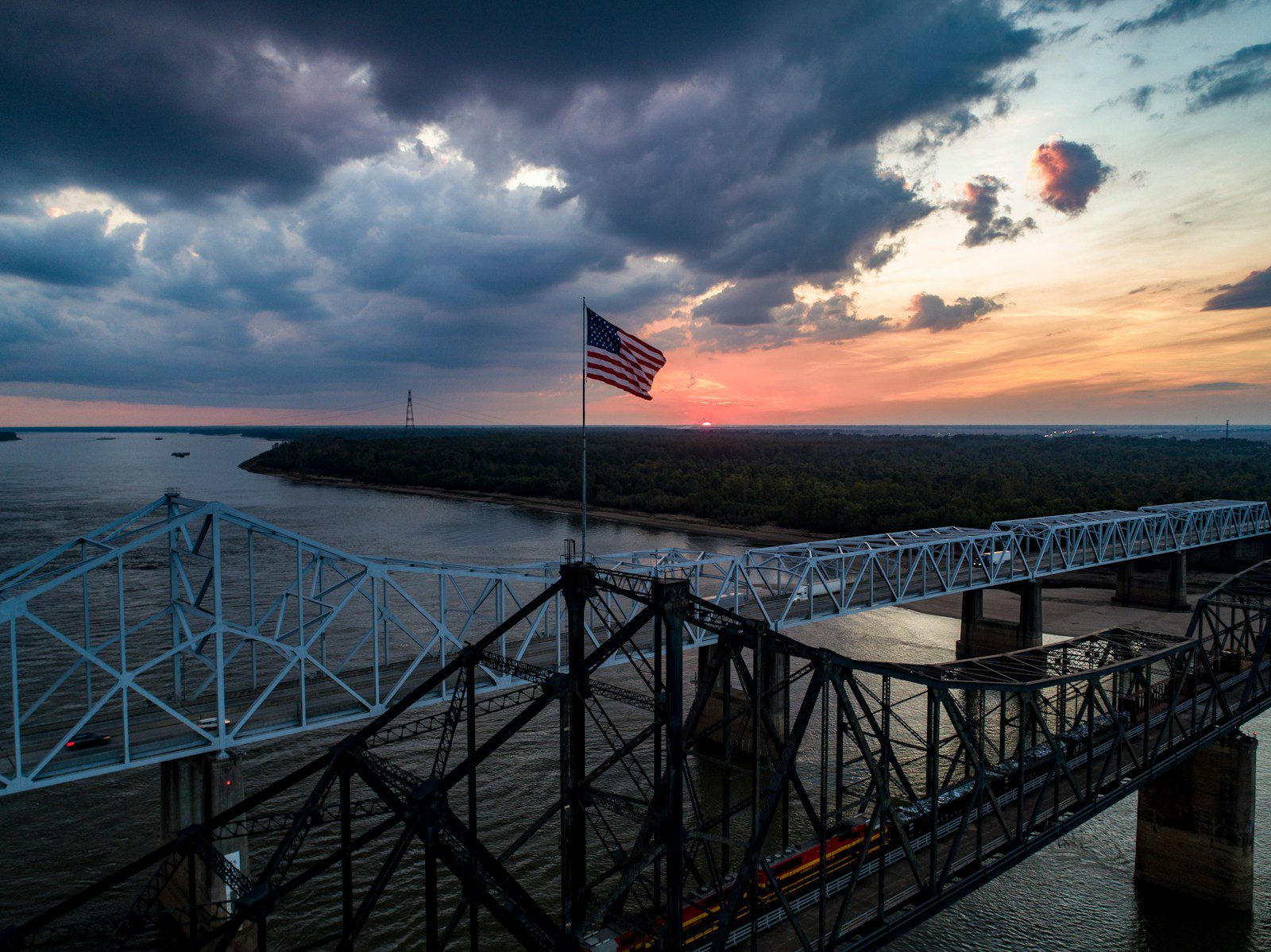
Photo by Justin Wilkens on Unsplash
The Quad Cities feel every shift in the seasons. Spring arrives with soft ground and muddy riverbanks. Summer opens with bright mornings and heavy air that can tip into thunder by mid-afternoon. By fall, the fields burn gold under a cooler sky, and winter waits with its familiar grip. Weather anchors the pace of work and play here. It influences what grows, which days feel right for a long ride along the river, and whether a picnic turns into a slow afternoon or a quick retreat. People learn to read the sky because the sky always has something to say.
Sun and Soil: How Farmers and Gardeners Depend on Weather Data
The growing season depends on small signals. Farmers wait for the right run of warm days before planting, while gardeners test the soil to see if it has finally warmed up. A brief cold snap can set young plants back, and a saturated field can erase weeks of careful planning. These shifts shape daily choices in subtle ways, whether someone is tending a large operation or a small garden behind the house.
Good information helps people judge what comes next. Some growers check long-range forecasts before moving equipment. Others explore tools that bring together broader patterns, including resources that explain how to load weather data into Microsoft Power BI, which can help them study trends that are not obvious at a glance. Anyone working with the land knows how quickly a season can swing, and the right insight can steady a year that might otherwise feel unpredictable.
Storms, Floods, and Safety Near the Mississippi
The river adds another layer of complexity. A quiet morning can shift toward trouble when dark clouds stack up to the west. Heavy rain far upstream can swell the Mississippi days later and push water into familiar places. Farmers watch how close the river creeps toward low fields. People who love the trails keep an eye on closures when the banks spill over. Sudden storms can scatter debris, delay fieldwork, or turn a planned afternoon outside into something entirely different. Reliable updates make these moments easier to manage. The National Weather Service Quad Cities office provides detailed alerts on thunderstorms, rising water, and early signs of flooding. These reports help families, farmers, and anyone headed outdoors prepare before the weather settles in. The region spends much of the year moving between sun and storms, and steady warnings give people room to react with a bit more confidence.
Outdoor Life in the Quad Cities: Parks, Trails, Festivals, and Fun
Spending time outside is part of the area’s character. Families head to riverfront concerts with blankets in tow. Cyclists trace long routes along the riverfront. Hikers drift toward shaded paths the moment the air softens. After months of cold, the first warm stretch feels like a cue to get moving again. Playgrounds fill quickly, patios come alive, and parks buzz with people enjoying the brief calm between rainstorms.
Anyone who spends enough time outdoors starts to recognize the region’s rhythms. Storms often build fast in late spring. Humidity settles in early and stays through August. October can swing from bright blue skies to a gray chill in a matter of hours. Event organizers learn these patterns and choose dates that give them the best shot at good weather. Plans may shift, but the draw to be outside rarely fades. Flexibility becomes a habit, and good days feel even better when you catch them at the right moment.
Staying Prepared With Local Weather Resources
Residents rely on simple tools to keep their days on track. Many people check radar before committing to a trail. Gardeners look closely at short-term forecasts to decide whether to water or wait. Weather apps and regional alerts help with quick choices, and the more detailed reports offer a clearer look at how the week might unfold.
Outings often hinge on timing, and a few local resources can shape the day in an easy, practical way. Community listings for things to do in the area help people choose between a sunny afternoon outside or a plan that keeps them dry when storms roll through. The options shift with the forecast, and that flexibility helps the region enjoy every season without feeling thrown off by quick changes in the sky.
A Region Shaped by the Sky
Life here mirrors the seasons. Fields rise and fall with each stage of growth. Trails turn from soft spring mud to dry paths in midsummer and then to a carpet of fallen leaves. People absorb these changes without much ceremony, checking the sky, reading the wind, and deciding whether the day calls for effort or ease.
This shared attention creates a quiet link among farmers, gardeners, and anyone who steps outside for the sake of fresh air. They read the same sky even if they use that knowledge differently. When the sun holds steady, the region opens up with energy and possibility. When storms arrive, people adjust without much pause. Weather sets the tempo, and the memories people carry from one season to the next often begin with a simple choice to step outside and see what the day has to offer.











Leave a Reply
You must be logged in to post a comment.