

Simple Ways to Stay Prepared for Unexpected City Accidents
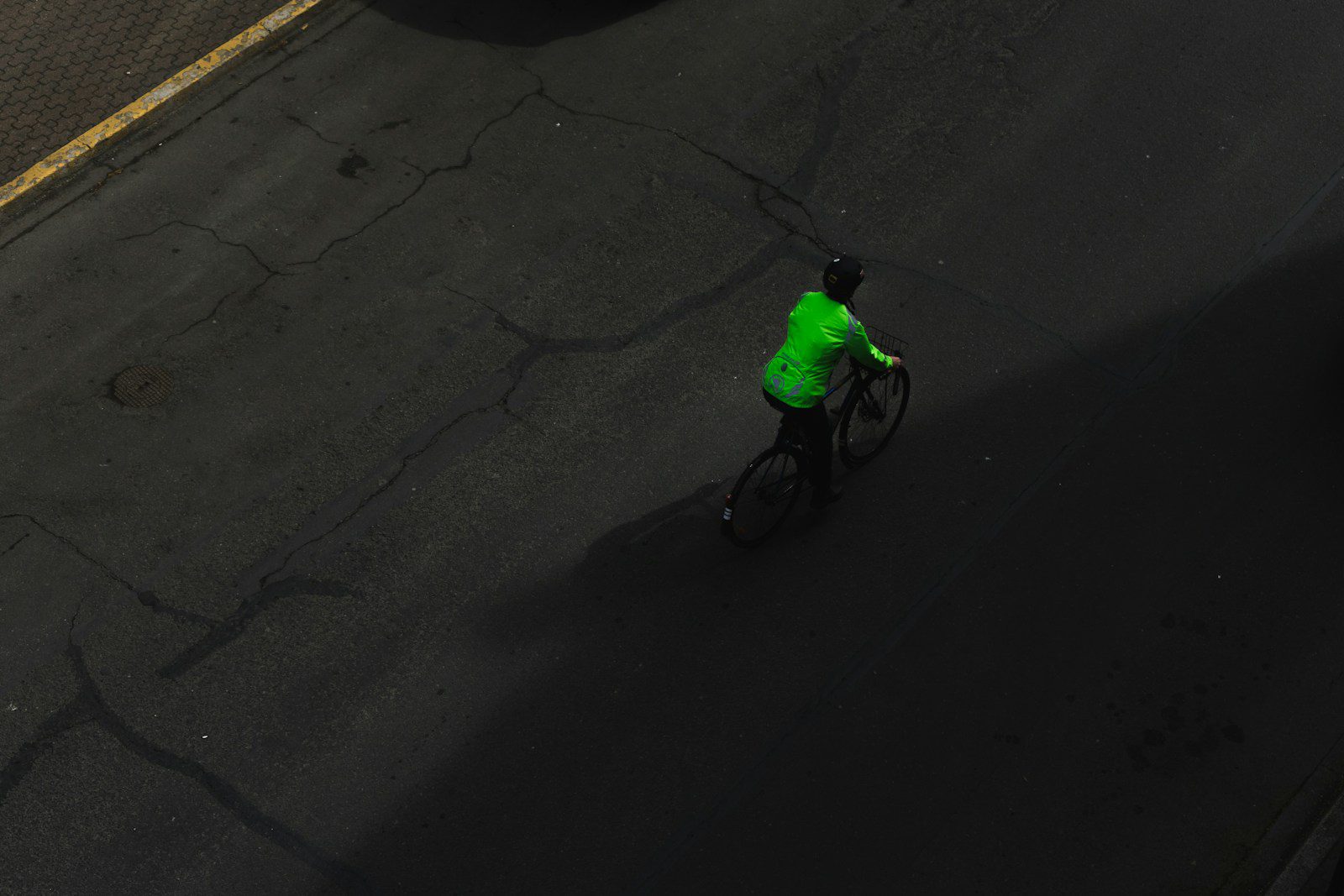
Photo by Sebastian Huxley on Unsplash
You never know what could get you in the city. There are cars everywhere. Buses can brake too hard. There are potholes you don’t notice. Slick sidewalks lead to falls. Every block has risks.
In the city, everything moves fast. But accidents happen faster. And when they do, it can hit hard. Accidents aren’t just about scraped knees. They can leave lasting effects. You can face physical and emotional trauma when you’re hurt.
Protecting yourself is key. Knowing how to act fast matters. Here are some simple ways to stay prepared for unexpected accidents around the city.
Pay Attention to Your Surroundings
Cars zip by fast on city roads. Cyclists weave in and out of traffic. Pedestrians step off curbs without looking at cars. These make every commute risky. If you’ve recently moved and are still adjusting to a new area, this can be even more stressful.
Always pay attention to your surroundings. Scan sidewalks. Watch where you’re walking. Watch intersections closely if you’re driving. Use your eyes and ears. Most importantly, your common sense. Being alert makes every commute feel safer. Commutes become more manageable.
Keep Emergency Contacts
If something goes wrong in the city, you want the right numbers ready. Family should be informed right away. Emergency services can help if you’re hurt. The local police can investigate situations. Make sure they’re easy to reach.
Store emergency numbers in multiple places. Save them on your phone. Write them down, too. Keep the list in your wallet. Or a pocket in your bag. Write instructions clearly for anyone who might need to call for you.
Having contacts handy speeds up help. You reduce stress. You won’t waste precious minutes Googling numbers at a time when every second matters. This makes a huge difference in the face of unexpected mishaps.
Use Public Transit Safely
Public transit is a lifeline in a busy city. But trains, buses, and subways come with their own hazards. Crowded platforms. Sudden stops. Slippery floors. These all cause accidents. And although data shows that public transit is safer than driving, it still pays to be cautious.
Always stay behind the yellow line. Hold on to handrails. Avoid distractions like looking at your phone while the doors close. Watch for unusual conditions or delays. Being careful makes every ride smoother. You’ll avoid falls. You’ll move confidently even in crowded stations.
Wear Reflective Gear When Night Biking
Biking at night can feel freeing. The streets are quiet. You get a clear view of the skyline. But it’s easy for drivers to miss you in the dark. Make sure others see you when you’re biking.
Wear a reflective vest. Turn on your bike lights. Check that they work before heading out. Add reflective strips to your helmet. Your backpack, too.
Being visible reduces accidents. Drivers will notice you sooner. You can avoid side swipes. You’ll dodge sudden door openings. Night rides become safe. Not just for you. For everyone on the road, too.

Photo by Jadon Johnson on Unsplash
Stay Aware of Weather Hazards
Rain and snow can turn city streets into obstacle courses. The sidewalks flood. Crosswalks get slippery. There’s poor visibility on the road. Basically, bad weather makes city hazards worse.
So, always check weather forecasts before leaving home. Dress for the conditions. Walk slowly on slick surfaces. Avoid streets prone to flooding. Corners known for ice buildup. Intersections where water pools.
When you’re aware of what to do in extreme weather, you’re in control. You won’t be caught off guard by sudden hazards. You’ll move safely no matter the weather.
Understand Your Rights While Working Around the City
City jobs can be physically demanding. Delivery puts you in traffic. Construction work exposes you to powerful equipment. Transit work puts you in busy railroads. Accidents can happen any day in the workplace. It’s important to know your legal protections.
Learn what steps to take if you’re ever hurt. What compensation you’re entitled to. For example, if you’re an Illinois rail worker and get injured on the job, contact a railroad accident attorney in Chicago. They’ll help you understand your options. They’ll protect your rights. Negligent employers won’t get away unscathed.
Learn Basic First Aid Skills
Accidents can leave someone hurt before help arrives. People get cuts. They trip and fall. Burns are common, too. Heart attacks can strike anywhere. Knowing first aid lets you act fast.
Take a certified course in CPR. Watch tutorials on the Heimlich maneuver. Learn how to treat small wounds. And how to stop minor bleeding. You could even carry around a mini first aid kit in your bag. First aid knowledge saves time. It can save lives.
Conclusion
City life moves fast. Accidents can happen in a blink. It can be small, like a bumped elbow in public transit. But it can also be severe, like a road accident. So, always keep your eyes open. Be aware of your surroundings. Carry emergency contacts. Know how to do first aid.
These steps give you control. They help you stay calm when chaos hits. Most importantly, they keep you safe. Follow them, and city life will feel less risky. You’ll move through the streets you love with confidence.











Leave a Reply
You must be logged in to post a comment.