

Simple Ways To Make Your Home Feel Safer And More Secure
Creating a home that feels secure is more than just installing locks or alarms. It is about crafting an environment where you can relax and enjoy peace of mind. Safety measures in a home reduce the risk of accidents, deter potential intruders, and provide a sense of confidence for everyone living there. From structural improvements to everyday habits, there are numerous ways to make a home safer and more secure. This guide explores practical steps that can transform your living space into a place of comfort and protection.
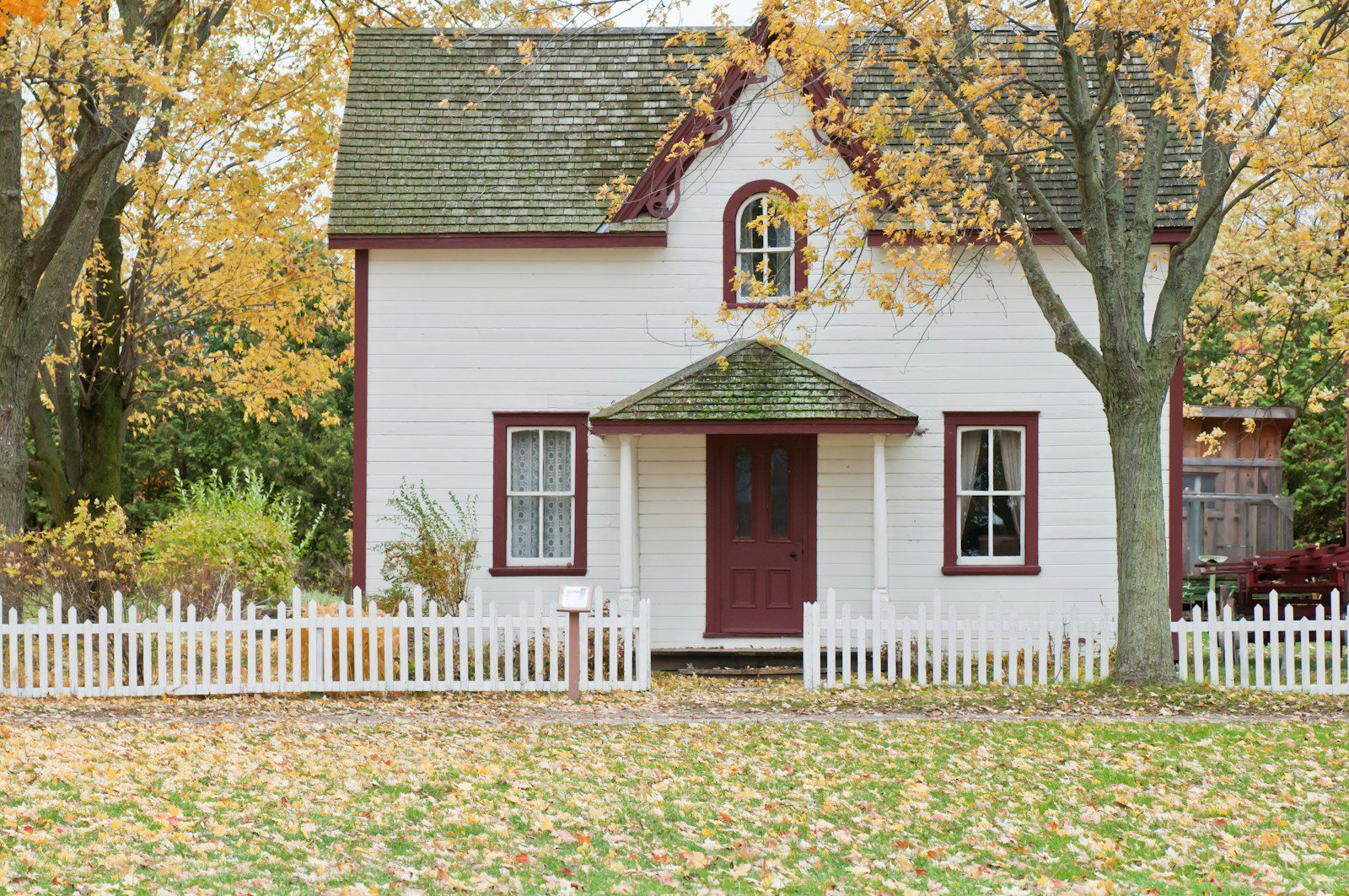
Photo by Scott Webb on Unsplash
Strengthen Your Roof
A strong roof is often the first line of defense for a home. It protects not only against the weather but also prevents structural weaknesses that can compromise safety. If your roof has visible damage or has aged considerably, it might be time to request a roofing quote to evaluate the condition and explore high-quality roofing options. Investing in durable materials and professional installation provides a long-lasting barrier against leaks, pests, and potential hazards. A well-maintained roof reduces the chance of accidents inside the house and keeps the structure sound for years.
Improve Outdoor Lighting
Well-lit outdoor areas can discourage intruders and reduce the risk of accidents. Installing motion-sensor lights near entrances, pathways, and the backyard can help you detect unusual movement at night. Lighting should cover dark corners and vulnerable spots without creating glare that affects visibility. Solar-powered lights are an eco-friendly choice that requires minimal upkeep. Regularly checking bulbs and replacing them as needed ensures that all areas remain well illuminated, supporting a safer and more secure environment.
Upgrade Door and Window Locks
Locks are a critical component of home security. High-quality deadbolts on exterior doors make it more difficult for intruders to gain entry. Windows with secure locks, especially on the ground floor, provide an additional layer of protection. Reinforced doors, security bars, or laminated glass can make your home more resistant to forced entry. Regularly testing and maintaining these locks helps prevent mechanical failures that might compromise security. Choosing locks with advanced features such as keyless entry can also provide convenience without sacrificing safety.
Install a Security System
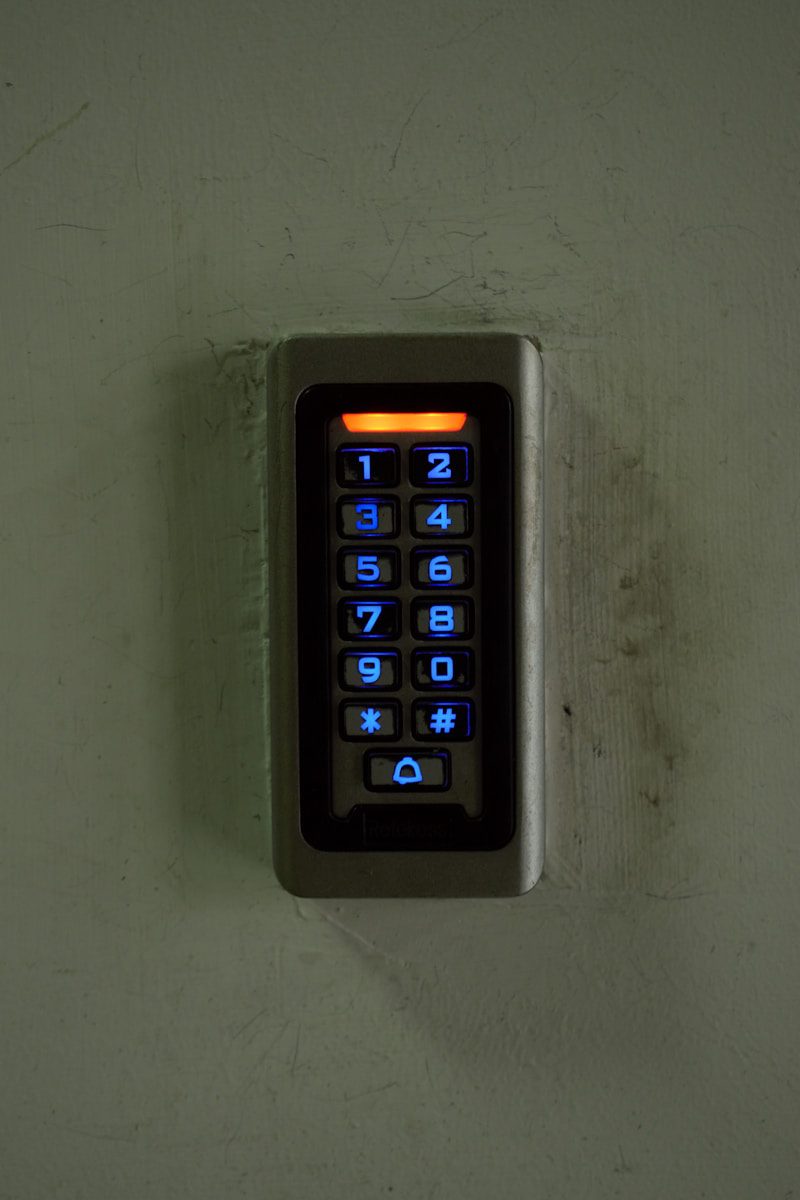
Photo by vuk burgic on Unsplash
Modern security systems offer more than alarms. Cameras, smart sensors, and remote monitoring allow homeowners to keep track of their property from anywhere. Even a basic setup that alerts you to movement or unauthorized entry can act as a deterrent. Placing cameras at strategic points, like entrances and driveways, increases visibility of potential threats. Some systems allow integration with smartphones or other devices, offering alerts and live feeds that make it easier to respond quickly to incidents. Properly maintained systems can give a strong sense of control over your home’s safety.
Maintain Clear Visibility Around Your Home
Overgrown bushes or poorly organized yards can create hiding spots for intruders and increase the risk of tripping or falling. Keeping shrubs trimmed, trees pruned, and pathways unobstructed improves both security and safety. Clear lines of sight allow neighbors or passersby to notice unusual activity and make it easier to navigate the area safely. Regular inspections of fences, gates, and walkways help identify potential hazards before they become serious issues. A tidy exterior communicates that the home is cared for and less vulnerable to threats.
Prepare for Emergencies
Being ready for emergencies is one of the most effective ways to protect your home and the people in it. This includes planning for events such as fires, severe weather, power outages, or medical incidents. Establishing clear escape routes for every room ensures that everyone knows how to exit the house safely and quickly. Keeping fire extinguishers in easily accessible locations, along with smoke and carbon monoxide detectors, provides early warnings and tools to handle dangerous situations. Stocking first aid kits with essential supplies such as bandages, antiseptics, and medications allows for immediate care in case of minor injuries.
It is also wise to maintain backup supplies like flashlights, batteries, bottled water, and non-perishable food to manage extended power outages or other disruptions. Family members should be familiar with emergency contacts, including local fire, police, and medical services, and practice drills regularly so that everyone reacts calmly under stress.
Creating a safer and more secure home requires a combination of preventive measures and practical upgrades. From reinforcing the roof to maintaining clear outdoor spaces and installing modern security systems, every action contributes to a protective environment. Simple habits, like keeping locks in good condition and planning for emergencies, further strengthen safety. By paying attention to both the structure and daily routines, a home can become a place where comfort and security coexist naturally, providing peace of mind for everyone who lives there.











Leave a Reply
You must be logged in to post a comment.