

Roofing Maintenance Tips for Quad Cities’ Seasonal Weather
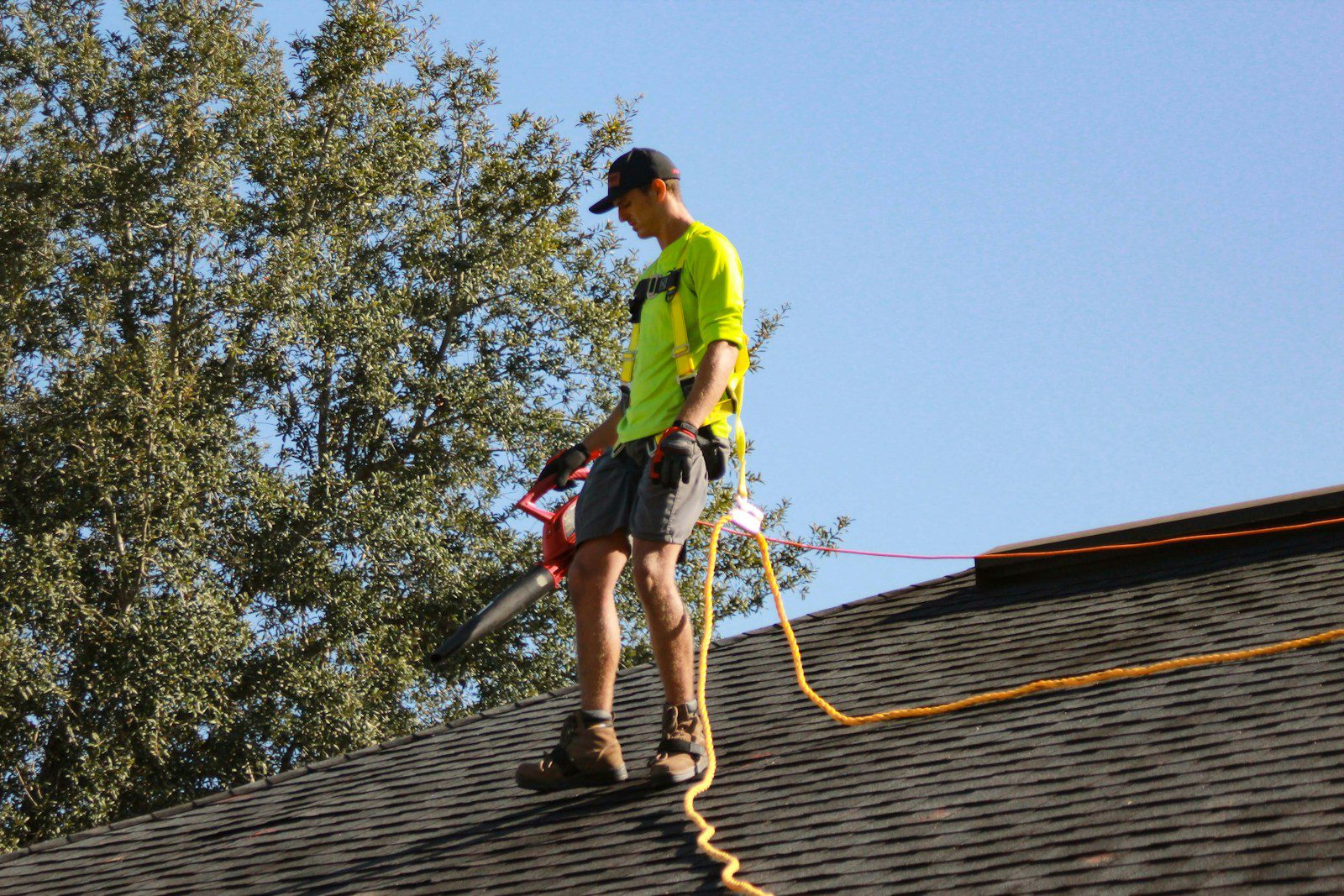
Roof maintenance is something every homeowner in the Quad Cities should take seriously.
With four distinct seasons—icy winters, rainy springs, hot summers, and leaf-filled falls—your roof takes a beating all year long.
This article will break down practical, season-by-season roofing maintenance tips to help protect your home and extend the life of your precious roof.
According to Instant Roofer, roof replacement costs have been steadily rising across the country, so definitely pay attention for your wallet’s sake!
Understanding Seasonal Weather Challenges
Each season in the Quad Cities presents different weather challenges that can affect your roof.
Here’s what you can expect:
Winter
What to anticipate: Snow, ice dams, freezing temperatures
Potential issues: Can cause leaks, structural stress, and ice buildup
Spring
What to anticipate: Heavy rains, windstorms, flying debris
Potential issues: Leads to water damage and missing shingles
Summer
What to anticipate: Heat, UV rays, thunderstorms
Potential issues: Causes shingle damage and flashing gaps
Fall
What to anticipate: Falling leaves, cooler temperatures, early frost
Potential issues: Results in clogged gutters and the need to prep for winter
These conditions wear down your roof faster than normal. If you don’t adjust your maintenance with the seasons, small issues can quickly turn into expensive repairs.
Seasonal Roofing Maintenance Tips
Fall Maintenance: Preparing for Winter
Fall is your most important maintenance season. What you do now determines how well your roof handles winter.
Clean your gutters and downspouts completely. Remove all leaves, twigs, and debris. Clogged gutters cause water to back up and freeze, creating ice dams.
Remove all debris from your roof surface, especially in valleys where leaves tend to accumulate. Wet leaves retain moisture and can lead to rot or mold.
Key fall tasks:
- Inspect and replace damaged or loose shingles
- Check flashing around chimneys, vents, and skylights
- Trim the excess tree branches that hang over your roof
- Look for loose brackets, worn sealants, or small cracks
Check your attic insulation and ventilation. Poor insulation lets heat escape, which melts snow and creates ice dams. Make sure vents aren’t blocked.
Winter Maintenance: Managing Snow and Ice
Winter maintenance focuses on managing snow loads and preventing ice dams. Safety comes first—never climb on an icy roof.
Use a sturdy roof rake to remove heavy snow from the edges of your roof. Remove snow when it accumulates to a depth of more than 6 inches. Work from the ground and pull the snow down carefully.
Watch for ice dams along roof edges. These form when heat escapes and melts snow, which then refreezes at the edges. Large icicles or ice buildup signal ice dam problems.
Check your attic for condensation or moisture buildup. Excess moisture causes mold growth and rots the roof decking. If you find moisture problems, improve ventilation and insulation.
For major snow removal or ice dam problems, hire professionals. Working on icy roofs is dangerous.
Spring Maintenance: Post-Winter Inspection and Repair
Spring is inspection time. Winter weather may have caused damage that needs immediate attention.
Walk around your house and thoroughly inspect for missing shingles, damaged flashing, or loose gutters. Look for water stains on ceilings or walls inside your home.
Clean the gutters again and ensure that the downspouts drain properly. Spring rains can be heavy, and your drainage system needs to work perfectly.
Inspect your attic for possible signs of water damage, mold, or rot. Look at the roof decking from underneath for dark spots, soft areas, or white mold growth.
Schedule a professional roof inspection in spring. A trained roofer spots problems you might miss. Early detection saves money on major repairs.
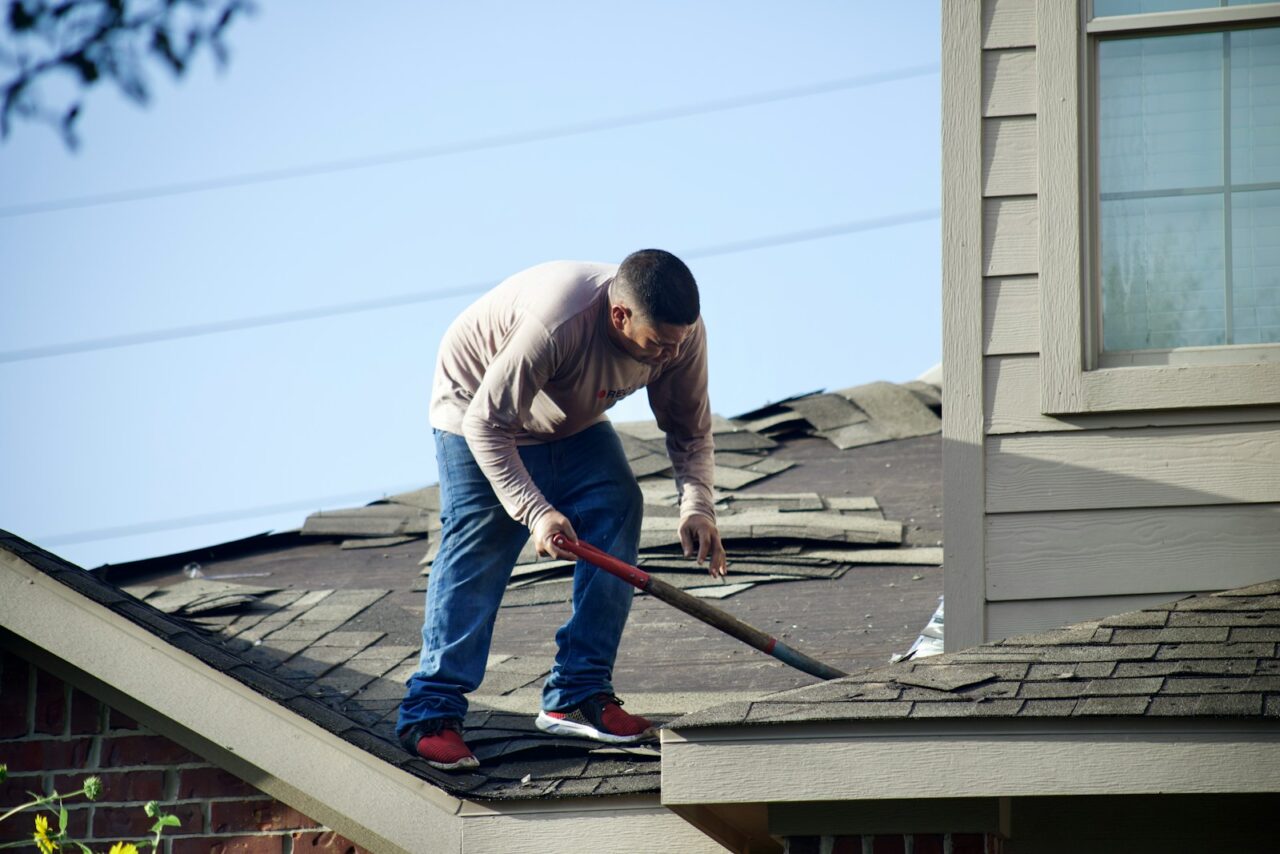
Summer Maintenance: Protecting Against Heat and Storms
Summer heat damages your roof in ways you might not notice. Hot weather causes shingles to curl, crack, or lose their protective granules.
Check shingles for heat damage. Look for curling edges, cracks, or bare spots where granules have worn away. Metal flashing expands and contracts, creating gaps that allow water to enter.
Trim tree branches before storm season. Strong winds break branches and damage roofs. Keep branches at least 6 feet from your roof surface.
Consider scheduling a professional inspection before peak storm season. A roofer identifies weak spots that might fail during severe weather.
Year-Round Proactive Maintenance Tips
Don’t wait for a problem. Make roof care part of your home routine.
Keep a simple checklist:
- Clean gutters every 3 months: Prevents water damage and ice dams.
- Trim trees twice a year (spring and fall): Reduces leaf buildup and branch damage.
- Inspect your roof after big storms: Catch broken shingles or flashing early.
- Fix small issues right away: Avoid bigger, more expensive problems.
- Schedule professional inspections in spring and fall: Detects problems early and saves money.
Wrapping Up
Living in the Quad Cities means dealing with tough weather throughout the year.
By tailoring your roof maintenance to each season, you can prevent damage, save money, and extend the lifespan of your roof.
Regular care doesn’t have to be complicated. Keep it simple, stay consistent, and reach out to local roofing experts when needed.
A strong roof means a safe, dry, and protected home year-round.











Leave a Reply
You must be logged in to post a comment.