

Renting Or Owning: Which Lifestyle Choice Fits You More?
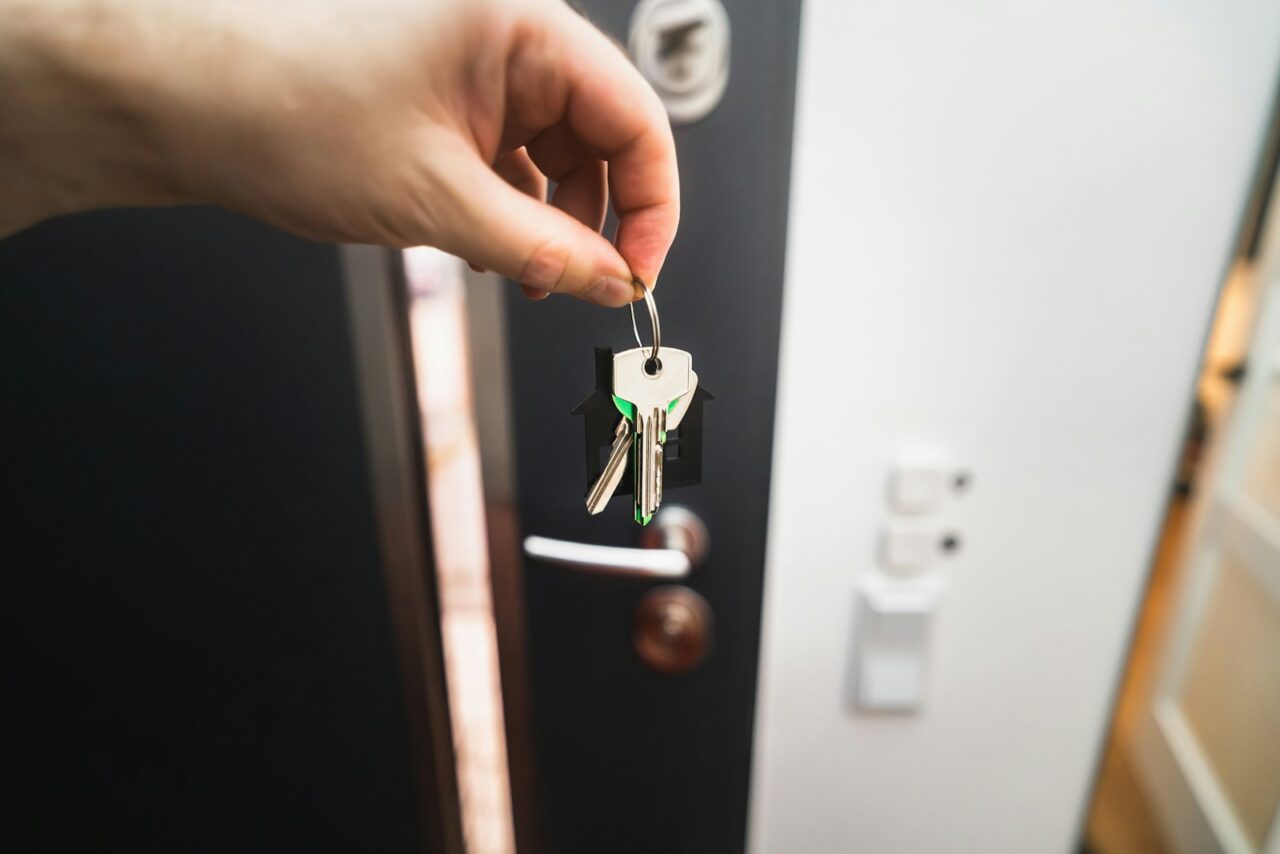
Photo by Jakub Żerdzicki on Unsplash
The decision between renting and owning a home is one of the most significant choices many people face in their lives. Each option comes with its unique advantages and challenges, and the right choice often depends on personal circumstances, lifestyle goals, and financial stability. As young professionals enter the housing market or families contemplate relocation, understanding the nuances of renting versus buying is key to making an informed decision. This article explores key factors to consider, including financial implications, lifestyle flexibility, and long-term investment potential.
Understanding the Financial Landscape
At the core of the renting versus owning debate lies financial considerations. Owning a home typically requires a substantial upfront investment, including a down payment, closing costs, and ongoing maintenance expenses. Research indicates that the average American homebuyer spends around 6% of a home’s purchase price on closing costs alone. In contrast, renting usually requires a security deposit and the first month’s rent, making it more accessible for many individuals and families.
While homeowners can build equity, renters enjoy the benefit of avoiding the unpredictable costs associated with property ownership. Significant repairs like roof replacements or plumbing issues fall solely on the landlord’s shoulders. Property values can fluctuate, and renters are insulated from market downturns, thus reducing their financial risk.
Lifestyle Flexibility vs. Stability
Another critical aspect when deciding between renting and owning is lifestyle flexibility. Renting allows individuals to relocate quickly without the responsibilities that come with selling a home. This is particularly appealing for those who may be starting new jobs in different cities or prefer exploring various neighborhoods before committing long-term. Renting provides a level of freedom that can enhance one’s quality of life, enabling access to new opportunities without the burden of a mortgage.
On the other hand, owning a home offers stability and permanence. For families, a stable environment can lead to a stronger sense of community and belonging. Homeowners can customize their spaces according to their preferences, while renters often face restrictions from landlords. The emotional aspects of creating a home often resonate strongly with those who choose to buy rather than rent, particularly for people seeking to establish roots.
Long-term Investment Potential
The potential to build wealth through real estate ownership cannot be overlooked. Real estate has historically been a solid long-term investment, with home values generally appreciating.
It’s crucial to note that the value of a home is not guaranteed to rise in the short term. Those who are risk-averse may prefer to rent, as their housing expenses remain fixed. For individuals considering a more stable financial future, investing in Gympie real estate properties for lease can offer a balanced approach. Renting in a desirable area may provide access to a higher earning potential while avoiding the risks associated with fluctuating property values.
Market Trends and Geographic Considerations
Understanding current market trends is crucial for making an informed decision about renting versus owning. In markets experiencing high demand and low inventory, renting may be the more feasible option until conditions shift. On the other hand, in areas where the real estate market is more favorable for buyers, purchasing a home could represent an advantageous investment.
Geographic consideration plays a significant role in determining the best option for you. Urban settings often have a dynamic rental market, appealing to professionals who prioritize location, convenience, and access to amenities. Conversely, suburban and rural areas tend to favor homeownership, as properties may be more affordable, and fewer rental options exist. Understanding your local market can greatly influence your choice.
When to Rent and When to Buy
Making the right choice between renting and buying depends on personal circumstances, including financial readiness, job stability, and plans. Generally, if you anticipate frequently moving for work or seek to minimize long-term commitments, renting might be the better option. The flexibility offered by a rental agreement can be a strong advantage in rapidly changing job markets.
On the contrary, if you’re settled in your career, plan to stay in one place for several years, and are prepared for the costs of homeownership, buying a home might offer significant long-term benefits. Building equity while enjoying the stability of homeownership aligns well with many individuals’ financial goals.

Factors Influencing Your Decision
Several factors should influence your decision about renting versus buying a home. Consideration of your current financial situation, your job stability, family circumstances, and personal preferences can guide your choice. Speak with financial advisors to understand what makes sense for your budget, and evaluate your readiness for homeownership.
Think about your lifestyle priorities. Do you value flexibility or stability more? The emotional aspect of whether it feels better to own or rent is often overlooked, yet it plays a significant role in the decision-making process. Balancing financial capacity and personal desires will lead to the best decision for your unique situation.
This exploration of renting versus owning underscores the complexity of this significant life decision. Both options offer unique rewards and challenges, depending on individual circumstances and market conditions. By carefully evaluating financial aspects, lifestyle priorities, and personal circumstances, you can choose the option that best aligns with your goals. Whether you decide to rent or buy, understanding these considerations will enable you to make a thoughtful and informed choice that fits your lifestyle and future aspirations.










Leave a Reply
You must be logged in to post a comment.