

Quad Cities Farming Focus: Building Reliable Structures for Midwest Seasons
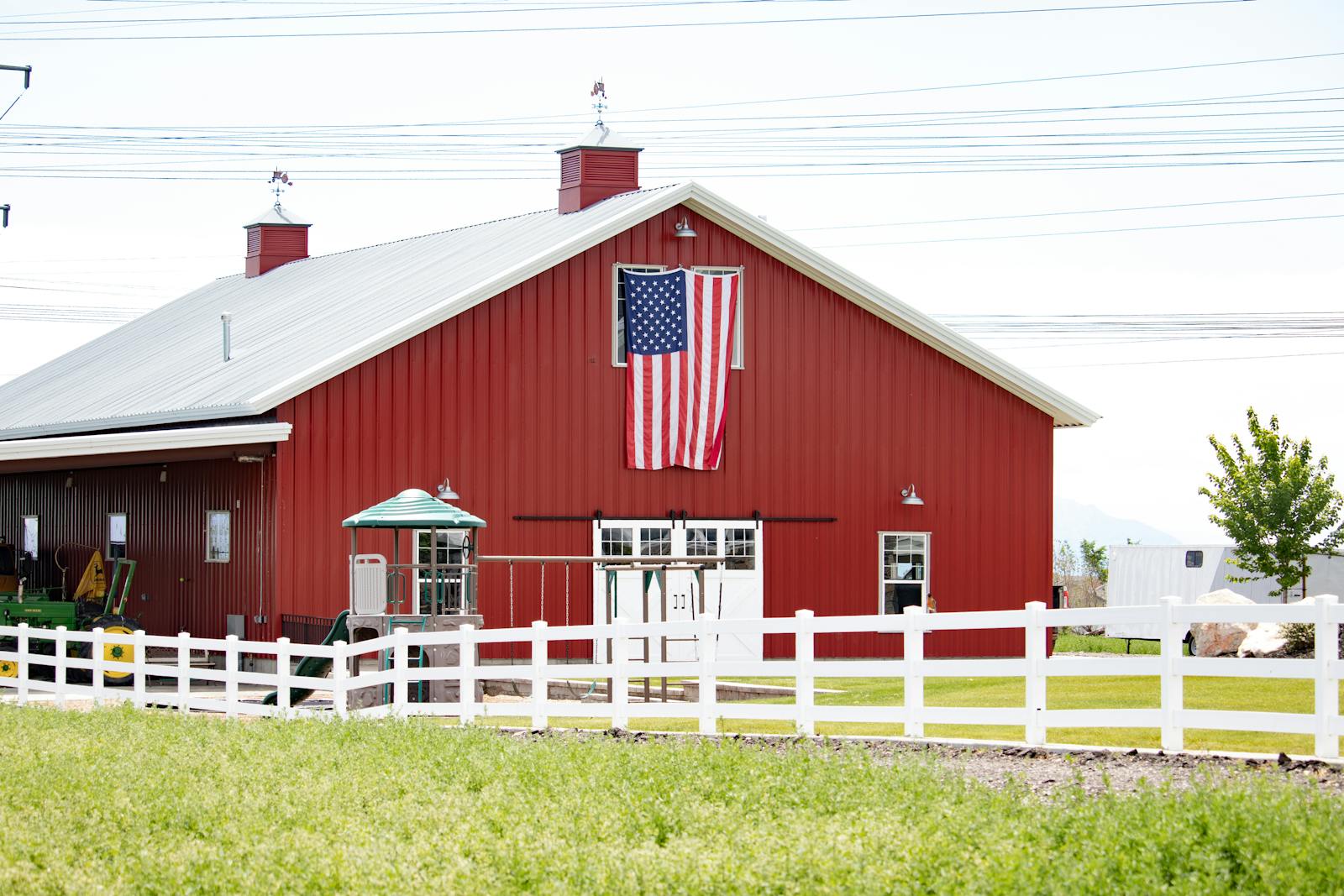
Photo by Tony Mucci on Pexels
Farming in the Quad Cities region comes with a deep respect for the seasons. Winter snow can settle heavily on rooftops. Spring storms sweep across open fields. Summer humidity tests every material exposed to the elements. Out here, buildings are expected to take a beating and keep doing their job.
A dependable farm structure does more than store equipment or shelter livestock. It protects the investments that keep an operation running day after day. When tractors, grain, tools, and feed depend on the same roof, reliability stops being a nice-to-have.
Across the Midwest, pole barns have earned their reputation as one of the most practical solutions for agricultural properties. They’re straightforward, flexible, and easier to size around real farm needs. And when the roof system is built for the conditions, choices like steel trusses for pole barns can help landowners plan for snow, wind, and years of hard use without losing sleep over what the next storm might do.
Understanding the Demands of Midwest Weather
Life on a Midwest farm means keeping one eye on the sky. Illinois and Iowa can swing fast, and those shifts put real pressure on agricultural buildings.
Snow load is one of the toughest tests. A wide roof can collect thousands of pounds in a single storm, and if the structure isn’t built for it, problems show up quickly: sagging lines, stressed connections, even doors that stop closing right.
Wind brings a different kind of wear. In exposed areas around the Quad Cities, gusts can hit hard and keep working over time, loosening fasteners, racking framing, and shortening a building’s working life.
Then there’s the slow grind of temperature swings. Cold winters and humid summers force materials to expand and contract repeatedly, and only solid construction holds steady through that cycle.
Why Pole Barns Remain a Popular Choice for Farmers
Drive through rural parts of the Quad Cities area, and you’ll see pole barns everywhere. Some house tractors and combines. Others pull double duty as workshops, machine sheds, or storage for seed and supplies. They’re popular for one main reason: they make farm life easier.
Post-frame construction keeps the structure simple and the interior wide open, with fewer supports getting in the way. That extra space matters when you’re parking bigger equipment, pulling in trailers, or trying to work indoors without squeezing past posts.
They also go up fast once the site is ready, which helps when the season is moving, and you don’t have months to spare.
And they adapt. Today it’s machinery storage. Next year, it’s a repair bay, hay space, or the spot where parts and tools finally have a home. Farm needs change, and pole barns keep up.
Choosing Materials That Last for Decades
A farm building proves itself over time. Equipment rolls in and out every day. Supplies stack up with the seasons. The structure has to keep doing its job through years of real wear. Materials that hold up under pressure save owners from a steady cycle of patching and replacing.
Wood framing still has a place in agricultural construction, but long stretches of moisture, humidity, and temperature swings can wear it down. Over the years, exposure can lead to warping, rot, or pest damage if conditions line up. On a working farm, those problems usually show up when time is already tight.
Steel brings a different kind of staying power. It holds its shape, resists insects and decay, and stays consistent through weather swings that can punish other materials. In a region where heavy accumulation can put real strain on a roof, snow load and roof design sit right in the middle of the durability conversation, because strength on paper has to match what the weather delivers in real life.
Durability shows up in the bottom line in quiet ways. Fewer maintenance headaches. Fewer unpleasant surprises after a rough winter. More confidence that the building will still be solid ten or twenty years from now.
Planning a Building That Works Hard Year-Round
A strong structure starts before the first post goes into the ground. Site prep, drainage, and layout choices shape how well a building behaves over time. A bad location can invite standing water and soft ground. A smart location keeps runoff moving away and reduces stress on the building.
Roof pitch and overhangs matter more than people want to admit. The right pitch helps snow shed. Overhangs can protect walls from rain and reduce splash-back that keeps moisture lingering where it shouldn’t.
Ventilation is another detail that pays off. Equipment brings moisture in from the field. Summer humidity hangs in the air. Without airflow, condensation can build up and quietly rust tools, degrade stored materials, and make the whole space feel clammy. A building that breathes stays easier to work in and easier to keep clean.
Multi-purpose use is worth planning for, too. A little extra door width, a bit more ceiling height, or a cleaner interior layout can make the difference between “good enough” and genuinely useful. Farmers rarely regret building for the equipment they’ll have in five years, not just what they own today.
Supporting the Quad Cities Agricultural Community
Farming has long shaped the Quad Cities region. A short drive outside town opens into fields, grain bins, and family farms that keep local work moving. Those operations rely on buildings that can handle rough weather and tight timelines.
Good structures do their job without drama. They protect equipment, make repairs possible when the day runs long, and keep supplies where they belong.
Seasonal swings still set the pace here. Local coverage often reflects how weather shapes agriculture and outdoor life in the Quad Cities, and that same pressure lands on every roof and frame on the property.
Built right, farm buildings become part of the region’s backbone, steady through storm season, harvest, and everything in between.









Leave a Reply
You must be logged in to post a comment.