

Practical Ways to Settle Into a New Neighborhood

Photo by HiveBoxx on Pexels
Have you ever unpacked in a new house and realized you know more about your favorite streaming app’s recommendations than you do about the people living across the street? Moving into a new neighborhood can feel disorienting, especially today when routines are already stretched thin by long work hours, digital distractions, and the aftershocks of a pandemic that redefined how people interact. In this blog, we will share practical ways to settle into a new neighborhood and make it feel like home.
Start With a Smooth Landing
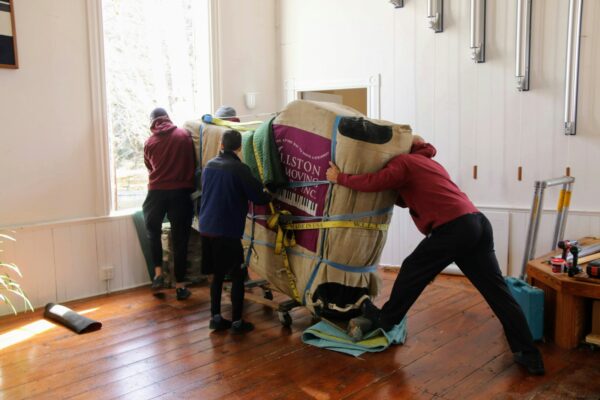
Settling in begins long before you walk through the front door. The actual move sets the tone for how quickly you can transition from “outsider” to part of the neighborhood. A chaotic move means boxes everywhere, essentials hidden under piles, and little energy left to meet anyone new. A well-managed move gives you room to breathe and start integrating faster. That’s why choosing the right moving company matters.
Working with trusted services like Solomon & Sons Relocation can make a difference in how quickly you shift from stressed mover to settled resident. Professional movers not only handle the logistics but also help keep your transition organized. They reduce the physical toll and free up mental energy, which allows you to focus on what really matters—getting to know your surroundings and connecting with neighbors. Instead of spending the first week chasing lost boxes or repairing damaged furniture, you can invest that time in small, meaningful steps like visiting local shops or introducing yourself to the family next door.
A smooth landing doesn’t just make life easier; it sets the stage for how you approach everything else. The faster you feel at home within your walls, the easier it is to extend that sense of comfort beyond them.
Observe Before You Jump In
Every neighborhood has its rhythm. Some places are full of families biking in the evenings. Others revolve around early morning dog walks or weekend markets. Before you dive into activities, take a little time to observe. Notice when people are outside, where they gather, and how they interact. This helps you ease into the flow instead of feeling like you’re pushing against it.
Current trends show that communities are becoming more intentional about creating public spaces that foster interaction. Parks, walking trails, and coffee shops often serve as informal meeting hubs. Spending time in these spaces naturally puts you in touch with people without forcing awkward introductions. Observation also gives you a sense of what matters to the neighborhood—whether it’s keeping yards tidy, supporting local businesses, or organizing block parties.
Once you’ve picked up on the rhythm, start engaging. A casual “good morning” to a neighbor watering plants can lead to small talk, which later leads to real connection. These incremental steps are how most communities grow closer, not through grand gestures but through consistent, everyday encounters.
Support Local and Get Familiar
One of the fastest ways to feel like part of a neighborhood is to participate in its economy. Supporting local businesses not only helps you settle in but also connects you to people who are deeply tied to the community. The barista at the corner café or the owner of the hardware store often know more about the neighborhood than any map could tell you.
In broader societal terms, this trend toward supporting local reflects a growing pushback against faceless consumer culture. After years of online shopping dominance, people are rediscovering the value of knowing who they’re buying from. When you start frequenting local spots, you’re not just spending money—you’re learning, connecting, and contributing to the culture of the place you now live in.
Getting familiar also means learning the practical side of your new environment. Understand the recycling schedule, figure out the best routes to avoid traffic, and learn where the nearest pharmacy, grocery store, and clinic are located. These details may sound dull, but they shape how comfortable and capable you feel in your new setting.
Find Small Ways to Contribute
Communities thrive when people participate. You don’t have to run for the HOA board or organize a neighborhood festival, but small acts of contribution matter. Volunteering at a local clean-up, helping a neighbor shovel snow, or joining a community garden shows that you’re invested.
Societal trends point to a growing desire for connection that feels authentic. After years of digital-first living, people are seeking community in real-world settings. By showing up for small acts of service, you build credibility and demonstrate that you care about more than just your own property. These gestures often open doors to friendships that might not develop otherwise.
Contribution also has a self-serving benefit: it roots you in place. When you put effort into a community, you’re more likely to value it and feel pride in being part of it. That feeling transforms “where I live” into “my neighborhood.”
Create Your Own Anchor Points
Settling into a new neighborhood isn’t only about fitting into what already exists—it’s also about creating routines that anchor you. Maybe it’s a morning walk, weekly visits to the farmer’s market, or Friday dinners at a local spot. These rituals give structure to your new life and provide natural opportunities for connection.
Rituals also help combat the disorientation that often follows a big move. When everything feels unfamiliar, having a few predictable activities provides stability. Sociologists note that rituals play a significant role in helping people adapt to change. By establishing your own, you give yourself a foundation to build on while gradually weaving yourself into the community fabric.
Anchors don’t have to be grand or costly. They just need to be consistent. Over time, you’ll notice that the people who cross paths with you during these rituals begin to recognize you, creating organic connections that feel natural instead of forced.
The Long View
Moving into a new neighborhood isn’t a sprint. It’s a long-term process that unfolds gradually, built on small interactions and steady participation. The cultural push toward fast results often makes people impatient, but communities don’t work that way. Relationships take time, and familiarity grows through repetition.
The goal isn’t to become best friends with every neighbor but to develop a sense of belonging. That sense comes from showing up, engaging authentically, and allowing trust to build over time. When you combine practical steps with patience, a once-unfamiliar place becomes the backdrop for your daily life, full of people and patterns that make it feel like home.










Leave a Reply
You must be logged in to post a comment.