

Medical Conferences Explained: Why They Matter More Than Ever

Photo by Yusuf Timur Çelik on Unsplash
In the advancing field of medicine, networking cannot be overstated. Medical conferences have emerged as critical venues for healthcare professionals to share the latest research, discuss treatment advances, and collaborate across specialties.
These events foster professional development and improve patient care in significant ways. As we explore the necessity of these conferences, we will delve into their benefits, the growing field of medical education, and the role they play in shaping the future of healthcare.
The Value of Networking in Medicine
One of the primary advantages of attending medical conferences is the opportunity for networking. Healthcare professionals can connect with peers, industry leaders, and researchers, forging relationships that can enhance collaborative efforts and facilitate knowledge sharing.
These connections can lead to partnerships on research projects, clinical trials, and innovative treatment methods. As noted by the American Medical Association, networking can significantly accelerate professional growth and lead to career advancement opportunities.
Attendees can exchange insights on emerging trends and share best practices, further enriching their understanding of various medical fields. The social aspect of networking cannot be overlooked, particularly in medicine, where practitioners often work in isolation. Conferences provide a platform for interactions and discussions that can break down these barriers, allowing professionals to draw from each other’s experiences.
Showcasing Latest Research and Innovations
Medical conferences serve as a showcase for groundbreaking research and technological advancements. Researchers presenting their findings have the opportunity to reach a diverse audience, gaining critical feedback and sparking discussions that may propel their work forward. Attendees can learn about new drugs, treatment protocols, and innovative clinical practices that can positively impact patient outcomes.
Many conferences host workshops and demonstrations where healthcare professionals can gain hands-on experience with new technologies and practices before they are implemented in everyday clinical settings. Conferences often highlight areas that are emerging as frontiers in medical science. You should know that oncology CME programs provide space for the latest findings in cancer research, treatment options, and patient management strategies. By attending these sessions, healthcare providers become well-informed about cutting-edge advancements that can directly influence their practice. The sharing of diverse perspectives and comprehensive discussions around novel research further contributes to a culture of continuous innovation in medicine.
CME and Professional Development
Continued Medical Education (CME) is a significant component of medical conferences, as these events often provide accredited opportunities for physicians to fulfill their education requirements. Participants can earn valuable CME credits while engaging with the latest clinical knowledge, all within an environment designed for learning. This ongoing education is vital for maintaining medical licensure and for ensuring that providers remain at the forefront of best practices and current standards in patient care.
Many conferences focus on specialized areas, enabling healthcare professionals to delve deeper into topics relevant to their practice. Conferences dedicated to specialties such as cardiology, pediatrics, or geriatrics can help practitioners remain well-versed in their fields. This targeted education ultimately enhances the quality of care that patients receive as providers become more adept at understanding complex medical issues.
The Evolution of Virtual Conferences
With recent advancements in technology and the global shift toward virtual communication, many medical conferences can now take place online. Virtual platforms have enabled broader access to educational resources, allowing professionals from diverse geographic locations to participate. This transformation has made it easier for emerging practitioners to connect with industry leaders and access valuable lectures, workshops, and networking events without the barriers of travel and expense.
The growth of online conferences does not detract from the experiences offered at in-person events but rather complements them. Hybrid models now exist, providing participants with the choice to attend virtually or in person, depending on their preferences and situations. Remote networking tools facilitate connections, enabling healthcare professionals to forge relationships in a digital environment. As the trend toward virtual events continues, it is essential to maintain the interactive elements that make conferences valuable.
Addressing Industry Challenges
Medical conferences also play a crucial role in addressing the challenges faced by the healthcare industry. With the landscape constantly changing along with healthcare policies, regulations, and technology, these events offer platforms to discuss and develop strategies for tackling these issues.
Workshops and panel discussions focused on pressing matters, such as healthcare accessibility, regulatory changes, and evolving patient needs, give participants the means to engage in collaborative problem-solving discussions. Conferences can serve as catalysts for significant industry shifts.
Discussions around the need for better care delivery models may lead to collaborative efforts aimed at restructuring services to benefit patients more effectively. By analyzing current challenges and developing actionable solutions, medical conferences play a vital role in shaping the future of healthcare.
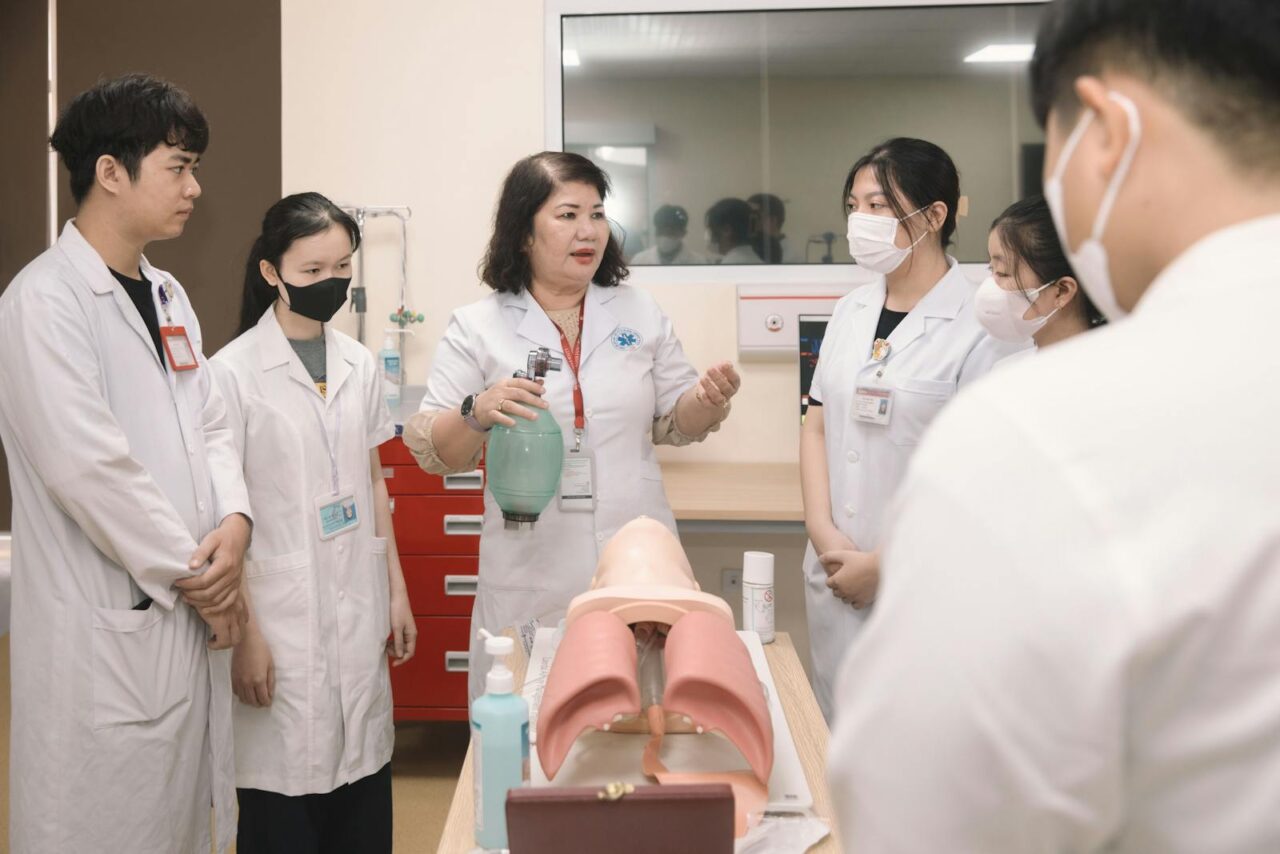
Photo by Duy Tân Đại học on Pexels
Medical conferences are essential for fostering education, networking, and collaboration within the healthcare field. These events provide platforms for professionals to share research, advance their skills, and address challenges impacting patient care. As healthcare continues to evolve, the significance of conferences becomes even clearer. By embracing these opportunities, healthcare professionals can work towards a shared vision of improved patient outcomes and innovative practices that ultimately benefit society as a whole.











Leave a Reply
You must be logged in to post a comment.