

Kitchen Remodel Ideas: Design Tips, Costs, and Mistakes to Avoid
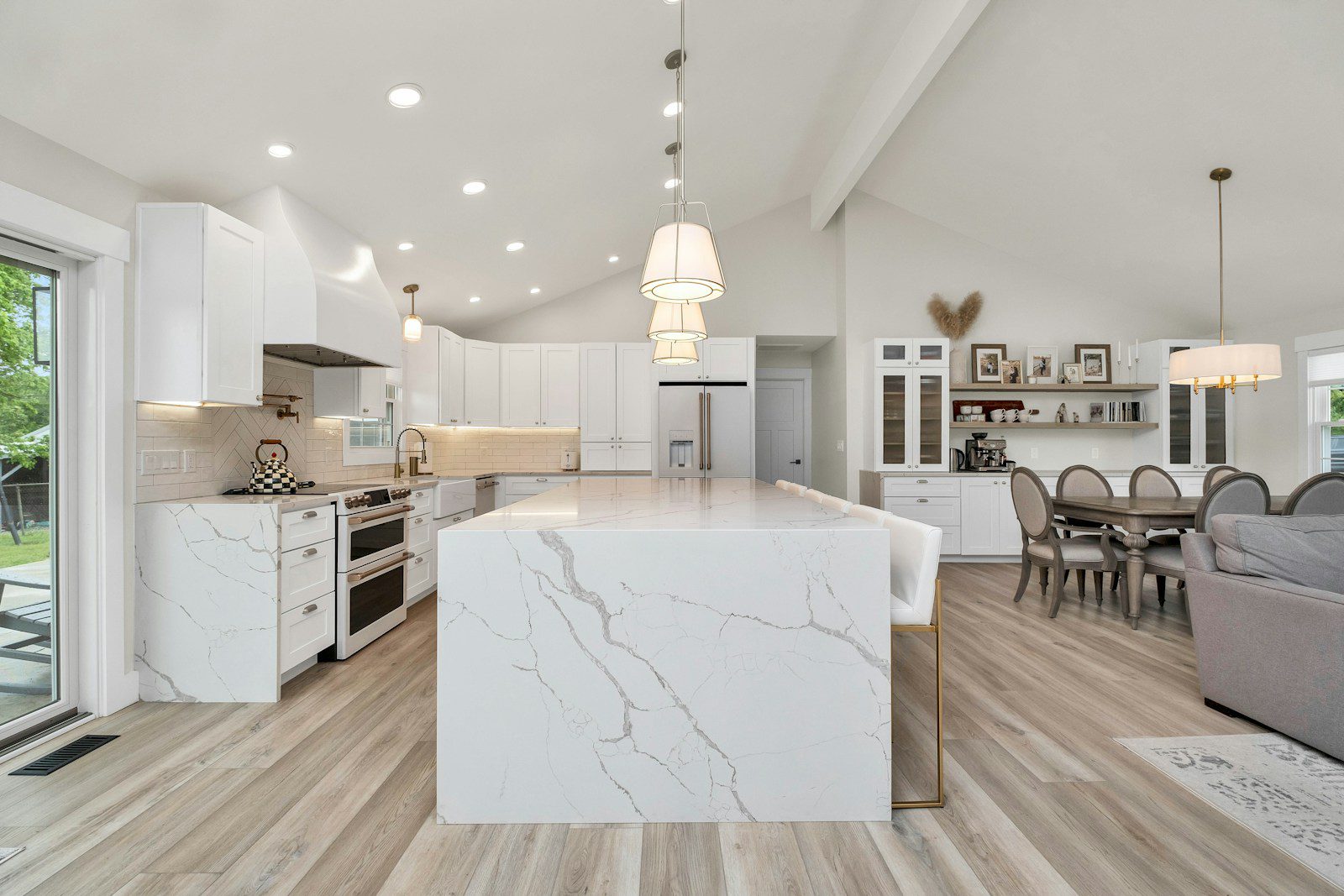
Photo by Zac Gudakov on Unsplash
Transforming your kitchen can breathe new life into your home, increase its value, and create a space where memories are made. Whether you’re planning a complete overhaul or a modest refresh, understanding the fundamentals of kitchen remodeling will help you achieve stunning results without common pitfalls. This guide explores essential design strategies, budget considerations, and critical mistakes to sidestep during your renovation journey.
Understanding Your Kitchen Layout Options
The layout forms the foundation of any successful kitchen remodel. The classic work triangle—connecting your hob, sink, and refrigerator—remains relevant for efficient workflow, though modern kitchens often incorporate zone-based designs that better suit contemporary cooking habits.
Popular layouts include the galley kitchen, perfect for narrow spaces with parallel countertops; the L-shaped design, which maximizes corner space; and the increasingly popular open-plan kitchen-diner that creates a sociable atmosphere. Island configurations work brilliantly in larger spaces, offering additional preparation area, storage, and casual dining options. Consider how you actually use your kitchen before committing to a layout—a keen baker needs different facilities than someone who primarily reheats meals.
Design Tips for a Timeless Kitchen
Balancing current trends with enduring style ensures your kitchen won’t feel dated within a few years. Start with a neutral foundation for major elements like cabinetry and worktops, then inject personality through easily changeable accessories, lighting fixtures, and paint colors.
Storage solutions deserve careful planning. Deep drawers often prove more practical than traditional cupboards for pots and pans, whilst pull-out larders maximize vertical space. Don’t overlook the potential of awkward corners—carousel units and magic corner systems transform previously wasted space into valuable storage.
Lighting creates ambience and functionality. Layer different types: ambient ceiling lights for overall illumination, task lighting under wall units for food preparation, and accent lighting to highlight architectural features. Dimmer switches allow you to adjust the mood from bright and practical during cooking to soft and inviting during dinner parties.
When selecting materials, prioritize durability for high-traffic areas. Quartz worktops resist staining and scratching better than natural stone, whilst porcelain tiles withstand heavy use in flooring. Kitchen cabinet doors should balance aesthetic appeal with hard-wearing finishes—matt surfaces hide fingerprints better than high gloss, though both have their place depending on your lifestyle.
Realistic Cost Expectations
Kitchen remodeling costs vary dramatically based on size, specifications, and location. A budget refresh with painted cabinets, new handles, and updated lighting might cost £3,000–£5,000, whilst a mid-range renovation typically runs £10,000–£20,000. Luxury remodels with bespoke cabinetry, premium appliances, and high-end finishes easily exceed £30,000.
Breaking down expenses helps with planning. Cabinetry typically consumes 30–40% of your budget, appliances another 15–20%, and worktops roughly 10–15%. Installation labor, plumbing, and electrical work account for significant portions, particularly if you’re moving utilities or walls.
Build a contingency fund of at least 10–20% for unexpected issues. Older properties often reveal surprises once work begins—outdated wiring, plumbing problems, or structural concerns that require addressing before cosmetic improvements proceed.
Common Mistakes and How to Avoid Them
Inadequate storage ranks among the most frequent regrets. Before finalizing designs, inventory everything you need to store, from small appliances to serving platters. Plan dedicated spaces for items you use daily versus occasional pieces. Counter space often gets sacrificed for aesthetics—ensure you maintain sufficient preparation area, particularly around the hob and sink.
Choosing style over function creates long-term frustration. That stunning farmhouse sink might prove too shallow for large pots, whilst a professional range may overwhelm a small kitchen’s ventilation capacity. Test appliance dimensions against your space, considering door swing and clearance requirements.
Poor planning of the work sequence causes unnecessary chaos and expense. Establish a clear timeline with your contractor, understanding which trades work when. Demolition, first fix (electrical and plumbing), plastering, second fix, then fitting follows logical progression. Changing your mind mid-project about major elements like layout or appliance locations creates costly delays and additional labor charges.
Neglecting proper ventilation leads to condensation, mold, and lingering cooking odors. Building regulations require adequate extraction—ensure your extractor fan matches your hob’s output, with sufficient ducting to the outside rather than recirculation where possible.
Maximizing Your Return on Investment
If you’re planning to sell within five years, focus renovations on improvements that buyers value most. Neutral color schemes appeal to broader audiences than bold personal choices. Quality appliances, ample storage, and practical worktops consistently add value, whilst overly bespoke features may not resonate with future buyers.
However, if this is your forever home, prioritize what enhances your daily life. That wine fridge or coffee station might not recoup costs at sale, but if they bring joy to your routine, they’re worthwhile investments. The best kitchen remodel serves both immediate needs and long-term goals, whether that’s maximizing property value or creating your dream culinary space.
Final Thoughts
A successful kitchen remodel balances vision with practicality, aesthetics with functionality, and aspiration with budget realities. Take time during the planning phase to consider how you genuinely use your space, invest in quality where it matters most, and don’t rush decisions that you’ll live with for years to come. With thoughtful design choices and awareness of common pitfalls, your renovated kitchen will serve as the heart of your home for decades ahead.











Leave a Reply
You must be logged in to post a comment.