

Key Ways to Improve Comfort in Your Home
A comfortable home is more than a luxury, it’s a necessity for both physical and emotional well-being. When each room feels balanced, warm, and inviting, it supports better rest, improved focus, and quality of life. Comfort comes from many elements working together: temperature control, lighting, air quality, organization, and personal design touches.
Improving comfort doesn’t always require major renovations. Sometimes, small changes can dramatically enhance how you experience your living space. Whether you’re aiming to make your home cozier during the winter or cooler in the summer, a few strategic updates can create lasting comfort that adapts to every season.

Photo by Ronnie George on Unsplash
Ensuring Proper Heating and Cooling Efficiency
Temperature regulation is one of the most critical factors in home comfort. Even the most beautifully designed home can feel uncomfortable if it’s drafty or unevenly heated. Keeping your HVAC system in excellent condition ensures consistent temperatures, energy efficiency, and cleaner air.
Regular maintenance is the key to long-term comfort. Dust buildup, blocked vents, or clogged filters can strain your system, reducing performance and increasing utility bills. Scheduling seasonal inspections helps prevent breakdowns when you need heating or cooling the most. In Chicago’s ever-changing climate, where winters can be harsh and summers humid, reaching out to Chicagoland heating services for a professional evaluation ensures your system stays efficient year-round. Skilled technicians can fine-tune your system, identify hidden issues, and recommend solutions that balance performance with affordability.
Modern HVAC systems can improve comfort through zoning technology, which allows you to set different temperatures in different rooms. This feature helps manage energy use efficiently while catering to the preferences of everyone in the household. Installing a smart thermostat provides precision control and helps maintain consistent comfort throughout the day, even when you’re away.
Enhancing Air Quality for Health and Comfort
Air quality directly affects how a home feels. Stale or polluted air can lead to discomfort, fatigue, and even respiratory issues. Maintaining clean, well-circulated air is vital for creating an environment that supports health and relaxation.
Start by changing HVAC filters regularly, as these trap dust, pollen, and other particles that accumulate. Investing in a high-efficiency particulate air (HEPA) filter can significantly improve indoor air purity for households with allergies or pets.
Ventilation plays a vital role in maintaining freshness. Make sure vents and air returns are not obstructed by furniture or curtains. Opening windows when the weather permits allows natural airflow, replenishing oxygen and reducing humidity levels.
Indoor plants are another natural way to purify the air. Species like peace lilies, spider plants, and snake plants absorb toxins while adding visual warmth to a room. Together with natural materials, these additions create a calm and restorative atmosphere.
Humidity control further enhances comfort. Air that’s too dry can cause static and skin irritation, while excess humidity encourages mold growth. Using humidifiers or dehumidifiers as needed helps maintain optimal moisture levels between 30% and 50%.
Lighting That Adapts to Your Lifestyle
Lighting is one of the most powerful tools for shaping the mood and function of a home. Poor lighting can make even the most comfortable spaces feel dull or uninviting, while thoughtful lighting design improves comfort and ambiance.
Natural light should be maximized wherever possible. It boosts energy, improves focus, and enhances the feel of a room. Keep windows clean and unobstructed, and use sheer curtains to filter sunlight without blocking it completely.
For artificial lighting, layering is key. Use a combination of ambient (general), task (focused), and accent (decorative) lighting to create depth and flexibility. Dimmable fixtures allow you to adjust brightness according to the time of day or activity. Warm-toned bulbs work best for living rooms and bedrooms, while cooler tones enhance clarity in workspaces or kitchens.
Smart lighting systems can adapt to your schedule. Automated settings that gradually adjust brightness mimic natural daylight patterns, promoting better sleep and mood regulation.
Creating Cozy and Functional Spaces
Comfort thrives in spaces that feel both welcoming and functional. Furniture arrangement, texture, and layout all contribute to the flow and atmosphere of a home.
Start with ergonomics, furniture should support your body’s natural posture and movement. Sofas, chairs, and mattresses that provide adequate support make a noticeable difference in daily comfort. Textiles like throw blankets, plush rugs, and cushions add tactile warmth and invite relaxation.
Decluttering can transform comfort levels. An organized space feels larger, calmer, and easier to maintain. Storage solutions such as built-in shelves, baskets, or multipurpose furniture reduce visual distractions and enhance usability.
Consider design elements that reflect your personal style. Whether you prefer minimalist aesthetics or vibrant, layered decor, comfort increases when your surroundings feel familiar and expressive. Incorporating natural materials and soft lighting strengthens this effect, helping you feel grounded and at ease.
Reducing Noise and Enhancing Privacy
Sound plays a subtle but powerful role in comfort. Unwanted noise from traffic, neighbors, or appliances can increase stress and make it difficult to relax. Soundproofing materials or design adjustments can minimize disruptions and create a more peaceful environment.
Adding heavy curtains, thick rugs, or acoustic panels absorbs sound waves and reduces echo. For open layouts, strategically placing bookshelves or room dividers can help control noise between areas.
White noise machines or ambient sound systems mask disruptive sounds with calming tones. Even small steps, like adjusting door seals or insulating walls, can make a big difference in quieting a home.
Privacy enhances comfort as well. Frosted glass, strategic furniture placement, or window treatments can provide seclusion without sacrificing light or aesthetics. In outdoor areas, fences or greenery create peaceful zones that feel private yet open.
Maintaining Comfort Through Regular Care
The most comfortable homes are those that receive consistent care. Preventive maintenance ensures systems remain reliable, air stays clean, and spaces continue to function as intended. Establishing seasonal checklists helps homeowners stay ahead of potential issues before they disrupt comfort.
Schedule regular inspections for heating and cooling systems, plumbing, and electrical components. Cleaning gutters, checking insulation, and sealing exterior gaps prevent moisture and drafts from affecting interior conditions.
Even minor upkeep tasks, like tightening door handles or re-caulking windows, add up. They preserve the home’s integrity and prevent small inconveniences from turning into costly repairs.
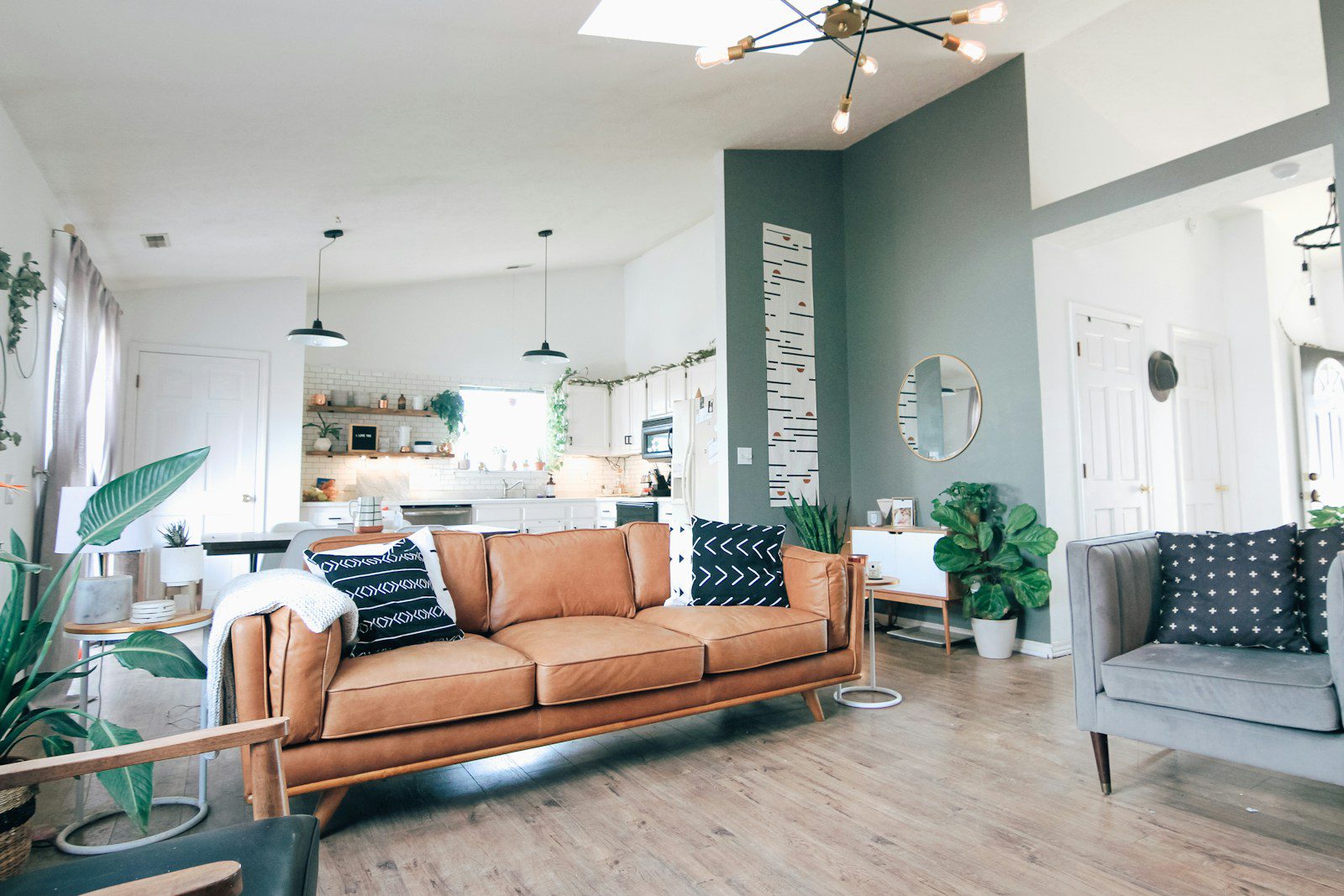
Photo by Kara Eads on Unsplash
A comfortable home is not defined by size or luxury but by balance, functionality, and care. Every improvement, whether it’s adjusting airflow, improving lighting, or upgrading insulation, creates an environment that supports well-being.
When comfort becomes a priority, daily routines feel easier, rest becomes deeper, and life feels more harmonious. Through mindful maintenance, thoughtful design, and attention to detail, homeowners can create living spaces that provide lasting warmth and peace.











Leave a Reply
You must be logged in to post a comment.