

Jazz Bands and Local Culture: A Perfect Match for Quad Cities Events

There’s something about live jazz that changes a room. The casual conversation quiets down, shoulders relax, and suddenly everyone’s moving just a little differently. It’s the kind of music that doesn’t demand attention so much as it earns it, weaving through a crowd and settling into the spaces between conversations like it belongs there.
For event planners and venue owners across the Quad Cities, jazz represents more than just background music. It’s become a cornerstone of the region’s cultural identity, connecting Davenport’s rich musical heritage with the contemporary energy of Rock Island, Moline, and Bettendorf. When done right, jazz doesn’t just entertain—it creates atmosphere, builds community, and gives events the kind of sophistication that guests remember long after the last note fades.
Why Jazz Works So Well Here
The Mississippi River Valley has always been a crossroads for music, and the Quad Cities sit right at the heart of that tradition. Davenport’s connection to jazz runs deep, from the legendary Bix Beiderbecke’s early days to the modern festival scene that draws musicians and fans from across the Midwest. That history creates a natural audience appreciation that makes jazz feel at home here, whether it’s a wedding reception at the Figge Art Museum or a corporate event at the RiverCenter.
Local jazz musicians understand this landscape. They know how to read a room full of insurance executives differently than they would a crowd at an art gallery opening. They can shift from smooth standards during dinner service to more upbeat swing numbers when it’s time for networking. This adaptability makes them particularly valuable for event organizers who need music that enhances rather than competes with their programming.
When event planners decide to hire a jazz band to perform, they’re tapping into something much deeper than entertainment—they’re connecting with a musical tradition that resonates naturally with Midwest audiences. The economic benefits matter too, with organizations like the Regional Development Authority recognizing this value by awarding $15,000 specifically to the Quad Cities Jazz Festival and over $882,000 across 44 distinct grants supporting regional arts and culture in 2023. Hiring local jazz ensembles keeps money within this supported music scene, backing musicians who often teach, perform, and mentor the next generation of players.
The Right Ensemble for the Right Occasion
Not all jazz groups are created equal, and matching the right musicians to the right event can make or break the experience. A solo pianist works beautifully for intimate gatherings or cocktail hours where conversation should flow easily. The gentle touch on standards like “Autumn Leaves” or “The Way You Look Tonight” provides just enough musical texture without overwhelming the room.
Trio combinations—typically piano, bass, and drums, sometimes with guitar instead of piano—offer more dynamic range while staying manageable for most venues. These groups can handle everything from soft dinner music to more energetic dance numbers, making them ideal for wedding receptions, corporate galas, or fundraising events where the energy needs to shift throughout the evening.
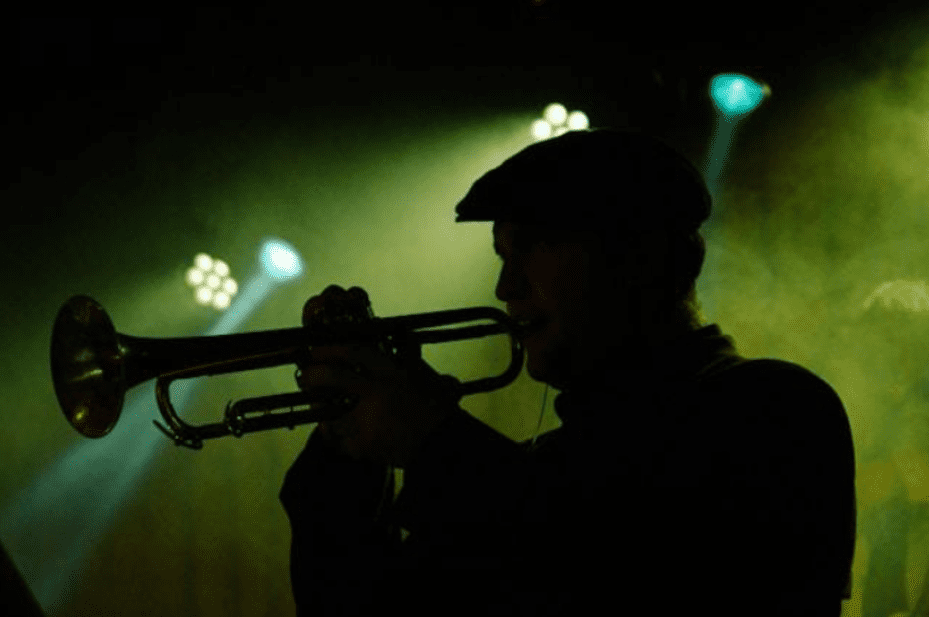
Larger ensembles, quartets and quintets with horn sections, bring the full jazz experience. These groups can recreate the classic big band sound that defined the genre’s golden age, complete with improvised solos and intricate arrangements. They’re perfect for larger venues and events where music is meant to be a featured attraction rather than an accompaniment.
The key is honest communication about expectations. Event planners should discuss volume levels, repertoire preferences, and the general flow of the evening. Most professional jazz musicians are happy to customize their approach, but they need to understand the context. A charity auction requires different treatment than a company holiday party.
Practical Considerations That Make a Difference
Venue acoustics play a crucial role in how jazz translates to your guests. Hard surfaces like concrete floors and glass walls can create echo and make it difficult for musicians to control their sound. Carpeted areas, drapes, and even strategically placed cocktail tables help absorb excess sound and create a more intimate listening environment. For outdoor events, venues with sustainable yards and thoughtful landscaping often provide natural sound buffering that enhances the acoustic experience.
Space requirements vary depending on the ensemble size, but even a trio needs adequate room for instruments, amplification, and movement. Piano placement is particularly important—if the venue has a house piano, have it tuned before the event. Nothing undermines a professional performance quite like an out-of-tune instrument.
Most professional jazz groups handle their own sound equipment for smaller venues, but larger spaces may require additional amplification. Discuss technical requirements early in the planning process. Outdoor events present unique challenges, from weather contingencies to power access, that need advance consideration.
Timing matters more than many people realize. Jazz musicians typically arrive early for setup and sound check. Build this into your event timeline, especially if you’re coordinating with caterers or other vendors who need access to the same space.
Building Long-Term Relationships
The best event experiences often come from working with the same musicians multiple times. Jazz artists who understand your style, your venues, and your typical guest demographics can anticipate needs and adapt their performance accordingly. They become part of your event team rather than just hired entertainment.
This kind of local programming matters more than many realize—when cultural events aren’t available locally, 41.8% of residents travel outside their community for similar experiences, taking entertainment dollars with them. Jazz musicians are often available for regular bookings throughout the year, making it easier to keep that cultural energy at home.
Regular bookings also allow for more creative programming. Musicians who know they’ll be working with you again are more likely to invest in learning specific songs, developing themed sets, or even collaborating on original arrangements that reflect your organization’s personality.
Making It Happen
The Quad Cities jazz scene offers remarkable depth for a regional market. Start by attending local performances to hear different groups and styles firsthand. Venues throughout the summer provide excellent opportunities to scout potential performers.
Professional jazz musicians typically book events several months in advance, especially during peak wedding and holiday seasons. Early planning ensures better availability and often better pricing. Most groups provide audio samples and can arrange brief meetings to discuss specific needs and expectations.
When jazz becomes part of your event strategy rather than an afterthought, the results speak for themselves. Guests linger longer, conversations flow more naturally, and the overall experience feels more polished and intentional. This elevated atmosphere particularly benefits networking events where small businesses in the Quad Cities can make meaningful connections in a more relaxed, sophisticated setting. It’s the difference between providing entertainment and creating an atmosphere where community connections can flourish.
Because when the music fits the moment perfectly, everyone feels it. And that’s something your guests will carry with them long after they leave.








Leave a Reply
You must be logged in to post a comment.