
How to Start Coin Collecting in the Quad Cities
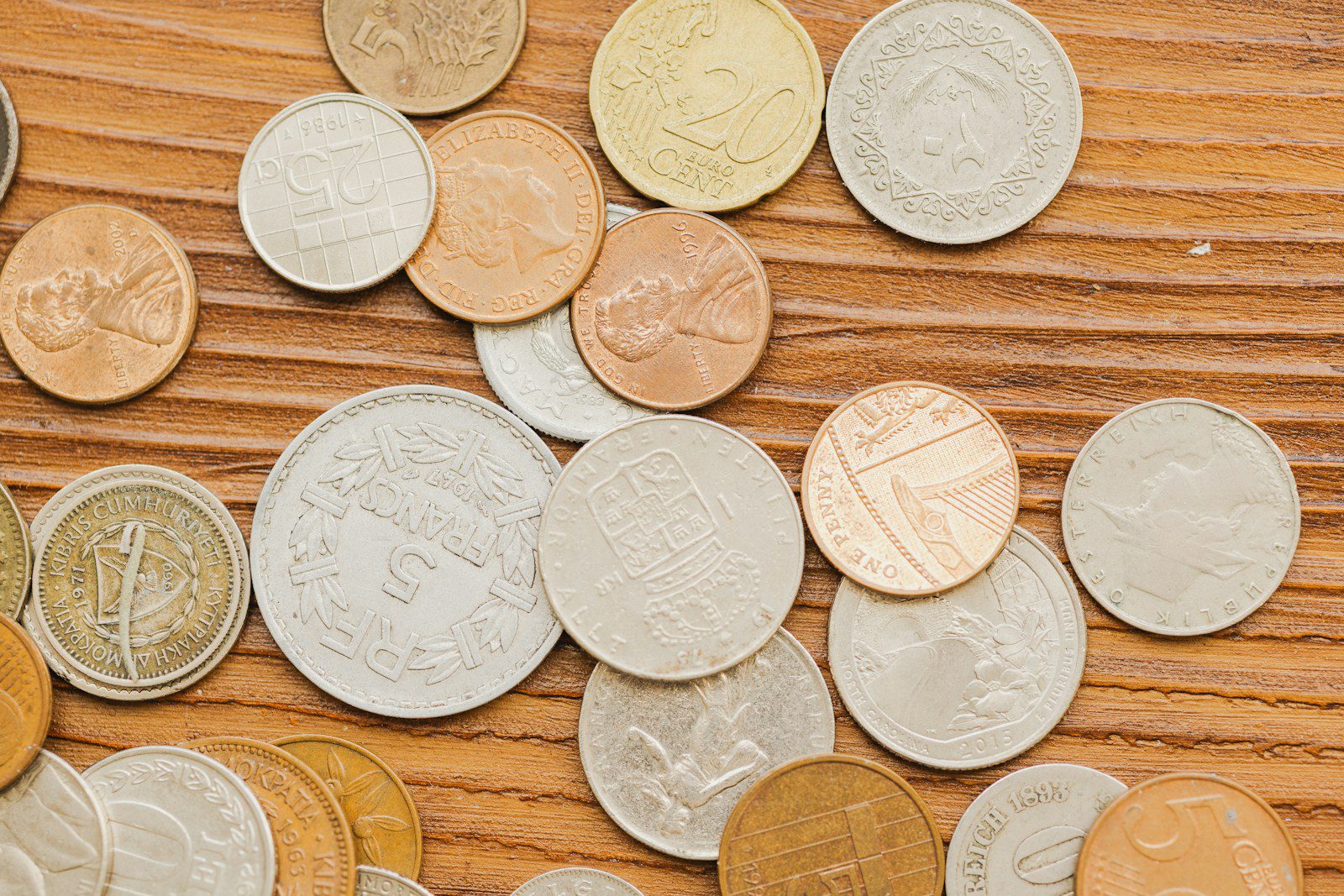
Photo by Tolga deniz Aran on Unsplash
The Mississippi River has long been a conduit for trade, but today, the most valuable treasures in the Quad Cities are often found tucked away in velvet-lined display cases. While many locals start with a curiosity sparked by a stray silver quarter, the transition from casual observer to serious numismatist requires a strategic shift in perspective. Navigating the local ecosystem of hobby shops and regional shows is as much about learning a new language as it is about accumulating metal.
Coin collecting appeals to a wide range of people because it combines history, craftsmanship, and financial literacy. Each coin represents a snapshot of its era, often reflecting economic trends, national events, and cultural design. Collectors enjoy both the educational aspect and the potential long-term value of certain coins.
Beginners often feel overwhelmed by the number of coin types and collecting approaches available. A simple plan can help new collectors focus their efforts and build confidence as they explore the hobby. The following steps outline practical ways to begin collecting coins in the Quad Cities while avoiding common beginner mistakes.
Learning About Valuable Coin Types
Understanding different coin categories helps beginners decide where to focus their collection. Some collectors prefer historic circulation coins, while others concentrate on bullion coins made primarily from precious metals like gold or silver.
Educational guides explaining widely traded bullion options can help beginners learn which coins are commonly bought and sold. Many collectors review resources discussing the best gold coins to buy when researching precious metal coins that hold consistent demand among buyers.
Common coin categories new collectors explore include:
- Historic circulation coins
- Silver bullion coins
- Gold bullion coins
- Commemorative coins
- Proof collector coins
Learning the basic differences between these types helps collectors choose coins that match their goals.
Set a Budget Before Buying Coins
Coin collecting can grow quickly once the excitement begins. Setting a budget early helps collectors build a thoughtful collection rather than making impulsive purchases.
Budgets also help collectors prioritize which coins to pursue first. Starting small allows beginners to learn the market before investing in higher-value pieces.
A beginner coin budget may include categories such as:
- Monthly coin purchases
- Storage supplies
- Reference books
- Local coin show visits
- Grading or authentication fees
Budget planning keeps the hobby enjoyable while preventing overspending.
Learn the Basics of Coin Grading
Coin grading refers to evaluating a coin’s condition and overall quality. Small differences in condition can dramatically affect value, especially for older coins.
Grading scales typically measure how much wear a coin shows and how clearly its design features remain visible. Beginners benefit from studying basic grading terms before making significant purchases.
Common grading factors collectors examine include:
- Surface wear
- Edge condition
- Luster quality
- Strike clarity
- Surface marks
Developing a basic eye for condition helps collectors make more confident buying decisions.
Store Coins Properly to Protect Their Value
Proper storage protects coins from damage, moisture, and contamination. Handling coins incorrectly can leave fingerprints or scratches that reduce their value.
Protective storage materials help preserve both condition and appearance. Many collectors use specialized holders designed to prevent exposure to air and oils.
Popular coin storage options include:
- Coin capsules
- Mylar flips
- Coin albums
- Storage boxes
- Protective sleeves
Organized storage also makes it easier to catalog and display a growing collection.
Use Local Quad Cities Resources
The Quad Cities area offers several opportunities for collectors to connect with others who share the same interest. Local coin clubs, hobby shops, and community events provide valuable learning experiences for beginners.
Meeting experienced collectors often accelerates the learning process. Many seasoned hobbyists enjoy sharing knowledge about grading, historical context, and market trends.
Local resources worth exploring include:
- Coin collector clubs
- Regional coin shows
- Hobby and antique shops
- Library research archives
- Collector networking events
These resources provide hands-on exposure that online research cannot fully replicate.
Avoid Common Beginner Mistakes
New collectors sometimes make mistakes simply because the hobby includes many unfamiliar terms and products. Awareness of common pitfalls can help beginners build a more valuable collection.
Impulse buying and lack of research are two frequent issues. Counterfeit coins can also appear in online marketplaces, making it important to verify sellers and authentication details.
Common beginner mistakes include:
- Buying coins without research
- Ignoring coin condition
- Overpaying for common coins
- Improper coin handling
- Purchasing from unreliable sellers
Careful research and patience often produce better long-term results.
Recognizing and Avoiding Counterfeit Coins
Counterfeit coins exist in many areas of the collectibles market. Precious metal coins and rare historic pieces are especially attractive targets for counterfeiters.
Learning basic authentication techniques helps collectors reduce risk. Professional grading services can also verify coins and assign official condition ratings.
Helpful strategies for avoiding counterfeits include:
- Buying from reputable dealers
- Checking coin weight
- Examining design details
- Reviewing certification labels
- Comparing reference images
Verification steps help protect collectors from costly mistakes.
Starting Your Coin Collecting Journey
Coin collecting offers Quad Cities residents a rewarding way to explore history while building a tangible collection of valuable items. A thoughtful approach that includes budgeting, research, and proper storage helps beginners build confidence in the hobby.
Local clubs, coin shows, and trusted educational resources all play a role in helping collectors develop their knowledge. Over time, collectors often discover specific interests that shape their collections and deepen their appreciation for the hobby.
Many beginners also explore precious metal coins as part of their collections. Educational resources from PIMBEX help collectors understand the best gold coins to buy while offering insights into market demand and coin selection strategies.








Leave a Reply
You must be logged in to post a comment.