

How to Choose the Right Seeds for Your Garden
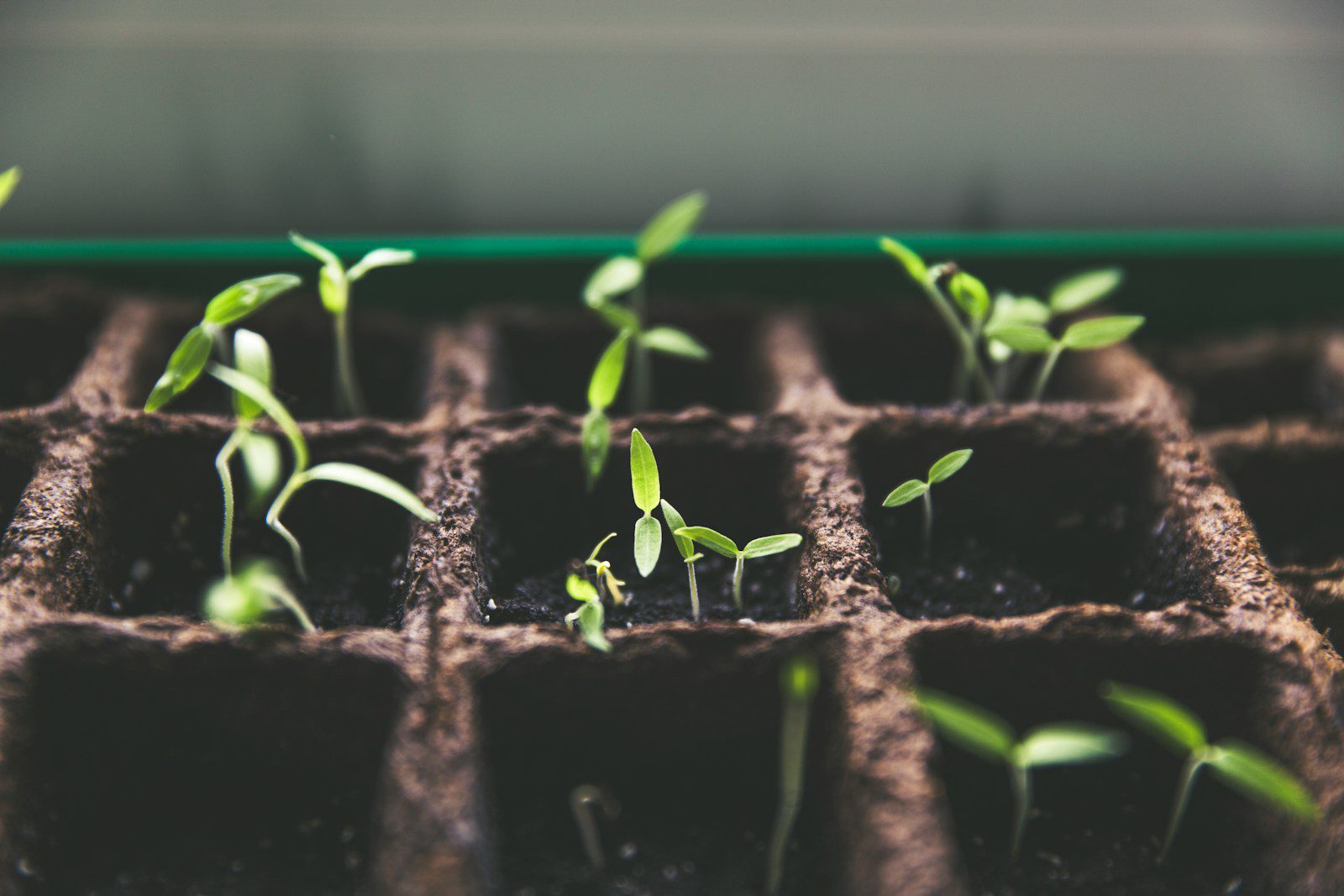
Photo by Markus Spiske on Unsplash
Starting a garden can be one of the most rewarding hobbies, but choosing the right seeds often makes the difference between success and frustration. With so many options available, it’s easy to feel overwhelmed when deciding what to plant. The good news is that a little research and planning can help you select seeds that will thrive in your space and bring your garden to life.
Understanding Your Growing Conditions
Before you pick out seeds, take a close look at your garden environment. The amount of sunlight, type of soil, and climate in your region will all influence what grows best. For example, tomatoes need plenty of sun, while leafy greens often do well in partial shade. Soil type also plays a role, as sandy soil drains quickly, while clay holds water longer. Knowing your conditions ensures you don’t waste time or effort on plants that aren’t suited to your yard.
Starting with Quality Seeds
One of the most important factors in gardening success is the quality of your seeds. High-quality seeds are more likely to germinate and produce healthy, productive plants. Gardeners often turn to trusted suppliers like Firefly Farm native seeds, which provide a wide range of carefully selected options that grow well in different conditions. Choosing seeds from reputable sources gives you a strong foundation and increases the likelihood of a flourishing garden.
Deciding Between Annuals and Perennials
When choosing seeds, think about whether you want plants that return every year or those you’ll replant each season. Annuals, such as zinnias or lettuce, grow quickly and often provide long-lasting color or harvests, but they complete their life cycle in one season. Perennials, such as echinacea or asparagus, may take longer to establish but return year after year, making them a great long-term investment for your garden.
Considering Your Gardening Goals
Ask yourself what you want most from your garden. If your goal is fresh produce, focus on vegetables, herbs, and fruit seeds that match your climate. If you prefer a colorful landscape, look for flowers that bloom throughout the season. For gardeners who want to support pollinators, native wildflowers or plants with nectar-rich blooms can help attract bees and butterflies. Matching your seeds to your goals ensures that your garden brings you the results you’re hoping for.
Planning for Your Growing Season
Every region has a growing season determined by frost dates. Knowing when your last spring frost and first fall frost occur helps you choose seeds with the right maturity timelines. Warm-season crops like peppers need a long frost-free period, while cool-season crops such as spinach or peas can handle chilly weather. Check the seed packet for days to maturity and plan accordingly to make the most of your season.
Paying Attention to Space
Another key factor in choosing seeds is how much space you have. Some plants, like pumpkins or squash, spread widely and require plenty of room. Others, such as herbs or lettuce, can thrive in smaller areas, containers, or raised beds. If you’re working with limited space, look for compact or dwarf varieties that are designed to grow well in tighter spots without sacrificing yield.
Reading Seed Packets Carefully
Seed packets are full of valuable information that can guide your choices. They usually include details about planting depth, spacing, sunlight requirements, and germination times. Following these directions ensures your seeds have the best chance of growing strong and healthy. Reviewing this information before you buy helps you avoid plants that aren’t a good fit for your garden setup.
Conclusion
Choosing the right seeds for your garden involves more than simply picking out plants you like. By understanding your environment, selecting high-quality seeds, considering your goals, and planning for space and timing, you’ll set yourself up for gardening success. With careful choices, your garden can thrive season after season, rewarding you with fresh produce, colorful flowers, or a beautiful mix of both.











Leave a Reply
You must be logged in to post a comment.