

How the Quad Cities Gave Mississippi Grind Its Mood: River Towns, Casinos, and More
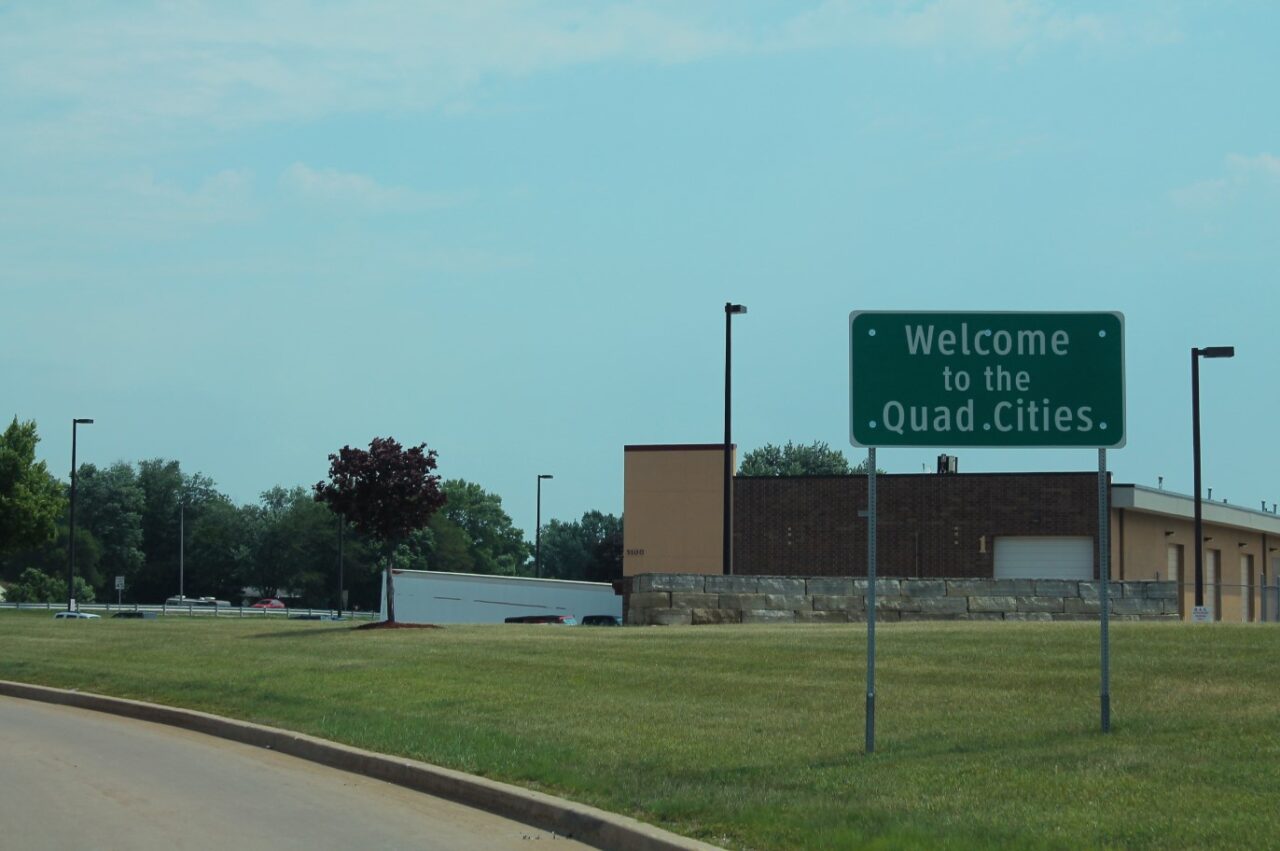
Photo by formulanone, via Wikimedia Commons, licensed under CC BY-SA 2.0
Mississippi Grind captures its “just passing through” atmosphere from river towns where everyday life blends naturally with constant travel and movement. Director Ryan Fleck’s experiences in the Quad Cities, including time spent playing blackjack on riverboats, helped shape the film’s road-trip narrative and authentic tone. The simple rhythm of blackjack — watching, waiting, and deciding — mirrors the slow and steady pacing of the story, making the gambling scenes feel realistic and grounded. At the same time, the Quad Cities’ ongoing flow of visitors, hotels, and river activity creates the quiet sense of motion that perfectly supports a road-movie experience.
Mississippi Grind doesn’t feel like a story that just visits a place and disappears. It feels like it was built from small stops that sit right between everyday life and travel life.
That mix matters because the movie’s mood is not built on big speeches or big twists. It is built on movement. Two people share a car, share a plan, then adjust the plan again. The setting has to support that kind of drifting story without calling too much attention to itself. River towns are good at that. They have real work, real routines, and a steady stream of visitors who are here for a short time. On screen, that creates a natural feeling of “just passing through,” even when the scene is tense or personal.
The table rhythm that shaped the film’s drift
In an interview, director Ryan Fleck described spending time in Iowa’s Quad Cities during an earlier project, stumbling onto riverboat casinos, and having “a good time playing blackjack.” He also said that memory stuck, and later helped spark the idea of two guys meeting near the Mississippi and heading out on a gambling road trip.
That matters because a film like Mississippi Grind needs more than a location. It needs a pace. A riverboat floor gives you a very particular kind of tempo: people coming and going, brief conversations, long stretches of focus, then a sudden decision. A blackjack game is built on that same pattern. You watch, you wait, you choose. The movie borrows that feeling.
I know today’s digitized generation of gamers pushes the popularity of online games forward, and online blackjack variations are no exception due to their captivating nature. And although it’s perhaps not a subject of debate to say that digital casino sites provide a competitive level of excitement compared to regular casinos, the latter have the edge when it comes to atmosphere, especially if they aim to inspire a filmmaker.
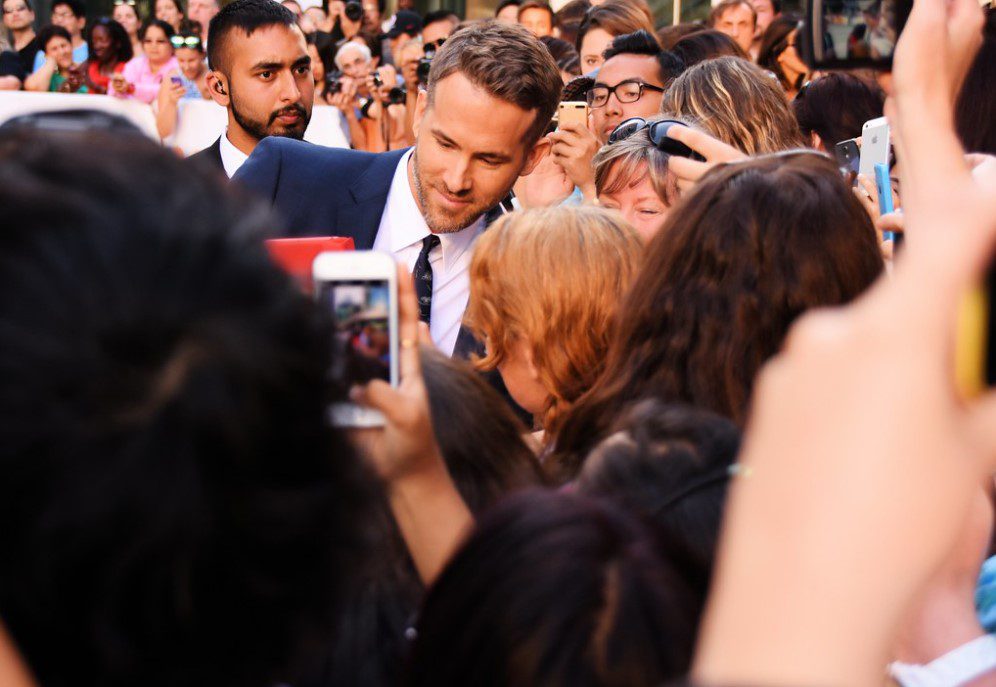
Ryan Reynolds plays Curtis, a charming traveler who joins Gerry at the blackjack table in Mississippi Grind. Their short blackjack scene helps set the mood for the movie’s road trip and gambling adventure. – Photo by eskimo_jo on Flickr — CC BY-NC-ND 2.0
With this being said, both the online and offline blackjack games have the nature of keeping a simple rhythm: you see clear information, the cards or bets come at a steady speed, and there’s a short pause where you decide what to do next. This rhythm is what made the blackjack-inspired scenes in the movie authentic.
So when people in the Quad Cities hear that Fleck and his team were inspired by time on local riverboats, it’s not just a fun fact. It’s a clue about what gives the movie its “heart.”
A place built for arrivals and short stays
The Quad Cities is a region where “visitors” are not an abstract idea. You see them in hotel lots, near event venues, on riverfront paths, and in restaurants that get a second rush after the sun goes down. That flow adds a travel energy to ordinary streets, which is exactly what a road movie needs. It gives you movement in the background, even when the camera is focused on two people talking.
Tourism is big enough in the Quad Cities to really shape everyday life. According to Visit Quad Cities’ FY24 report, visitors spent about $1.3 billion in one year. Hotels were about half full on average (52.2%), the airport saw 602,756 passengers, and the area has over 6,500 hotel rooms.
According to Visit Quad Cities’ FY24 tourism report, the region continues to attract a strong flow of visitors, generating approximately $1.3 billion in annual visitor spending. Hotel occupancy averages around 52%, supported by more than 6,500 available rooms across the area. These steady tourism numbers help explain why the Quad Cities provide such an authentic backdrop for stories centered on travel, transition, and river-town life, much like the atmosphere portrayed in Mississippi Grind.
This kind of movement is part of why the Quad Cities can “read” like a film setting without trying. Mississippi Grind is not only about gambling. It is about what happens when people keep moving, keep searching, and keep hoping the next stop will feel different.
The working river that quietly sets the tone
One reason river towns feel distinct on screen is that the river itself creates a patient kind of motion. You can see it in the way traffic collects near bridges, and in the way the waterfront has its own pace compared with neighborhoods farther inland. The Mississippi is scenery, but it is also a working system that runs on timing, spacing, and long distances.
The U.S. Army Corps of Engineers’ Rock Island District describes the scale of that system in numbers:
- 314 miles of a nine-foot navigation channel on the Mississippi River, including operation of 12 lock and dam sites
- 268 miles on the Illinois Waterway, with operation of six lock and dam sites
Those figures help explain why the region often feels like a hub. It sits inside a large, practical network built around moving things and moving people.
That sense of “specific energy” is something the filmmakers have pointed to directly. In a Filmmaker Magazine interview, Boden and Fleck said, “We were enthralled by the people who inhabited this world and its specific energy.” It is a simple line, but it matches what locals recognize.







Leave a Reply
You must be logged in to post a comment.