

How Forklift Trailer Movers Are Changing Yard Operations in Quad Cities Warehouses
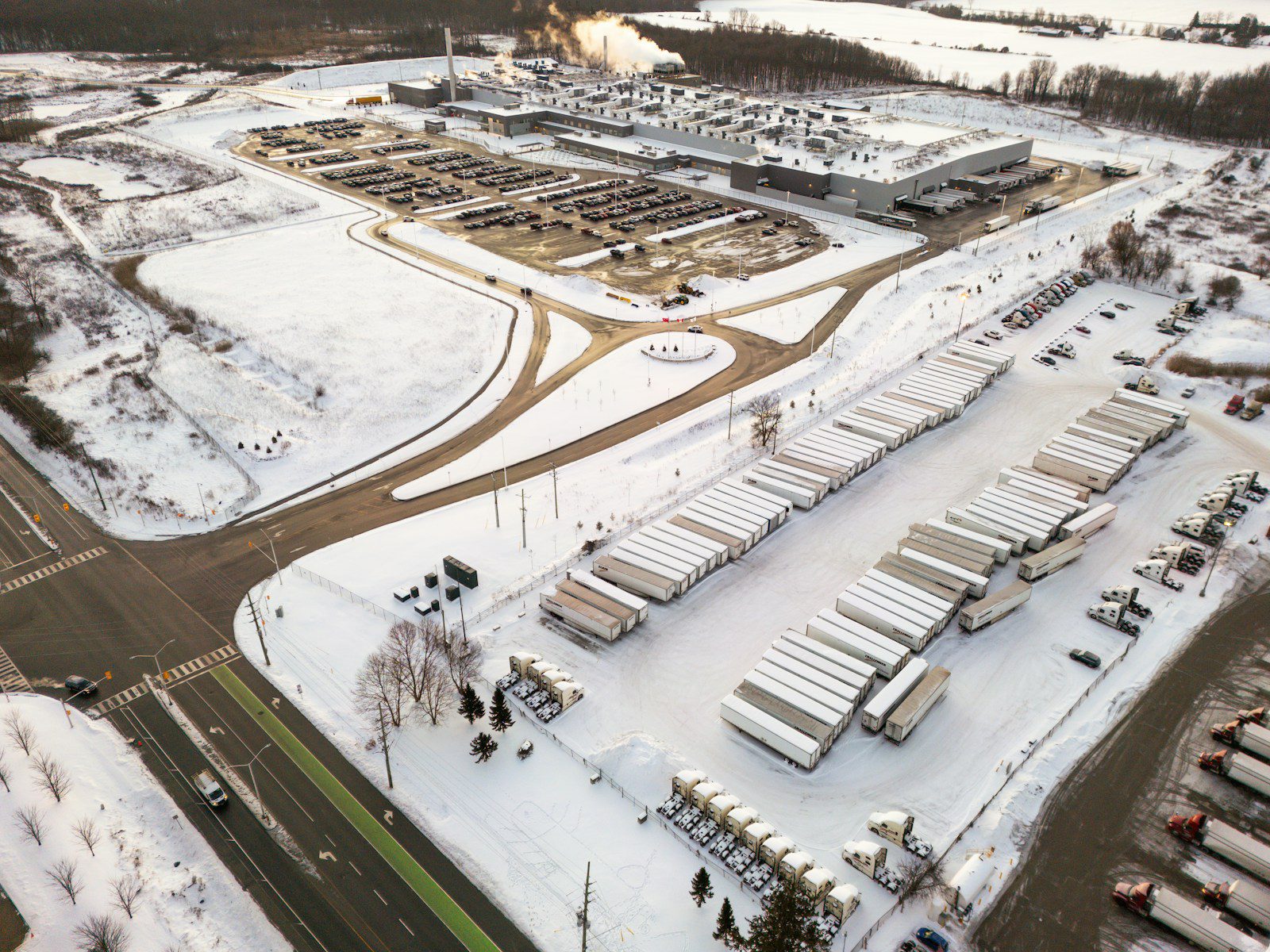
Photo by LEDC on Unsplash
Warehouses play a quiet but essential role in the Quad Cities economy, supporting manufacturing, retail, agriculture, and regional distribution networks. A lot of the real pressure shows up outside the building, where trailers are staged, shifted, and lined up for the docks.
Yard operations affect how quickly freight moves through a facility, how safely people can work, and how smoothly the site functions when room is tight. In the Quad Cities, where many warehouses sit on long-established industrial sites instead of brand-new logistics campuses, trailer flow is often a day-to-day operational concern, not something that can be solved with extra acreage.
As delivery schedules shift while the footprint remains the same, more operators are paying attention to how trailers are handled throughout the day and which practical adjustments can reduce delays without complicating the workflow.
Why Yard Operations Matter in Warehouse Efficiency
For many warehouses, yard operations set the pace for everything inside. When trailers are parked in the wrong spots or moved too slowly, dock doors sit idle, schedules slip, and workers get pulled away from higher-value tasks. Once that kind of delay starts, it tends to pile up fast.
In the Quad Cities, yard efficiency can matter even more because plenty of facilities operate on sites developed years ago. Narrow drive lanes, limited staging areas, and shared access points are common, especially in industrial corridors that grew alongside manufacturing plants rather than modern logistics hubs. In that kind of footprint, even minor disruptions in trailer movement can slow inbound and outbound activity.
Safety is tied to this as well. Crowded yards raise the odds of close calls between trailers, forklifts, and people on foot, particularly during peak delivery windows. Clear movement patterns and predictable trailer placement reduce confusion and help employees stay focused on their tasks instead of reacting to last-minute changes.
With warehouses handling a mix of scheduled shipments, live loads, and unexpected arrivals, the yard can feel like a balancing act all day long. When trailer movement is managed well, the whole facility tends to run more smoothly.
How Forklift Trailer Movers Are Used in Busy Warehouse Yards
Warehouse yards in the Quad Cities face many of the same pressures seen across other established industrial regions. Facilities often balance steady freight volume with constrained yard space, working within layouts designed long before today’s delivery cadence and trailer counts became normal. Staging and repositioning trailers becomes an everyday operational problem, not a background detail.
That dynamic shows up across much of the Midwest. Warehouses in parts of Indiana and eastern Iowa often operate under similar conditions, where distribution centers are closely tied to manufacturing sites and transportation routes built decades ago. Southern Wisconsin can bring the same constraints, particularly in areas where industrial facilities grew around existing rail and road infrastructure rather than expansive logistics parks. Across these regions, federal safety standards for forklift operation and trailer handling apply uniformly, so the practical differences usually come down to space, traffic flow, and staffing patterns.
Costs shape decisions, too. At larger, high-volume facilities, dedicated yard trucks and specialized yard roles are often used to keep trailers moving efficiently. In many Midwest markets, including the Quad Cities, warehouses may favor flexible approaches that use existing equipment, especially when yard space is tight, and trailers need to be repositioned throughout the day. In operations where forklift trailer movers support the workflow, teams often rely on established equipment suppliers like Sidekick Attachments to keep yard moves steady without adding unnecessary complexity.
The broader point is simple. Warehouses rarely follow one universal model. They adjust yard strategies to match the realities of their site, volume, and how work is actually done.
Safety Considerations in Active Warehouse Yards
Safety remains a constant concern in warehouse yards where trailers, forklifts, and personnel work in close proximity. As trailer movement increases throughout the day, the risk of miscommunication, blind spots, and uneven traffic patterns increases as well, particularly in yards where staging areas and drive lanes are already crowded.
Many established warehouses were not originally designed for today’s delivery volumes or the mix of equipment used in modern distribution. That can create pinch points where trailers need to be repositioned frequently, sometimes in narrow lanes or near pedestrian walkways. Clear procedures and controlled movement reduce uncertainty in these areas and support safer working conditions.
Visibility and predictability make a real difference. When trailer movements follow consistent patterns, yard staff and dock teams can anticipate activity rather than reacting to sudden changes. That reduces rushed decisions and keeps attention where it belongs.
As warehouses across the Quad Cities balance efficiency with safety, yard operations increasingly depend on steady, well-managed routines. Thoughtful approaches to trailer movement help create safer environments and more reliable operations, even during peak periods.
Industry Standards and Oversight in Yard Operations
Warehouse yard operations are shaped by a mix of internal procedures and external oversight. While layouts and daily workflows vary from site to site, expectations around forklift use and trailer movement are generally consistent nationwide. Federal guidance establishes baseline requirements for operator training, equipment condition, and hazard awareness, creating a shared framework applicable to warehouses in the Quad Cities and beyond.
Within that framework, day-to-day practices still differ. Some operations emphasize formal documentation and frequent inspections, while others place greater emphasis on hands-on supervision and practical training. Those differences are usually driven less by regulation itself and more by yard layout, traffic volume, and trailer repositioning frequency.
Guidance on powered industrial trucks from the Occupational Safety and Health Administration is often used when warehouses review procedures related to forklift operation, visibility, and working around trailers in active yard environments. That kind of guidance helps facilities check whether their routines support controlled movement and clear communication among yard personnel.
When yards align their routines with widely recognized safety expectations, day-to-day work tends to run more smoothly. Clear, repeatable practices reduce uncertainty during busy periods and support safer, more reliable trailer movement in daily warehouse operations.
What Efficient Yard Operations Mean for the Quad Cities
Warehousing remains a meaningful part of the Quad Cities economy, supporting companies that rely on the dependable movement of goods. As facilities respond to changing freight demands, yard efficiency becomes one practical way to strengthen overall reliability while working within sites that are not easily expanded.
Most improvements in yard management are incremental. Changes in how trailers are staged, moved, and prioritized can reduce friction between yard and dock activity and improve turnaround time over the course of a shift. Small gains add up, especially when space is limited and schedules are tight.
This focus on reliability also connects to broader conversations about supply chain strength and investment in the region. Coverage of regional supply chain and innovation investments highlights how logistics and operational stability continue to factor into long-term competitiveness across the Quad Cities area.
By tightening the day-to-day routines that keep yard activity organized, warehouses contribute to a more resilient logistics network. Much of this work happens out of public view, but it supports the steady movement of goods that keeps many parts of the regional economy running.
Conclusion
Yard operations may not get the attention that warehouse interiors do, but they have a steady influence on daily performance. In the Quad Cities, where many facilities operate within long-established industrial sites, how trailers are staged and moved outside the building can affect efficiency, safety, and scheduling throughout the operation.
Warehouses keep adjusting yard practices to match their space constraints, delivery volume, and staffing realities. Often, it is the practical, repeatable routines that make the difference.
As regional businesses respond to ongoing supply chain pressures and economic shifts, yard operations remain a straightforward lever for keeping workflows reliable. These behind-the-scenes efforts help goods move steadily and support the broader resilience of the Quad Cities industrial landscape.










Leave a Reply
You must be logged in to post a comment.