

How First-Time Riders Can Stay Safe While Using Ride-Sharing Services
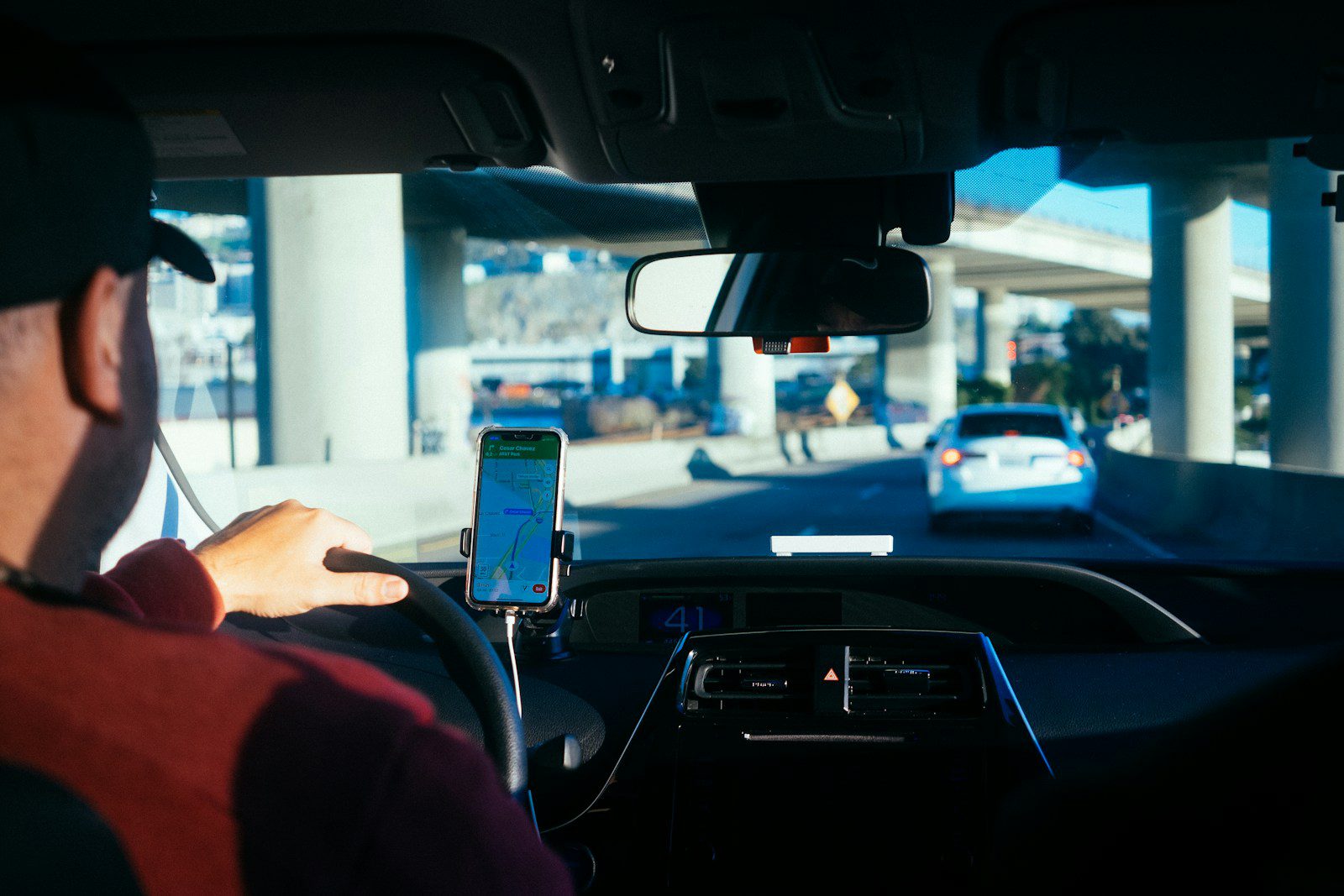
Photo by Paul Hanaoka on Unsplash
Ride-sharing services have transformed urban transportation, offering convenience, affordability, and accessibility. For many people, these platforms provide a reliable alternative to taxis and public transport in cities where owning a car is expensive or impractical. While ride-sharing is generally safe, first-time riders can benefit from understanding how to protect themselves during each stage of the journey.
Staying alert, making informed decisions, and using available safety features can help riders feel more confident and secure when using these services for the first time.
Researching the Company and Understanding Your Options
Before booking a ride, it’s important to familiarize yourself with the platform you intend to use. Different ride-sharing companies may offer varying safety measures, pricing models, and service levels. Researching their reputation, reading customer reviews, and reviewing their safety policies can help you make an informed choice. Suppose you want to know what legal protections or reporting options are available in your area. In that case, most lawyers have information listed on their site, details such as how to respond to incidents or what your rights are if something goes wrong. Taking the time to understand these details in advance ensures that you know how to act quickly and confidently in the event of an emergency.
Checking whether the platform offers features such as driver background checks, in-app emergency buttons, or trip-sharing options can give you insight into their commitment to passenger safety.
Verifying Driver and Vehicle Information
Once you request a ride, verify that the driver and vehicle match the details provided in the app. This includes checking the license plate number, car model, driver photo, and name. Legitimate drivers will not object to you double-checking these details before entering the vehicle.
If anything seems off, cancel the ride and report the issue to the platform. Many ride-sharing apps have built-in safety reporting systems that make it easy to flag suspicious activity. Trusting your instincts is crucial; if the situation feels uncomfortable, you have the right to refuse the ride.
To further increase safety, wait for your ride in a well-lit, populated area. This makes it easier for drivers to find you and reduces the risk of encountering unauthorized individuals posing as drivers.
Sharing Your Trip and Staying Connected
Most ride-sharing apps allow you to share your trip details with friends or family in real time. By sending them a tracking link, you can follow your route and know when you arrive at your destination. This feature provides an additional layer of security for first-time riders traveling alone or at night.
Keeping your phone charged before and during your trip ensures that you can access the app, communicate with trusted contacts, or call for help if needed. It’s a good idea to familiarize yourself with the platform’s in-app emergency functions, which may connect you directly to local law enforcement or emergency services.
Practicing Situational Awareness
Riders should remain aware of their surroundings at all times. Once inside the vehicle, check that the driver follows the route displayed in the app. Small deviations to avoid traffic are normal, but significant or unexplained detours should raise red flags. If this happens, speak up immediately and, if necessary, use the app’s safety features to alert someone.
Avoid becoming so engrossed in your phone or other distractions that you lose track of your location. Knowing where you are during the ride allows you to act quickly if something feels wrong. Trusting your instincts plays a major role in maintaining personal safety.
Using Seat Belts and Sitting Strategically
Seat belts remain one of the simplest and most effective safety tools available. First-time riders should always buckle up as soon as they enter the vehicle, regardless of the distance they plan to travel. Sitting in the back seat is generally safer for passengers when riding alone. It provides more personal space and makes it easier to exit the vehicle if necessary.
Sitting on the passenger side of the back seat allows you to maintain visual contact with the driver and the road while keeping your belongings within easy reach. This seating position strikes a balance between visibility and security, which can be reassuring during your first few rides.
Addressing Emergencies and Reporting Issues
While ride-sharing services prioritize safety, unexpected situations can still occur. If you ever feel unsafe during a ride, you can end the trip early by asking the driver to stop in a safe location or by using the app to change your destination. In serious situations, contact local authorities immediately.
After the trip, reporting any problems through the app ensures that the company is aware of the issue and can take action, whether that involves investigating a driver, reviewing a safety incident, or updating protocols. Many platforms have dedicated safety teams to handle such reports confidentially and promptly.

Photo by Mikechie Esparagoza on Pexels
Ride-sharing services have made transportation more flexible and accessible than ever before. For first-time riders, taking simple precautions such as researching providers, verifying driver information, staying aware during rides, and knowing how to respond to emergencies can make all the difference. With the right approach, ride-sharing can be both safe and convenient, empowering you to travel confidently in any urban environment.











Leave a Reply
You must be logged in to post a comment.