

Home Staging on a Budget: Preparing Your House to Sell Fast
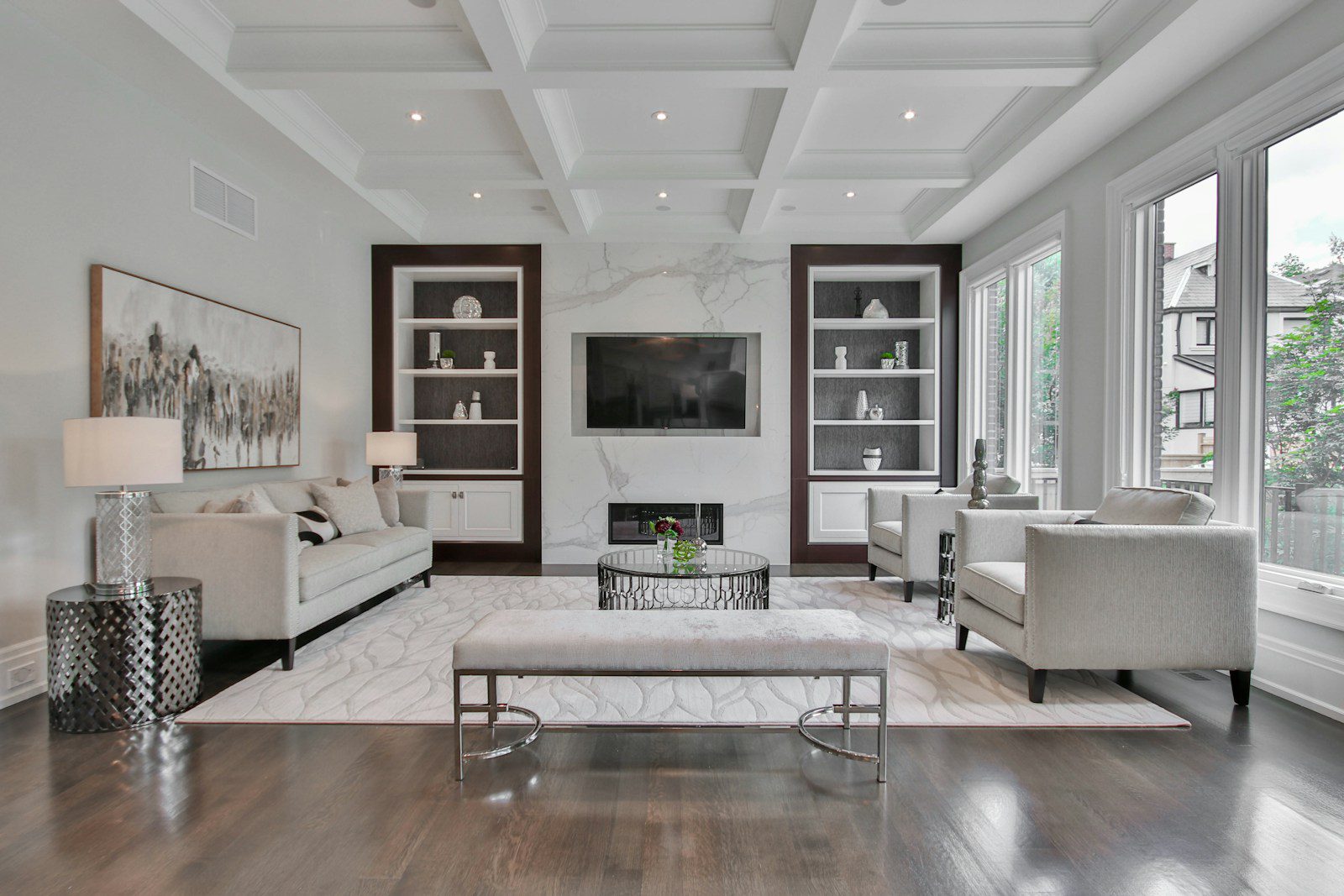
Photo by Lotus Design N Print on Unsplash
Selling your home can be one of the most stressful financial decisions you’ll ever make. You want top dollar, but you’re also trying to avoid sinking thousands into renovations or professional staging services. The good news? You don’t need an unlimited budget to make your home irresistible to buyers. With strategic planning and a few weekend projects, you can stage your home like a pro without breaking the bank.
Why Home Staging Actually Matters
Before we dive into the how-to, let’s talk numbers. According to the National Association of Realtors, staged homes sell 73% faster than non-staged homes. Even more compelling, staged homes typically sell for 5-15% more than their unstaged counterparts. On a $300,000 home, that’s an extra $15,000 to $45,000 in your pocket—far more than you’ll spend on budget-friendly staging.
The psychology is simple: buyers need to envision themselves living in your space. When your home is cluttered with personal items, dominated by bold color choices, or showing signs of neglect, it becomes harder for potential buyers to see past your lifestyle to imagine their own.
Start with a Ruthless Declutter
Your first staging task costs nothing but time and effort: decluttering. This is the foundation of every successful home staging, regardless of budget.
Begin by removing at least 50% of your belongings from every room. Yes, really. Pack away family photos, personal collections, excess furniture, and anything that makes spaces feel cramped. Buyers need to see square footage, not your stuff.
Focus especially on:
- Kitchen countertops (clear everything except maybe a coffee maker)
- Bathroom counters (leave only hand soap and a decorative towel)
- Closets (remove half your clothes to show ample storage)
- Bookshelves (remove 2/3 of items, style the rest)
Store these items in your garage, basement, or a temporary storage unit. Once you’ve decluttered, you’ve already completed the most important staging step. Many homeowners find that working with experienced residential movers during this phase helps them pack systematically, making both the staging process and eventual move much smoother.
Deep Clean Like Your Sale Depends On It (Because It Does)
After decluttering, deep clean every surface. This is another zero-cost staging strategy that delivers massive returns.
Pay special attention to:
- Grout lines in bathrooms and kitchens
- Inside cabinets and closets (buyers will look)
- Light fixtures and ceiling fans
- Baseboards and windowsills
- Carpets (rent a steam cleaner for under $50)
Don’t forget often-overlooked areas like the inside of your oven, refrigerator seals, and air vents. Cleanliness signals to buyers that the home has been well-maintained.
Neutralize Your Color Palette
Bright purple bedrooms or neon green accent walls might reflect your personality, but they’re staging deal-breakers. A gallon of quality neutral paint costs $30-50 and can transform a space in a weekend.
Stick to soft whites, warm grays, or gentle beiges. These colors make rooms feel larger, brighter, and appeal to the widest range of buyers. Focus your painting efforts on:
- Any room with bold or dark colors
- Scuffed or marked walls in high-traffic areas
- Dated-looking trim or doors
You don’t need to repaint your entire house—just the spaces that need it most.
Rearrange Furniture to Maximize Space
You probably don’t need to buy new furniture; you likely just need to rearrange (or remove) what you have. The goal is to create clear walking paths and showcase the room’s purpose.
Living rooms should have furniture pulled away from the walls, creating conversation areas. Remove extra pieces if the room feels crowded. In bedrooms, position the bed as the focal point and remove bulky dressers if space is tight.
If you have furniture that’s seen better days, consider temporarily removing it rather than replacing it. An empty corner is better than a worn-out piece that draws negative attention.
Tackle Low-Cost, High-Impact Fixes
Some inexpensive improvements deliver outsized returns:
Update Cabinet Hardware – Swapping outdated kitchen or bathroom cabinet pulls for modern ones costs $3-8 per handle and takes minutes to install. This small change can make your kitchen look updated without expensive renovations.
Replace Light Fixtures – Builder-grade light fixtures scream “basic.” Replacing them with stylish alternatives from home improvement stores (starting around $30-60) adds instant sophistication.
Upgrade Outlet Covers and Switch Plates – Yellowed or paint-splattered cover plates look dingy. New white ones cost about $1 each and take seconds to swap.
Install a New Front Door Lockset – A shiny new lockset ($30-50) makes your entry look maintained and secure.
Add Fresh Mulch – Nothing says curb appeal like freshly mulched flower beds ($3-5 per bag).
Create the Illusion of Space with Mirrors and Lighting
Mirrors reflect light and make rooms feel larger. Place a large mirror ($30-100 at discount stores) opposite a window to maximize natural light. In smaller bathrooms or entryways, mirrors can double the perceived space.
Lighting is equally crucial. Replace dim bulbs with brighter ones (keep them all the same color temperature for consistency). Open all curtains and blinds before showings to flood rooms with natural light.
Don’t Forget Curb Appeal
First impressions happen at the curb. Fortunately, curb appeal improvements are often the most budget-friendly:
- Mow the lawn and edge walkways
- Plant colorful annuals ($2-4 per plant)
- Pressure wash siding, walkways, and driveways (rent for about $40/day)
- Paint or stain the front door
- Add a new welcome mat ($20-40)
- Ensure house numbers are visible and attractive
These weekend projects can dramatically improve how buyers perceive your home before they even step inside.
The Bottom Line
Budget-friendly home staging isn’t about expensive renovations or designer furniture. It’s about presenting your home in its best possible light through decluttering, cleaning, neutralizing, and making smart, low-cost improvements.
By investing a few hundred dollars and several weekends of work, you can stage your home to sell faster and for more money. The return on investment for these efforts far exceeds almost any other pre-sale improvement you could make.
Start with the basics—declutter and deep clean—then tackle the improvements that make sense for your specific home and budget. Your future buyer (and your bank account) will thank you.











Leave a Reply
You must be logged in to post a comment.