

Home Recovery Strategies After Water Intrusion
Water in your home can turn small problems into big ones fast. The key is to act calmly, protect your health, and follow a plan you can stick to. A few smart moves in the first 48 hours set you up for a safer, quicker recovery.
This guide walks you step by step from re-entry to rebuild. You will learn how to assess hazards, dry spaces fast, prevent mold, and document every action for insurance. Keep the steps simple and repeatable so progress continues even on long days.
Photo by Piotr Łaskawski on Unsplash
Re-enter Safely And Understand Immediate Risks
Do not go inside until local officials say it is safe. Turn off the power at the main breaker if you can do so without standing in water. Watch for structural damage, sagging ceilings, gas odors, and wildlife that may have entered.
Wear protective gear. Sturdy boots, gloves, eye protection, and an N95 or better respirator help reduce exposure to contaminants. Open doors and windows to ventilate before you start any cleanup.
A national environmental guide explains how to decide when it is safe to return, what tools you will need, and what to wear. It emphasizes that re-entry is about health first and repairs second. Treat the first visit as an inspection, not a work session.
Document Everything For Insurance And Future Decisions
Start with photos and short videos of every room before you move items. Capture water lines on walls, damaged finishes, and any ruined appliances. Take close-ups of serial numbers and receipts if you have them.
Write a simple log. Note dates, humidity readings, and actions you take each day. Keep receipts for pumps, fans, dehumidifiers, and cleaning supplies in one envelope.
You can handle assessments on your own for minor issues. For complex losses, you can work with a professional water damage repair team, and then continue documenting their work and recommendations. Ask contractors to provide moisture maps and drying goals. Good records speed claims and guide smart repairs.
Stop The Source And Start Safe Pump-Out
Confirm the water source. Shut off supply valves, cap broken lines, and schedule a plumber if you cannot isolate the leak. If floodwater enters from outside, wait until levels recede so pumped water does not flow back in.
Pump out gradually if the water is deep. Rapid removal can stress walls and the foundation. Move from the lowest points to the higher areas and check for new cracks as levels drop.
Remove remaining standing water with wet vacs and squeegees. Push water toward floor drains where possible. Keep power cords out of wet areas and use GFCI-protected circuits.
Strip, Sort, and Discard What Cannot Be Saved
Time matters. Porous materials that stay wet can trap contaminants and fuel mold. Remove wet rugs, pad, insulation, and saturated drywall at least 12 inches above the water line.
Sort items into save, salvage, and discard. Non-porous objects like metal, glass, and many plastics clean well. Solid wood can sometimes be dried and refinished if swelling is limited.
Bag debris and move it outside the living space the same day. Keep a discard list with rough values for insurance. Photograph each pile before disposal.
Dry Fast With Airflow, Heat, And Dehumidification
Set a clear drying plan. Target under 60 percent relative humidity inside within 24 hours, then 40 to 50 percent until materials reach safe moisture levels. Use a hygrometer to track progress twice a day.
Create airflow paths. Position fans to move air across wet surfaces and out of the home. Lift baseboards and drill weep holes in drywall as advised to release trapped moisture.
Run dehumidifiers continuously. Empty tanks are often attached to drains so they can run unattended. Keep doors to unaffected rooms closed so dry air works where you need it most.
Clean, Disinfect, And Address Mold Early
Clean first, then disinfect. Dirt shields microbes, so wash with detergent and water before applying a disinfectant labeled for household use. Follow contact times on the label to ensure it works.
Treat surfaces that stayed wet the longest. Pay attention to lower walls, cabinets, and subfloors near plumbing. Replace HVAC filters and avoid running central systems until ducts are inspected.
Watch for mold. Stains, musty odors, or fuzzy growth signal a problem. Small areas can sometimes be handled with careful cleaning and drying, but widespread growth or health symptoms call for specialized help.
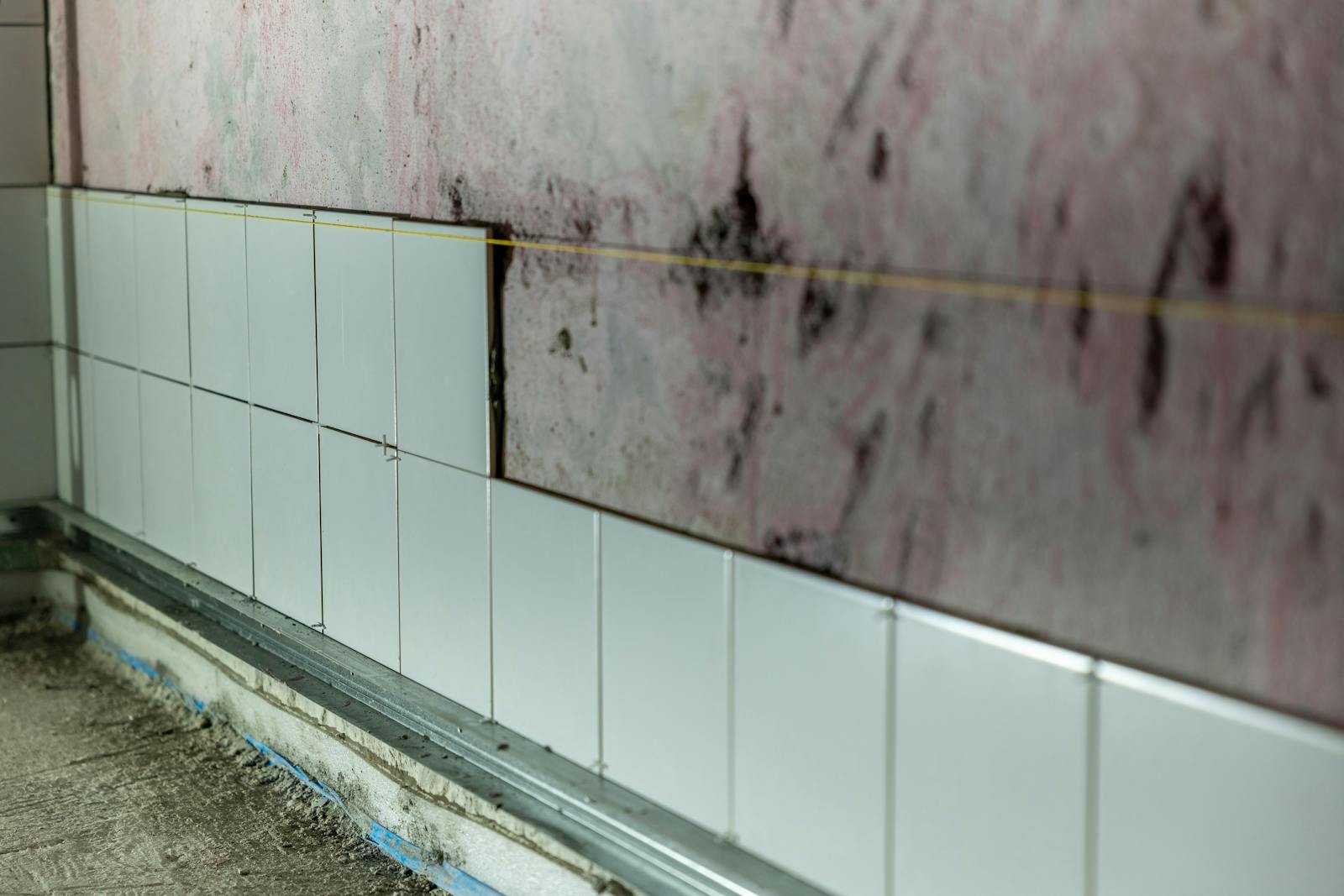
Photo by Sergei Starostin on Pexels
Recovery after water intrusion is a marathon, not a sprint. By re-entering safely, documenting thoroughly, drying fast, and rebuilding with better materials, you protect your health and your home’s value. Keep decisions grounded in simple measurements and steady progress.
Lean on experts when the damage is complex or the risk is high. With a clear plan, the right gear, and consistent follow-through, your home can return to normal and be stronger against the next storm.











Leave a Reply
You must be logged in to post a comment.