

What Everyone Should Know About Protecting Reproductive Wellness
Reproductive health is a central aspect of overall well-being, influencing physical, emotional, and social health across a lifetime. Taking proactive steps to maintain reproductive wellness helps prevent complications, improve fertility outcomes, and support a balanced hormonal system. Many people focus on diet or exercise, but reproductive care requires a broader approach, including regular medical check-ups, awareness of risks, and timely interventions when issues arise. Understanding the challenges and solutions available can empower individuals to make informed choices and prioritize their reproductive system with care.
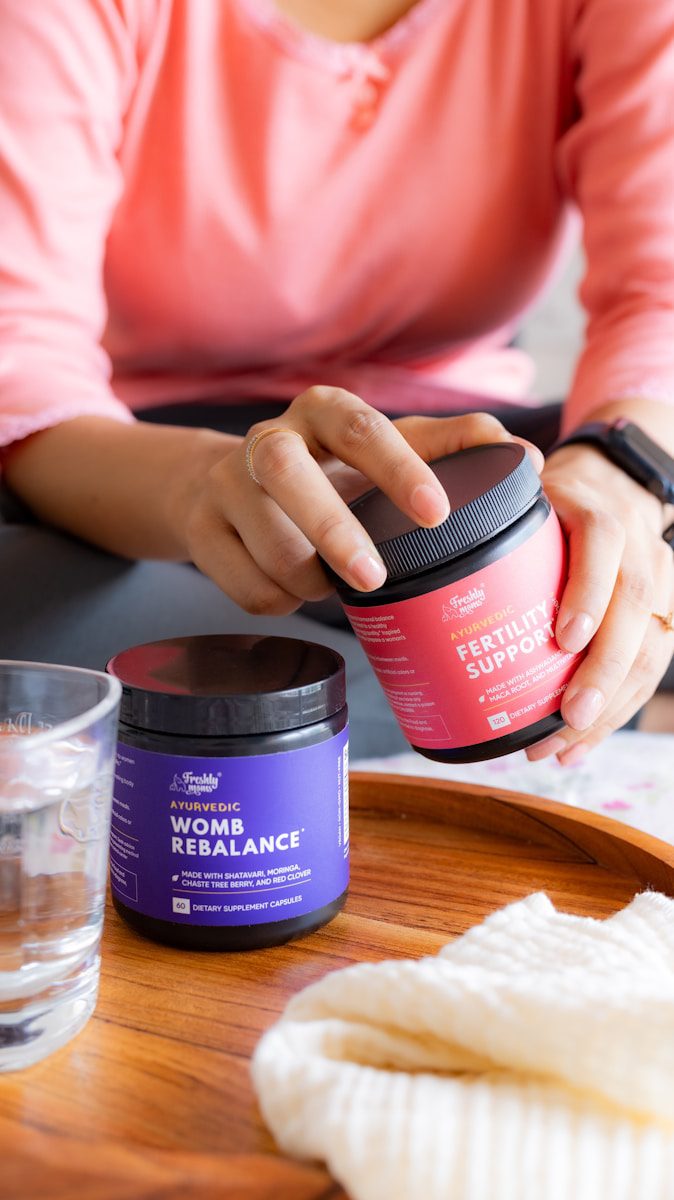
Photo by Shruti Mishra on Unsplash
Understanding Reproductive Health Basics
Reproductive health encompasses the proper functioning of the reproductive organs, menstrual health, fertility potential, and hormonal balance. Regular gynecological exams help identify early warning signs of conditions such as polycystic ovary syndrome, endometriosis, and infections. Lifestyle factors, including sleep patterns, stress management, and nutrition, influence hormone production and menstrual regularity. Avoiding toxins, reducing exposure to harmful chemicals, and maintaining a healthy body weight can positively impact reproductive function. Awareness of reproductive milestones, such as puberty, fertility windows, and menopause, allows individuals to anticipate changes and respond with appropriate care.
Addressing Common Reproductive Disorders
Many reproductive disorders arise silently, often without immediate symptoms. Conditions like polycystic ovary syndrome may affect fertility and hormone levels, causing irregular cycles, weight fluctuations, and mood changes. Endometriosis can lead to chronic pain and difficulty conceiving, while infections such as pelvic inflammatory disease may compromise reproductive organs if left untreated. Treatment options vary from medication to surgical procedures, depending on severity. In certain cases, surgery for uterine fibroids may be necessary to relieve symptoms and prevent further complications, allowing individuals to retain fertility potential while addressing pain and heavy bleeding that can interfere with daily life. Discussing risks, benefits, and recovery with a healthcare provider helps patients make informed decisions about surgical options and alternative therapies.
The Role of Fertility Planning

Photo by Alicia Petresc on Unsplash
Fertility planning involves understanding reproductive timing and creating strategies to support conception. Tracking menstrual cycles, monitoring ovulation, and recognizing fertility signs can improve the likelihood of pregnancy. Age is a significant factor, as egg quality and quantity decline over time, affecting fertility. Individuals facing difficulty conceiving may explore options like assisted reproductive technologies, including intrauterine insemination or in vitro fertilization. Lifestyle choices such as balanced nutrition, maintaining a healthy weight, and avoiding smoking or excessive alcohol use enhance reproductive potential. Discussing family planning goals with a professional ensures that medical advice is tailored to each individual’s circumstances and health history.
Hormonal Health and Its Impact
Hormones regulate nearly every aspect of reproductive function, from ovulation to menstruation and pregnancy readiness. Imbalances can manifest as irregular cycles, mood disturbances, acne, and weight changes. Common causes include stress, poor diet, thyroid dysfunction, and polycystic ovary syndrome. Testing hormone levels through blood work and other diagnostic measures allows healthcare providers to develop personalized treatment plans. Natural interventions such as stress reduction techniques, exercise, and dietary adjustments can support hormone balance. In some cases, hormonal therapy may be recommended to restore equilibrium and address symptoms, helping the body function optimally.
Preventing Reproductive Infections
Infections affecting reproductive organs can have long-term consequences if untreated. Sexually transmitted infections, urinary tract infections, and bacterial vaginosis can impair fertility and cause chronic discomfort. Practicing safe sex, maintaining hygiene, and seeking early treatment when symptoms appear reduces the risk of complications. Routine screenings, including Pap smears and STI testing, detect infections early, improving treatment outcomes. Vaccinations, such as those for HPV, provide additional protection against infections that can affect reproductive health. Understanding the signs of infection and seeking care promptly supports ongoing reproductive wellness.
Nutrition and Lifestyle Choices
What an individual consumes and how they live directly influence reproductive function. Nutrients such as folate, iron, vitamin D, and omega-3 fatty acids support hormone production, ovulation, and healthy menstrual cycles. A balanced diet, rich in whole foods, fruits, vegetables, and lean proteins, contributes to overall reproductive wellness. Exercise improves circulation and hormonal balance, but should be approached with moderation, as excessive activity may disrupt menstrual regularity. Stress management techniques, including mindfulness and adequate rest, promote reproductive and overall health. Avoiding harmful substances, maintaining a healthy weight, and developing sustainable habits contribute to long-term reproductive wellness and fertility support.
Maintaining reproductive wellness requires a multi-faceted approach that addresses medical care, lifestyle, and preventive strategies. Awareness of reproductive disorders, fertility planning, hormonal balance, infection prevention, and proper nutrition empowers individuals to take proactive steps toward safeguarding reproductive health. Timely interventions, including procedures such as surgery for uterine fibroids, can relieve symptoms and preserve fertility potential, highlighting the importance of attentive care. By prioritizing reproductive wellness and making informed choices, individuals can support a healthier reproductive system and improve quality of life at every stage.











Leave a Reply
You must be logged in to post a comment.