

Don’t Neglect Your Eyes: How to Take Care of Your Vision
Your eyes work hard from morning until night. A few steady habits can keep them comfortable and sharp. Use these simple steps to protect your sight now and lower the chances of problems later.

Photo by Towfiqu barbhuiya on Unsplash
Why Everyday Habits Matter
Small choices build up over time. The light in your room, your posture, and how you set your screens all shape daily comfort. Try to make eye-friendly moves your default, not a once-in-a-while fix.
Tiny tweaks can make a big difference. Adjusting font size, changing screen distance, and using tools like Block Blue Light can ease strain during long work or study sessions. Make small, repeatable changes that fit your routine.
Think about the environment as much as devices. Dry rooms, glare, and long focus on close tasks can all tire your eyes. A few planned breaks and better lighting often help more than new gear.
Blink More, Dry Less
Staring at screens can cut your blink rate, leaving your eyes dry and scratchy. Remind yourself to blink fully, not just quick half blinks. Place your monitor slightly below eye level to reduce the exposed eye surface.
Hydration matters for comfort. Sip water throughout the day to support a stable tear film. If dryness lingers, try preservative-free artificial tears for a gentle boost.
Build micro-habits that stick. Pair a soft blink with each paragraph break or app switch. These tiny cues add up without breaking your focus.
Be Kind To Contact Lenses
Good lens hygiene protects both comfort and sight. Wash and dry your hands before handling lenses, and use fresh disinfecting solution every time. Replace cases often and follow the wear schedule.
Water and contacts do not mix. Avoid showers, pools, and hot tubs while wearing lenses, and never rinse lenses with tap water. Keep a spare case and solution in your bag for travel.
Public health guidance is clear that clean handling and no-water rules lower infection risk. A leading health agency notes that keeping lenses away from all water and using proper solutions helps prevent painful problems.
Protect Your Sleep And Screen Light
Nighttime viewing can nudge your body clock in the wrong direction. Keep screens dim in the evening and shift displays toward warmer tones. If possible, set a simple cut-off time.
Your sleep quality shows up in your eyes the next day. Better rest supports tear stability and focusing ease. Build a short pre-bed routine that does not rely on bright screens.
Health writers have pointed out that limiting bright screens 2 to 3 hours before bed supports healthier sleep patterns. That simple window can pay off in clearer, calmer eyes the following morning.
Make Lighting Work For You
Glare makes eyes work harder than they need to. Place windows to the side of your screen, not behind or in front, and angle the monitor slightly to dodge reflections. If sunbeams cross your desk, use blinds or shades to soften midday spikes in brightness, and choose matte finishes for desks and screens to cut bounce.
Task lighting helps for close work. Aim a small lamp at the page or keyboard while keeping the room evenly lit so your pupils are not constantly resizing. Pick a warm-to-neutral bulb for evening focus, position the lamp below eye level, and avoid bare bulbs in your direct line of sight to prevent hotspots.
Match the screen to the space. In bright rooms, raise screen brightness and contrast until text looks crisp, then stop before it glares. In dim rooms, lower both so letters feel steady, not harsh, and consider darker app themes at night to reduce light scatter.
Quick Habits That Add Up
- Keep screens an arm’s length away and set text large enough to read without leaning in.
- Follow the 20-20-20 rhythm: every 20 minutes, look 20 feet away for 20 seconds.
- Take posture breaks to relax your shoulders and jaw.
- Clean glasses and screens so dust does not scatter light.
- Use a humidifier in dry rooms to support your tear film.
- Store printed pages beside the monitor to cut constant refocusing.
Know When To Get Help
Do not ignore burning, blurring, or persistent aches. An eye care professional can check for dry eye, allergy, or strain. Quick tests can guide you toward simple fixes.
Ask about drops, lens options, or workstation tweaks. Even small changes to your setup can reduce symptoms. Keep a list of what helps so you can repeat it.
If you wear contacts and struggle with comfort, review your cleaning steps with your provider. Simple shifts in solution type or replacement schedule can make daily wear smoother.
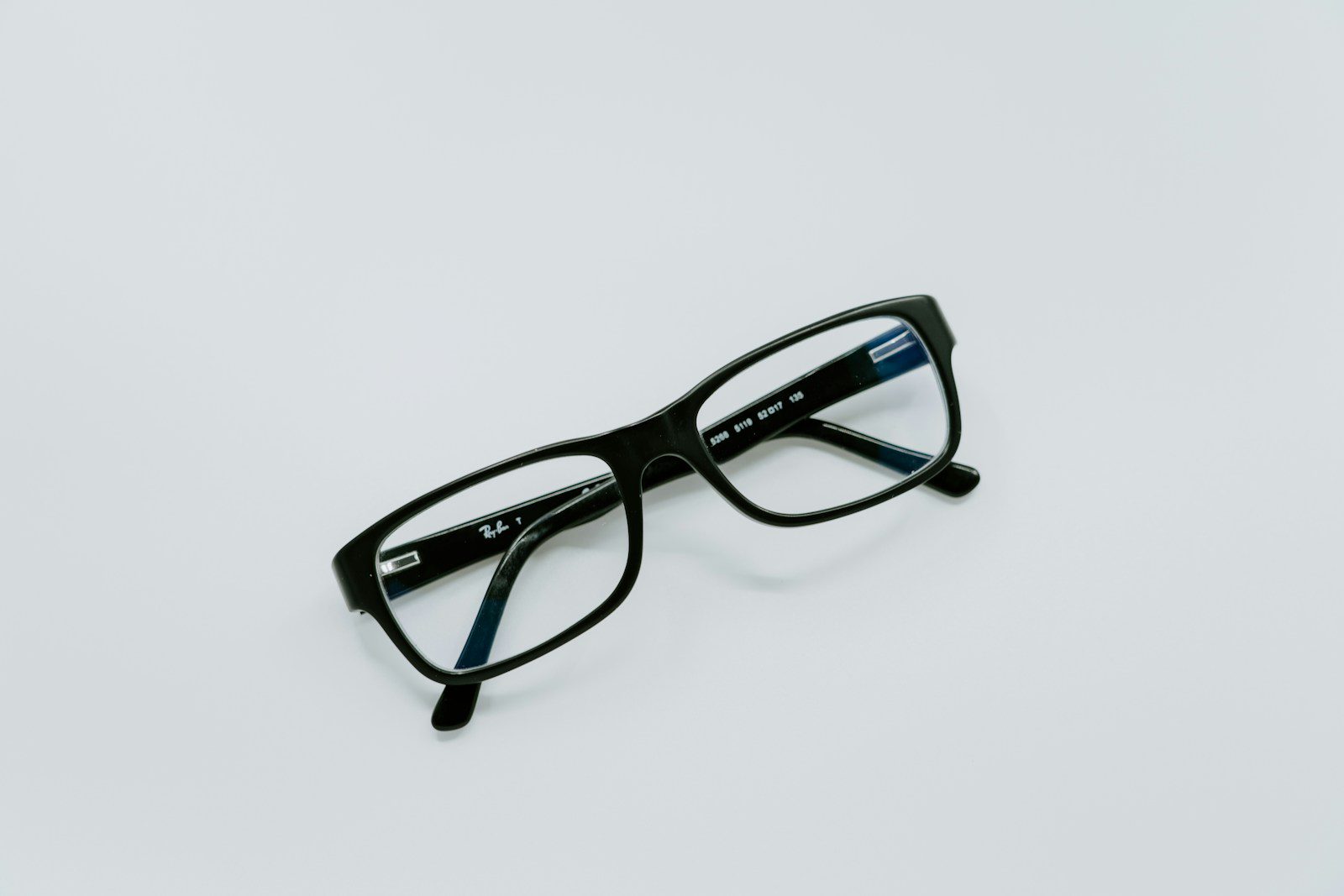
Photo by Claudio Schwarz on Unsplash
Your vision carries you through work, play, and everything in between. Protect it with small daily choices, smart light at night, and clean lens habits. A few tweaks today can keep your eyes feeling clear and calm tomorrow.











Leave a Reply
You must be logged in to post a comment.