

Driving An 18-Wheeler In Urban Traffic: What To Remember
Driving a massive 18-wheeler through a bustling city is a completely different experience from cruising on the open highway. The tight corners, constant stop-and-go traffic, and unpredictable pedestrians require a high level of focus and patience. Every move you make must be calculated well in advance to ensure the safety of everyone sharing the road.
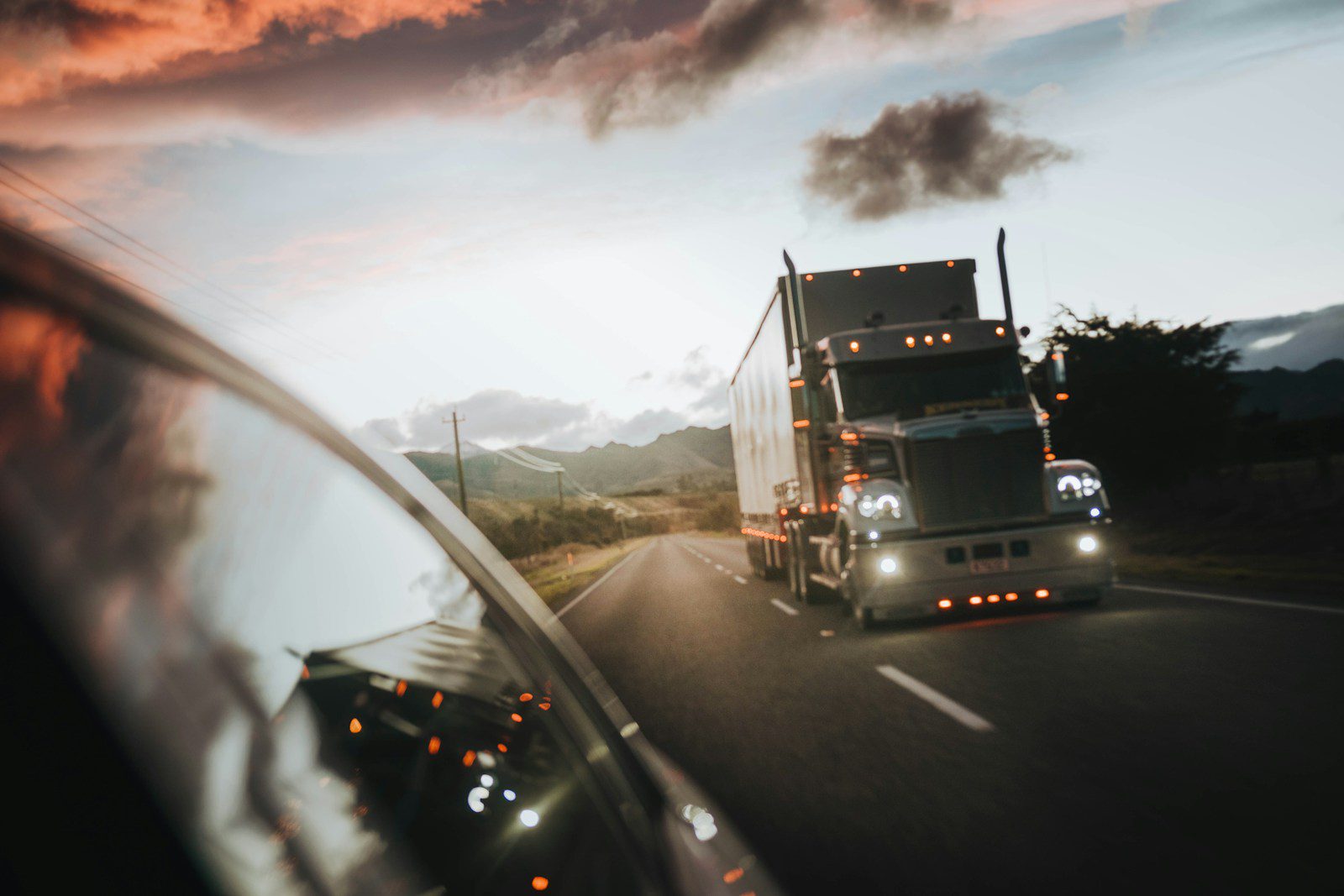
Photo by Josiah Farrow on Unsplash
Master the Art of Wide Turns
One of the most difficult parts of urban driving is navigating narrow streets that were not designed for large commercial vehicles. You have to be extremely mindful of your trailer’s path to avoid hitting curbs, signs, or parked cars. It is common for drivers to need extra space to swing wide, which can be confusing for smaller vehicles nearby.
If a collision occurs due to a tight squeeze, talking to a lawyer who specializes in 18-wheeler accidents can help clarify who was at fault. Specialized legal experts understand the specific regulations and space requirements that truck drivers must manage in these dense environments. Keeping a close eye on your mirrors during every turn is the only way to ensure your trailer is clearing all obstacles safely.
Manage Your Following Distance
Stopping a fully loaded truck takes much more time and distance than stopping a standard passenger car. In a city setting, traffic lights can change quickly, and cars often cut in front of trucks without realizing the danger. Maintaining a generous gap between your bumper and the vehicle ahead is your best defense against sudden stops.
A recent safety report highlighted that large trucks often need the length of 2 football fields to come to a complete stop safely. This distance becomes even harder to maintain when delivery vans or commuters are constantly weaving in and out of your lane. By staying back, you give yourself the reaction time needed to handle an emergency without causing a pile-up.
Eliminate Blind Spot Risks
Every truck has significant blind spots, often called “No Zones,” where smaller vehicles completely disappear from view. These areas are located directly behind the trailer, in front of the cab, and along both sides of the vehicle. In urban areas, bicyclists and pedestrians frequently enter these zones, making the risk of a tragic accident much higher.
- Always use your turn signals early to warn others of your intentions.
- Check your side mirrors every few seconds to track vehicles moving around you.
- Avoid making sudden lane changes in heavy city traffic.
- Utilize onboard camera systems or sensors if your truck is equipped with them.
Recent data suggests that human error plays a role in nearly 95% of all road accidents, making constant vigilance a requirement for professionals. Modern technology is trying to help, with some regions mandating new safety measures like reversing detection and emergency stop signals starting in 2024.
Navigate with Professional Tools
Relying on a standard phone GPS can lead to disaster if it directs you under a bridge with low clearance or onto a weight-restricted road. Urban centers are full of these traps, and getting stuck can cause massive traffic delays or structural damage. Professional-grade navigation systems are essential for planning a route that is actually legal for a vehicle of your size.
Using dedicated apps like TruckMap can help you find fuel stations and weigh scales that accommodate 18-wheelers. These tools are designed to keep you on truck-approved routes, reducing the stress of navigating unfamiliar downtown grids. Some carriers are even looking toward automatic emergency braking systems, which may become a standard requirement in the near future to prevent forward collisions.
Handle Increasing Congestion
Cities are becoming more crowded every year, which complicates the logistics of making timely deliveries. Aging infrastructure and rising traffic levels mean that even short trips across town can take hours. This congestion doesn’t just waste time; it increases fuel consumption and puts extra wear on your brakes and transmission.
Industry experts note that rising congestion leads to higher operational costs and significant challenges for last-mile logistics. As the demand for quick deliveries increases, the pressure on drivers to perform in these cramped spaces grows. Managing this stress involves planning your arrivals during off-peak hours whenever possible to avoid the worst of the rush hour gridlock.
Use Technology to Stay Focused
Distractions are everywhere in a city, from bright billboards to the constant pinging of a dispatch device. However, taking your eyes off the road for even a few seconds can have devastating consequences when you are behind the wheel of a heavy rig. Staying focused on the task at hand is the most important job any commercial driver has.
Research shows that drivers who text while operating a commercial vehicle are over 23 times more likely to be involved in a safety event. It is vital to set your navigation and communication devices before you put the truck in gear. By minimizing internal distractions, you can dedicate all your attention to the complex environment outside your windshield.
Photo by ZHENYU LUO on Unsplash
While the challenges of urban driving are numerous, they can be managed with the right mindset and tools. Professional drivers who prioritize safety over speed help keep the city moving while protecting themselves and others. Remember to take your time, trust your mirrors, and stay alert to the ever-changing flow of the street.










Leave a Reply
You must be logged in to post a comment.