

Dogs, Owners, and the Community: How to Stay Safe in Public Spaces
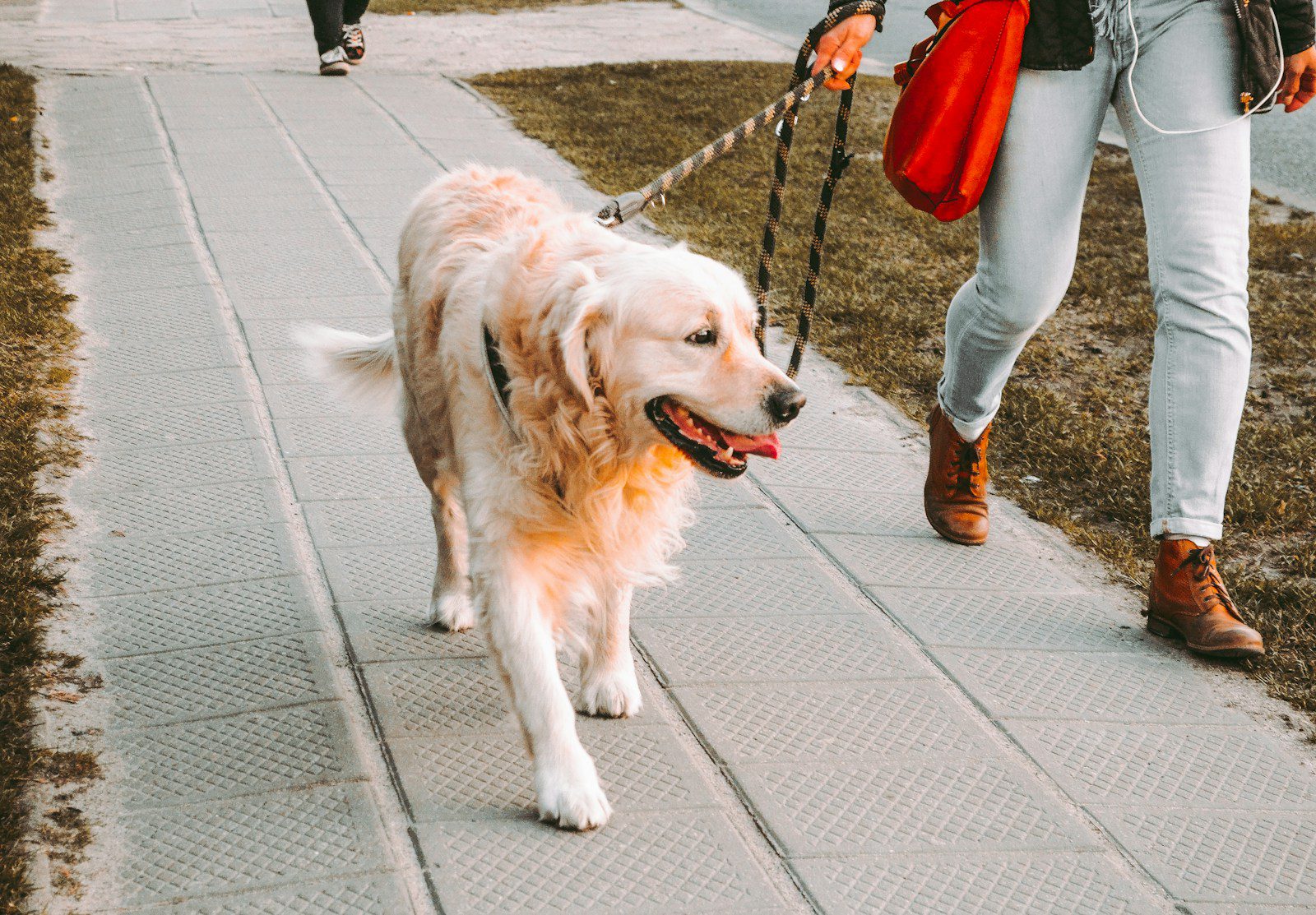
Photo by Andriyko Podilnyk on Unsplash
When a dog bites someone, the headlines usually mention its breed. However, behavioral experts say the primary risk factor for aggressive incidents is poor socialization. And while the dog’s owner is primarily responsible for the animal’s behavior, people (especially children) often trigger defensive bites with moves that seem threatening.
The consequences can be dire: according to the American Veterinary Medical Association, dog bites send almost 900,000 Americans to the ER every year. These numbers don’t cover bites that were not serious enough for an ER visit, nor other injuries caused by a completed or attempted bite. For example, people falling off a bike and hurting themselves after being chased by a dog.
Also, some injuries are not immediately visible. Signs of nerve injuries caused by dog bites can take weeks to manifest, with symptoms like numbness or chronic pain.
Dog Socialization 101
First, it’s best to hit the critical socialization window: when puppies are between three and fourteen weeks old. Controlled exposure to situations, environments, people, and animals during this time is the ideal scenario.
But what if you miss this period, adopt an older dog? It’s more difficult, but still possible to get a dog used to unfamiliar situations and people. However, this requires more experience, patience, and a lot more caution.
We share a checklist for socializing puppies and young dogs, with some golden rules:
- Structured puppy classes: Classes led by certified trainers help puppies and young dogs learn how to interact with one another. Look for trainers who focus on positive reinforcement.
- Gradual exposure: Avoid overwhelming the dog with stimuli. Rather, start with quiet environments during off-peak hours and let your dog observe from a comfortable distance. As they become used to different situations and show calm behavior, slowly increase the distractions and noise.
- Systematic introduction to stimuli: There are downloadable lists of situations dogs should learn about, such as different surfaces, people with different appearances, and different sounds (this can help with fireworks in the future). Be systematic about the exposure.
- Rewarding calm behavior: Don’t be stingy with treats during these tasks. Get them something they really like and build positive associations as soon as they exhibit calm behavior.
- Short, positive sessions: Stop before your dog gets overwhelmed. If you notice it’s stressed, remove it from the situation calmly and quickly.
- Look for professional help: If you’re struggling to socialize your dog, or if it has experienced trauma, look for a trainer who can help.
Warning Signs in Dog Body Language
A lot of bites happen because people miss the cues that the animal is uncomfortable, scared, or guarding resources (resources include their people).
These behaviors include whale eyes (when you see the whites of their eyes), excessive barking, stiff-legged slow approaches to other animals, and lunging towards fogs or people.
Other signs of an animal that is not necessarily aggressive, but lacks socialization or has trauma, include the inability to settle down, pulling towards people, or panicking at certain triggers or sounds.
Finally, a common reason behind attacks is resource guarding. If a dog growls when you’re near its food bowl, blocks access to furniture, or stiffens or curls its lip when another dog approaches its toy, there is a resource guarding issue that you need to address. This can be even worse in a distracting or stressful public environment when there’s food or water nearby.
Human Behavior That Triggers Dog Bites
Many incidents result from people, mostly children, triggering a defensive response in a dog that would otherwise remain calm.
According to the World Journal of Pediatric Surgery, children under the age of nine suffer more than 80% of injuries in the pediatric population, with children under the age of six suffering more risks for severe injuries and bites to the head, neck, and face.
This is why it’s important to learn how to interact with dogs, for adults, but especially for children.
Here’s what not to do.
Do not reach over a dog’s head. The dog cannot see it and may interpret the movement as a threat. It’s a common greeting, but it can scare a dog into attacking.
Monitor the dog’s body language. If you notice yawning, licking its lips, turning its head away, or showing the whites of its eyes, it’s telling you to give it space.
Avoid hugging and face-to-face contact. Hugging is uncomfortable or threatening to most dogs. Allowing a child to hug a dog or press its face to the dog’s face is a common mistake that parents make. It’s better to pet a dog on its back or side.
Don’t disturb a dog that’s sleeping, eating, or confined. Dogs that are doing important activities or are unable to retreat can react defensively. If a dog is eating, sleeping, caring for puppies, confined, or cornered, do not approach it.
Teach children not to run, scream, or make sudden movements around unfamiliar dogs. These citations can trigger prey drive or frighten the dog. Teach the child to stand still with its arms at its sides if an unfamiliar dog approaches (“Be a tree”). It’s much safer than running or screaming.
Always ask to pet a dog. In public spaces, never pet a dog without the owner’s permission, and watch the dog’s behavior. A good owner knows their animal’s limitations, and they will decline for good reason.
Teach children to be gentle with animals. This means no pulling tails, ears, or fur, no poking, and no grabbing.










Leave a Reply
You must be logged in to post a comment.