

Design Tips for Building the Ideal Environment for Crops
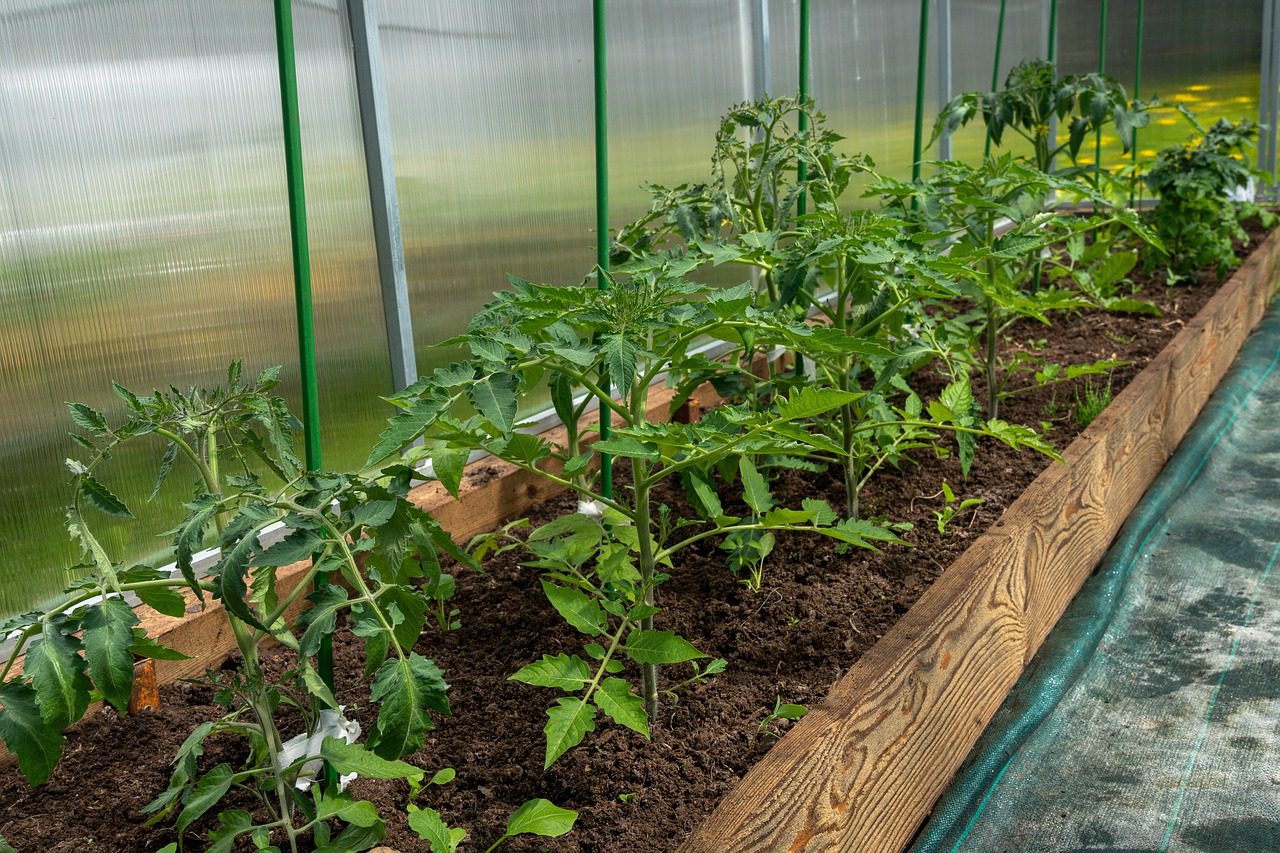
Photo by Alexei_other on Pixabay
Creating a productive environment for crops depends on more than choosing the right plants. The design of the space plays a key role in how well crops grow and how much yield they produce. Thoughtful planning helps balance light, temperature, water, and airflow, ensuring that crops remain healthy through each growth stage.
Maximizing Natural Light
Light is the foundation of plant growth, and positioning growing spaces to capture sunlight effectively is crucial. South-facing areas usually provide the most consistent exposure throughout the day. Farmers and gardeners who plan layouts with sunlight in mind often see stronger plant development. Using reflective surfaces or transparent materials also helps extend light distribution to shaded corners. By adjusting spacing and placement, growers can ensure that every plant has enough access to light for steady growth.
Rotating crops between areas with different light exposure can also optimize the usage of available space. Adjusting the angle of planting beds or trellises helps direct light more effectively onto the leaves. By monitoring seasonal shifts, growers can refine their layouts and continue maximizing crop performance over time.
Controlling Temperature
Maintaining stable temperatures prevents stress that can slow crop growth. Insulation materials, vents, and shading options provide flexibility for managing changes throughout the day. Some growers choose to construct the perfect greenhouse with features that make regulation easier and more precise. Systems that allow for quick cooling during hot afternoons and insulation during cool nights help protect crops from sudden fluctuations. Balancing these elements supports growth across multiple seasons and reduces losses caused by extreme conditions.
Incorporating automated systems provides an added layer of consistency in regulating heat levels. Simple thermostats connected to fans or heating units allow precise adjustments with minimal manual effort. Using shading cloths of varying densities also helps tailor the amount of heat that crops receive, especially during intense summer periods.
Managing Water Effectively
Water delivery systems influence how well plants absorb nutrients and maintain resilience. Drip irrigation is a popular choice because it reduces waste and ensures consistent soil moisture. Raised beds and properly graded surfaces help manage excess runoff, protecting plants from root damage. At the same time, monitoring soil moisture with simple tools allows growers to prevent overwatering. The right approach saves resources and keeps crops in optimal condition throughout the growing period.
Collecting rainwater in storage barrels or tanks offers a sustainable way to support irrigation needs. Efficient water recycling not only reduces dependence on external supply but also lowers operational costs. Pairing this with mulching techniques helps retain soil moisture and reduce evaporation losses, providing steady hydration throughout the season.
Enhancing Air Circulation
Airflow helps regulate both temperature and humidity levels while reducing the risk of disease. Fans, vents, or strategically placed openings keep fresh air moving without disrupting delicate plants. Overcrowding should be avoided, as it restricts circulation and creates pockets of stagnant air. By balancing airflow and spacing, growers can promote stronger stems, healthier leaves, and more resilient crops. Good air circulation works as a silent support system for maintaining overall plant vitality.
Installing adjustable louvers gives growers the ability to fine-tune airflow depending on weather conditions. Mechanical systems may require investment, but they significantly reduce the risks of mold and fungal infections. Monitoring humidity alongside airflow ensures that conditions remain balanced for sensitive crops prone to disease.
Choosing Soil and Growth Media
Healthy soil or the right alternative growth medium is central to plant productivity. Well-aerated soil rich in organic matter ensures that roots receive adequate oxygen and nutrients. Where soil quality is poor, soilless mediums like coco coir or perlite can provide consistent results. Testing soil regularly gives insights into nutrient levels and pH balance, both of which impact how effectively crops absorb resources. Tailoring the growth medium to the crop type makes it easier to achieve reliable harvests.
Incorporating compost into the soil adds long-term fertility while improving its structure. Crop rotation further enhances nutrient balance by preventing depletion of specific minerals. Tailoring fertilizers and amendments to meet the unique requirements of each plant type ensures consistent productivity across the growing area.
Designing for Efficiency
Efficient layouts save time, labor, and resources while keeping crops healthy. Pathways should allow easy access for planting, maintenance, and harvesting. Grouping crops with similar needs simplifies watering and monitoring. Storage areas for tools and supplies should be positioned close to growing areas, reducing wasted movement. By combining convenience with functionality, growers can create environments that are not only productive but also manageable over the long term.
Modular designs allow spaces to adapt as growing demands change over time. Integrating raised platforms, movable benches, or vertical growing structures makes it easier to scale production. Layout efficiency not only saves time but also reduces strain on workers, helping maintain consistent operations year-round.
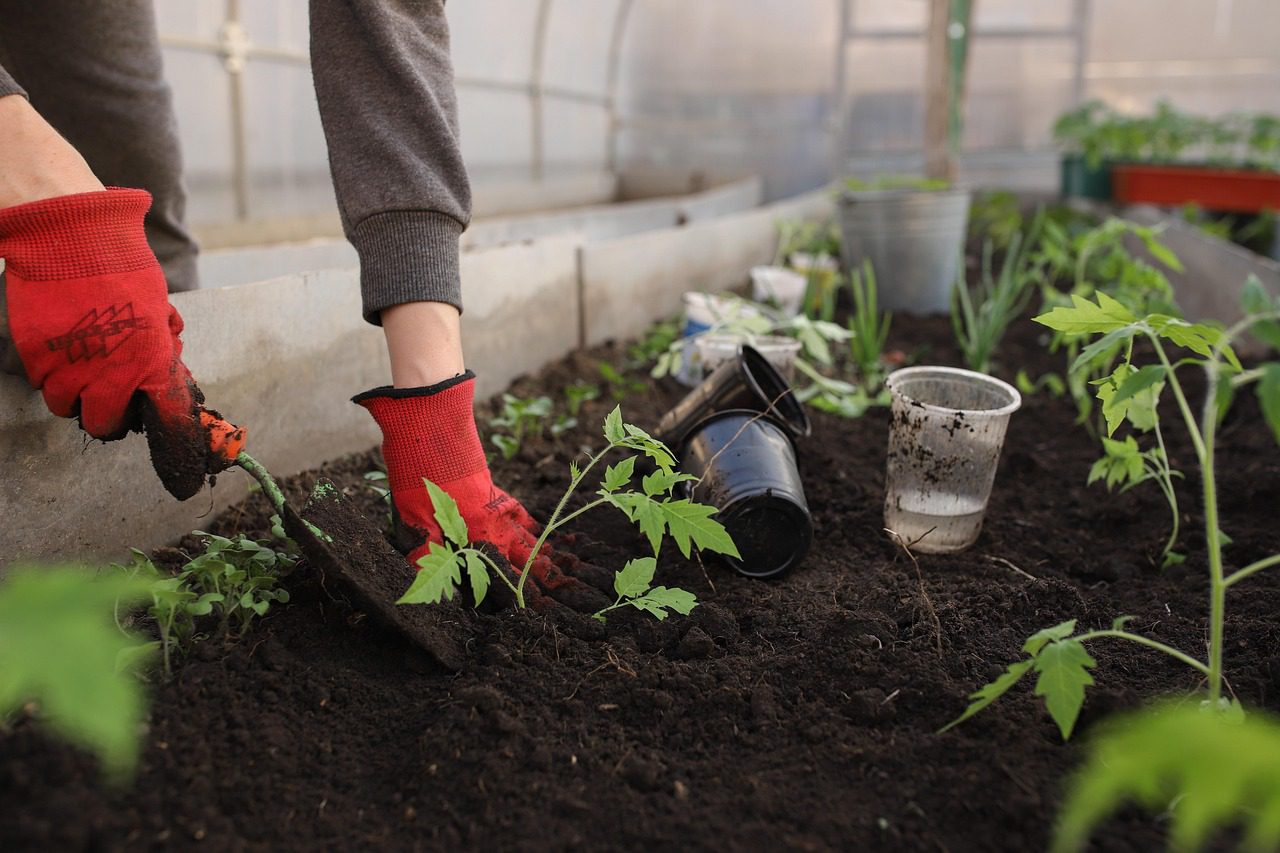
Photo by Katya_Ershova on Pixabay
Designing crop environments is about bringing multiple factors into harmony. From light and temperature to water and airflow, each element has a direct effect on growth. When these factors align with soil quality and efficient layouts, crops thrive and yields improve. Thoughtful design ensures that the environment supports plants consistently, season after season.











Leave a Reply
You must be logged in to post a comment.